

 Vista previa
 Compartir
 Compartir
 Ver detalles
 Guía
Guía

 Descargar
 Ver artículos similares
 Radiografía
 Presentación de diapositivas
 Estadísticas
Kitchen Interior
 Oil
Oil- WallArt
- Baroque Still Life
 1566
1566- Renaissance
 109.0 x 139.0 cm
 Museo del Louvre
 Leer más
Reproducción al óleo hecha a mano
Óleo sobre lienzo pintado a mano en el tamaño y marco de su elección, realizado por encargo por nuestros artistas. ( Cambiar a formato impreso Ver versión en imagen digital)




P118B €10

P118H €10

P118W €10

P438Z €10

P508JH €12

P508YH €12

P805H €10

P805Z €10

P919BZ €10

P919G €10

P919XJ €10

P959ZH €10

P968JZ €12

W106C €8

W218G €10

W218JH €8

W218Y €10

W307PJ €10

W316G €10

W316PJ €8

W316Y €10

W398PJ €8

W4111J €10

W500HY €15

W500JH €15

W692G €12

W849H €8

W940BG €15

W953PJ €8




Elija entre nuestros tamaños predefinidos que respetan las proporciones originales de la obra.

Puede ingresar sus propias dimensiones para adaptarse a un marco o espacio específico. Si el tamaño seleccionado no coincide con las proporciones de la imagen original, recortaremos la obra o extenderemos la pintura con elementos adicionales pintados a mano. Se le enviará una maqueta digital para su aprobación antes de comenzar la producción.
Tenga en cuenta que la vista previa en pantalla no refleja el recorte o la extensión reales. Solo la maqueta mostrará con precisión la composición final.
Si bien existen tamaños personalizados, recomendamos seleccionar una dimensión de la lista predefinida para preservar las proporciones originales.
Tras realizar el pedido, el equipo de OriginalUniqueArt.com enviará un correo electrónico al cliente para solicitar instrucciones y proporcionarle una vista previa del boceto.
Envío a todo el mundo () en 3-4 semanas en lugar de las 5 semanas estándar. (13 octubre). Sin comprometer la calidad.

Envío exprés gratuito a todo el mundo

Lienzo de lino de alta calidad

Seguro de envío completo

Garantía de reembolso de impuestos aduaneros

Garantía de fidelidad cromática exacta

Política de devolución de 100 días (solo por defectos)

Garantía de devolución del 100% del dinero

Oferta por volumen
 La opción de vidrio solo está disponible en tamaños inferiores a 110 cm.

Kitchen Interior
Técnica de reproducción
Tamaño de la reproducción
-


Precio total
€ 259
Joachim Beuckelaer’s Kitchen Interior: A Window into Renaissance Still Life
Joachim Beuckelaer stands as a singular figure in the burgeoning landscape of Flemish painting during the mid-16th century, marking a pivotal moment in artistic evolution. Born around 1533 in Antwerp—a city brimming with creativity and fueled by the patronage of wealthy merchants—Beuckelaer didn’t merely depict scenes from daily life; he fundamentally reimagined how artists approached representation, establishing himself as one of the foremost practitioners of market and kitchen interiors.
Unlike many of his contemporaries who focused on grand religious narratives or idealized portraits, Beuckelaer turned his gaze inward—towards the tangible world—capturing the meticulous detail of a domestic space populated with an astonishing array of foodstuffs and household objects. This stylistic choice wasn’t arbitrary; it signaled a deliberate departure from established conventions, aligning closely with emerging trends in Italy and Spain where artists were experimenting with new approaches to portraying inanimate subjects.
A Symphony of Detail: Technique and Composition
Beuckelaer's mastery lay not only in his subject matter but also in his unparalleled technical skill. Employing a meticulous glazing technique—a layering process that builds up translucent color over opaque undercoats—he achieved an astonishing level of realism, capturing the subtle nuances of light and texture with breathtaking accuracy. Observe how he renders the glistening surfaces of fruit bowls, the velvety sheen of fabrics draped across chairs, and the delicate folds of drapery; each element contributes to a cohesive visual experience.
- Glazing Technique: Beuckelaer’s signature method ensured luminous colors and remarkable depth.
- Perspective: Careful attention to linear perspective creates an illusion of space within the confined confines of the kitchen.
- Color Palette: Rich hues—primarily reds, yellows, and browns—evoke warmth and abundance, mirroring the visual richness of the depicted scene.
More Than Just Foodstuffs: Symbolism and Religious Undertones
However, Beuckelaer’s paintings transcend mere culinary representation. As evidenced by extensive research into his work – particularly references to scholarly articles like Kitchen Interior - BEUCKELAER, Joachim – scholars have noted that Beuckelaer deliberately incorporated religious symbolism into his compositions. The abundance of food—particularly fruits and grains—served as a potent metaphor for fertility and divine provision, reflecting the prevailing theological concerns of the era.
Furthermore, the presence of birds perched upon surfaces and shoulders carries symbolic significance, representing purity and spiritual aspiration. These subtle visual cues elevate Beuckelaer’s paintings beyond the everyday realm, inviting contemplation on themes of faith and transcendence. As noted in Joachim Beuckelaer, his work was influential on subsequent artists like Mor.
Emotional Resonance: Capturing the Essence of Domestic Life
Ultimately, “Interior of a Kitchen” succeeds in conveying an arresting emotional resonance. The painting captures not just the visual splendor of a well-appointed home but also the palpable atmosphere of activity and domestic comfort. It’s a scene brimming with life—a testament to Beuckelaer's ability to transform ordinary subjects into profound artistic statements.
A reproduction of this masterpiece offers an exceptional opportunity to bring a touch of Renaissance artistry into any interior space, celebrating the beauty of observation and the enduring power of visual storytelling. Explore its captivating detail at Interior of a Kitchen.
Preguntas y respuestas
¿Cuál es la atmósfera general de "Kitchen Interior" de Joaquim Beuckelaer?
El ambiente general de "Kitchen Interior" de Joaquim Beuckelaer es Nostalgic. Esta atmósfera describe la esencia general de la obra.
What other names is Joaquim Beuckelaer known by?
Joaquim Beuckelaer appears under the alternate names Joachim Bueckelaer, Ioachimus Bueckelaer, Joachim, Joachim Beuckeleer.
¿De dónde vienen los visitantes de "Kitchen Interior" de Joaquim Beuckelaer?
Las estadísticas sobre "Kitchen Interior" de Joaquim Beuckelaer se encuentran en la página de Estadísticas de la obra: visitas mensuales de la obra, visitas a las obras del artista y desgloses por país e idioma de los visitantes recientes.
¿Los colores de "Kitchen Interior" se ven intensos o suaves?
La intensidad cromática de "Kitchen Interior" es Balanced. La intensidad describe la fuerza con la que se perciben los colores.
¿Se encuentra "Kitchen Interior" en el país de su creador?
No; la obra se encuentra en el extranjero. Joaquim Beuckelaer nació en Bélgica, y el original de "Kitchen Interior" se encuentra en un museo de Francia.
¿Qué tan fuerte es el contraste en "Kitchen Interior" de Joaquim Beuckelaer?
El contraste entre luces y sombras de "Kitchen Interior" se registra como Bold. El contraste describe la intensidad con la que difieren las zonas claras y oscuras.
¿Quién creó "Kitchen Interior" y en qué año?
Joaquim Beuckelaer realizó "Kitchen Interior" en 1566.
¿Cuál es la fecha de creación de "Kitchen Interior" de Joaquim Beuckelaer?
"Kitchen Interior" de Joaquim Beuckelaer fue creada en 1566.
Biografía del artista
Joachim Beuckelaer: Una Vida en la Pintura Flamenca
- Nacido: Amberes, Bélgica (c. 1533)
- Fallecido: c. 1573
Joachim Beuckelaer fue un destacado pintor flamenco especializado en escenas de mercado y cocina, reconocido por sus detalladas representaciones de alimentos, utensilios domésticos y la integración de narrativas bíblicas dentro de la vida cotidiana. Su obra influyó significativamente en el desarrollo del arte bodegón no solo en Europa del Norte sino también en Italia.
Vida Temprana y Formación
Nacido en una familia de pintores, el padre de Beuckelaer, Mattheus Beuckeleer, estaba registrado como maestro en el Gremio de San Lucas de Amberes. Esta conexión familiar le proporcionó una temprana exposición al mundo del arte. Probablemente recibió su formación inicial de su padre y tío, Pieter Aertsen, un celebrado pintor conocido por ser pionero en escenas de mercado y cocina. Su hermano, Huybrecht Beuckelaer, también siguió sus pasos como pintor.
Joachim Beuckelaer se convirtió en maestro independiente dentro del Gremio de San Lucas de Amberes en 1560, marcando su entrada formal en la comunidad artística. A lo largo de su carrera, permaneció activo en Amberes, construyendo y refinando constantemente los temas establecidos por Aertsen.
Características Clave de Su Obra
- Escenas de Mercado: Las escenas de mercado de Beuckelaer se caracterizaban por su meticuloso detalle e a menudo incorporaban episodios bíblicos en el fondo. Por ejemplo, su serie "Los Cuatro Elementos" representa un bullicioso mercado de pescado con doce variedades de peces que representan a los doce discípulos de Jesús, mientras que un arco revela a Cristo caminando sobre el Mar de Galilea.
- Escenas de Cocina: Similar a Aertsen, las escenas de cocina de Beuckelaer mostraban abundantes ingredientes y entornos domésticos. Su "Escena de Cocina con Cristo en Emmaús" combina de forma única una lujosa preparación de alimentos con la historia bíblica de la aparición de Cristo a sus discípulos.
- Elementos Bodegón: Si bien es principalmente conocido por escenas de mercado y cocina, Beuckelaer también produjo bodegones que presentaban objetos cotidianos y alimentos, demostrando su dominio del detalle y el realismo. Su "Bodegón de una Cadena" (1563) se considera uno de los ejemplos fechados más tempranos de este tema.
Influencia y Legado
Las innovaciones artísticas de Beuckelaer tuvieron un impacto duradero en generaciones posteriores de pintores. Influyó significativamente a artistas como Frans Snyders, que desarrolló aún más el género de los bodegones elaborados, y Vincenzo Campi en Italia. La serie "Los Cuatro Elementos" es un testimonio de su habilidad para combinar sin problemas escenas cotidianas con simbolismo religioso, contribuyendo significativamente a la evolución tanto de la pintura de escenas de mercado/cocina como del floreciente campo del arte bodegón.
Significado Histórico
Joachim Beuckelaer jugó un papel crucial en la transición del arte flamenco de temas principalmente religiosos hacia sujetos más seculares. Sus detalladas representaciones de la vida cotidiana - mercados, cocinas y bodegones - reflejaban un creciente interés por el realismo y la observación dentro de la comunidad artística. Al integrar narrativas bíblicas en estas escenas, creó obras que eran visualmente cautivadoras y ricas en significado, consolidando su lugar como una figura clave en el arte flamenco del siglo XVI.

Joaquim Beuckelaer
1533 - 1573 , Bélgica
Datos clave
- Artistas Influenciados:
- Frans Snyders
- Vincenzo Campi
- Artistas Que Influyeron: ['Pieter Aertsen']
- Fecha De Fallecimiento: c. 1573
- Fecha De Nacimiento: c. 1533
- Lugar De Nacimiento: Amberes, Bélgica
- Movimiento Artístico: Renacimiento
- Nacionalidad: Flamenco
- Nombre Completo: Joachim Beuckelaer
- Obras Notables:
- Mercado de pescado
- Los cuatro elementos: Agua
- Cristo en Emmaús
- Carcasa de cerdo
Artículos relacionados
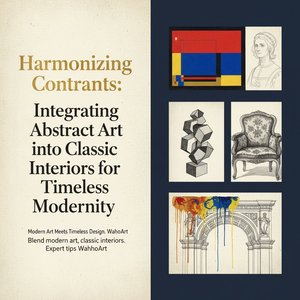
Equilibrio y Audacia: La Integración del Arte Contemporáneo en Interiores Clásicos para una Modernidad Atemporal
Descubre cómo integrar el arte contemporáneo en interiores clásicos con elegancia y sofisticación. Expertos en diseño te guían para crear espacios atemporales llenos de personalidad. ¡Inspírate!
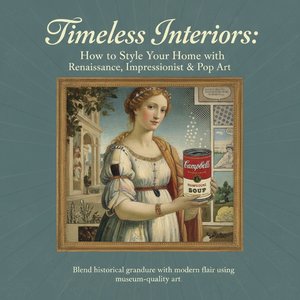
Más Allá de las Tendencias Efímeras: Cultivando Estéticas Interiores Duraderas a Través del Renacimiento, la Luz Impresionista y el Vibrante Pop Art
Descubre cómo crear un hogar con carácter atemporal combinando Renacimiento, Impresionismo y Pop Art. Reproducciones de alta calidad y asesoramiento experto en OriginalUniqueArt.com.

Crimson Threads of Narrative: Exploring Symbolism & Representation in Artworks Featuring the Red Dress
Explore the rich symbolism of the red dress in art history! From ancient power displays to iconic portraits like Cézanne’s 'Madame Cezanne', discover the cultural and artistic significance behind this captivating color. Expert analysis & insights.

Silent Narratives: Exploring the Enduring Appeal of Still Life Painting Across Centuries
Explore the rich history of still life painting with OriginalUniqueArt. Discover Dutch Masters, decode vanitas symbolism & learn about collecting timeless art. Expert insights and museum-quality reproductions.

¿Murales en Cocinas y Baños? La Nueva Tendencia del Diseño de Interiores de Lujo
Descubre la tendencia de los murales en baños y cocinas. Expertos en diseño te guían para transformar tus espacios con arte impermeable y personalizado. ¡Encuentra inspiración y soluciones únicas!


