
 Ver en contexto
 Enviar
 Compartir
 Detalles
 Guía
Guía

 Descargar
 Similares
 Radiografía
 Presentación de diapositivas
 Q&A
Q&A Estadísticas
Eva Prima Pandora

- 97.0 x 150.0 cm


 Ver más
Giclée / Impresión de arte
Impresiones giclée o en lienzo de calidad de museo con producción rápida y opciones de acabado flexibles. ( Comprar pintura hecha a mano Cambiar a imagen digital)




P118B €10

P118H €10

P118W €10

P438Z €10

P508JH €12

P508YH €12

P805H €10

P805Z €10

P919BZ €10

P919G €10

P919XJ €10

P959ZH €10

P968JZ €12

W106C €8

W218G €10

W218JH €8

W218Y €10

W307PJ €10

W316G €10

W316PJ €8

W316Y €10

W398PJ €8

W4111J €10

W500HY €15

W500JH €15

W692G €12

W849H €8

W940BG €15

W953PJ €8




Elija entre nuestros tamaños predefinidos que respetan las proporciones originales de la obra.

Introduzca el ancho y el alto que necesite para adaptarse a su marco o pared. Una impresión solo puede recortarse, nunca hacerse más grande que la imagen original, por lo que un tamaño con una forma distinta perderá parte de la obra. Le enviaremos una maqueta digital para su aprobación antes de realizar cualquier impresión. La imagen que se muestra en esta página no refleja el recorte real; solo la maqueta lo hace.
Envío a todo el mundo () en 2 semanas en lugar de las 4/5 semanas estándar. (1 noviembre)

Envío exprés gratuito a todo el mundo

Lienzo de lino de alta calidad

Seguro de envío total

Garantía de reembolso de aranceles aduaneros

Garantía de fidelidad cromática exacta

Política de devolución de 100 días (solo por defectos)

Garantía de devolución del 100% del dinero

Descuento por cantidad
 La opción de vidrio solo está disponible en tamaños inferiores a 110 cm.

Eva Prima Pandora
Giclée / Impresión de arte
Dimensiones de la reproducción
-


Precio total final
€ 71
Una visión de intimidad renacentista: Eva Prima Pandora
Contemplar Eva Prima Pandora es adentrarse directamente en la atmósfera ricamente texturizada del Renacimiento francés. Este cautivador retrato, ejecutado alrededor de 1550 por el círculo de Jean Cousin el Viejo, trasciende la mera representación de figuras; ofrece un íntimo tableau vivant impregnado de alegoría clásica y vulnerabilidad humana. La composición atrae inmediatamente la mirada hacia el grupo central: una mujer recostada con la cabeza apoyada suavemente en el regazo de otra persona. Su aparente desnudez no habla simplemente de desvestirse, sino quizás de un estado de profunda contemplación o de un despertar incipiente, temas que resonaban profundamente dentro del pensamiento humanista del Renacimiento.
Maestría en la forma y la alegoría
Jean Cousin el Viejo, conocido por su riguroso estudio de la anatomía y la perspectiva, imbuye esta obra de una brillantez técnica innegable. Obsérvese la delicada representación de la carne frente a las texturas implícitas de los ropajes y la piel; es testimonio de un dominio del óleo que permite que la luz parezca casi palpable. Más allá de las propias figuras, los elementos circundantes elevan la pieza de un simple retrato a un complejo arte narrativo. La inclusión de un pájaro posado delicadamente sobre un jarrón cerca del registro superior añade un toque de gracia naturalista, mientras que la sutil colocación de una calavera en la esquina inferior izquierda sirve como un potente memento mori: un recordatorio atemporal de la naturaleza fugaz de la vida, yuxtapuesta a la belleza perdurable capturada en el lienzo.
Simbolismo y resonancia emocional
La interacción entre estos elementos sugiere un diálogo que abarca la vida, la muerte, el conocimiento y el reposo. La figura reclinada, que quizás encarna a la propia Pandora o una representación alegórica de la humanidad naciente, descansa en un momento suspendido entre mundos. La presencia de la calavera ancla la pieza en la contemplación de la mortalidad, instando al espectador a considerar lo precioso del momento presente. Esta profundidad emocional —esta silenciosa confluencia de belleza y decadencia inevitable— es lo que otorga a Eva Prima Pandora su poder perdurable. Invita al coleccionista o decorador no solo a admirar la destreza técnica, sino a meditar sobre la existencia misma.
Un toque de grandeza renacentista para su espacio
Para aquellos que buscan una obra de arte que otorgue peso intelectual y un pedigrí artístico inigualable a una estancia, esta reproducción ofrece una conexión tangible con la edad de oro de la pintura europea. Su escala (97 x 150 cm) le permite imponer presencia en un gran salón o biblioteca, mientras que su temática —la hermosa tensión entre el florecimiento de la vida y la decadencia del tiempo— proporciona infinitos temas de conversación. Poseer esta pieza es adquirir no solo pintura sobre lienzo, sino un eco cuidadosamente preservado de la contemplación renacentista.
Preguntas y respuestas
¿Cuánta luz parecen reflejar los colores de "Eva Prima Pandora"?
Los colores de "Eva Prima Pandora" presentan una luminancia de Sombra suave.
¿Cómo puedo ver una vista previa de una reproducción de "Eva Prima Pandora" de Jean Cousin El Viejo?
Puedes ver una vista previa de "Eva Prima Pandora" de Jean Cousin El Viejo en la página de Vista previa de la obra de la obra.
¿Cuándo y con qué técnica se realizó "Eva Prima Pandora"?
"Eva Prima Pandora" fue creada en 1550 mediante la técnica de Óleo sobre lienzo. El material y la fecha describen cómo y cuándo se realizó la obra original.
Biografía del artista
Jean Cousin the Elder: A Renaissance Master of Anatomy and Perspective
Jean Cousin the Elder (ca. 1490–ca. 1560) stands as a pivotal figure in French Renaissance art, largely overshadowed by his son Jean Cousin the Younger but nonetheless recognized for his profound contribution to humanist ideals and artistic innovation. Born in Sens, France, he emerged from a family steeped in artistic tradition—his father, Jean Cousin the Elder, was himself a celebrated sculptor and painter who established a lasting connection with Albrecht Dürer, marking him as one of the foremost artists of his time. This familial legacy instilled within Jean Cousin the Younger an unwavering dedication to mastering both disegno (drawing) and geometria (mathematics), disciplines considered essential for achieving artistic excellence during the Renaissance.- Early Life & Training: Cousin’s formative years were spent honing his skills in Sens Cathedral, where he meticulously crafted stained-glass windows embodying biblical narratives—a testament to the burgeoning influence of humanist scholarship and theological contemplation. Simultaneously, he pursued rigorous mathematical studies, preparing for a career as a surveyor and demonstrating an intellectual curiosity that would permeate his artistic endeavors.
- Sens Cathedral Windows: The Sainte-Chapelle windows in Sens represent Cousin’s earliest masterpiece, showcasing his mastery of color and composition while adhering to the principles of linear perspective—a technique championed by Dürer and rapidly disseminated throughout Europe. These works exemplify the humanist impulse to depict religious subjects with anatomical accuracy and emotional depth.
Jean Cousin the Younger: Continuing Tradition & Artistic Synthesis
Jean Cousin the Younger (ca. 1522–1595) inherited his father’s artistic talent and established a workshop that flourished throughout the latter half of the sixteenth century, maintaining a stylistic continuity that captivated contemporaries. Despite scholarly debate regarding attribution—primarily due to the scarcity of surviving artworks—Cousin’s son undeniably absorbed and refined his father’s techniques, producing works characterized by elegance, subtlety, and an unwavering commitment to anatomical realism.- University Education & Artistic Style: Cousin the Younger studied at the University of Paris, reflecting the intellectual climate of the era—a period marked by humanist scholarship and a renewed interest in classical art. His artistic style mirrored his father’s, prioritizing meticulous observation of human anatomy and employing perspective with masterful precision.
- The Last Judgement Revisited: Cousin the Younger's rendition of “The Last Judgement” – rediscovered in 1872—stands as a cornerstone of French Renaissance painting. Its dramatic composition and nuanced portrayal of figures convey profound emotional resonance, cementing Cousin’s reputation as one of the foremost artists of his generation.
Influence & Legacy: Perspective & Anatomical Illustration
Jean Cousin’s influence extended far beyond his immediate contemporaries, shaping the trajectory of French Renaissance art and establishing him as a pioneer in anatomical illustration—a field that would soon gain prominence thanks to his son's groundbreaking work. His meticulous attention to detail—particularly in depicting human musculature—anticipated developments in scientific observation and artistic representation that would resonate throughout subsequent centuries.- Livre de Pourtraicture: Cousin’s magnum opus, “Livre de Pourtraicture” (1571), represents a seminal contribution to the burgeoning field of anatomical illustration. Published shortly after his death, this book meticulously documented human anatomy with unprecedented accuracy—a testament to Cousin's intellectual curiosity and artistic ambition.
Notable Achievements & Recognition
Jean Cousin’s legacy rests primarily on two monumental achievements: “The Last Judgement” (Paris, Louvre) and the “Bible” illuminated by Le Clerc (1566 & 1571). The Last Judgement is considered one of the first French paintings to employ perspective with remarkable sophistication, capturing a dramatic scene with meticulous detail. His illustrations for Ovid’s Metamorphoses and Epistles demonstrated his exceptional draughtsmanship and artistic sensibility. Cousin's work continues to inspire artists today, reminding us that true artistic excellence resides in a profound understanding of both form and substance—a testament to his enduring contribution to European art history.
Jean Cousin El Viejo
1522 - 1595 , Francia
Datos clave
- Artistic Movement Or Style: Manierismo Renacentista
- Artists Or Movements Influenced By This Artist: ['Escultura Renacentista']
- Artists Who Influenced This Artist: ['Albrecht Dürer']
- Date Of Birth: ca. 1490
- Date Of Death: ca. 1560
- Full Name: Jean Cousin the Elder
- Nationality: Francés
- Notable Artworks:
- El Juicio Final
- La Biblia
- Place Of Birth: Sens, Francia
Artículos relacionados

El Óleo sobre Lienzo: Historia, Técnica y la Persistencia de un Medio Artístico Atemporal
Descubre la historia y técnica del óleo sobre lienzo. Explora reproducciones fieles hechas a mano, personalización artística y consejos de expertos con OriginalUniqueArt. ¡Colecciona arte con confianza!

The Enduring Legacy of Oil on Canvas: Technique, History & Aesthetic Impact
Explore the rich history & techniques of oil painting – from Renaissance masters to Impressionism. Discover pigments, layering methods, and why this timeless medium endures. Expert insights for artists & art enthusiasts.

Luz y Textura Eterna: El Poder del Óleo sobre Lienzo en el Impresionismo
Descubre la maestría del óleo y el impasto en el impresionismo. Explora la textura y luz de los grandes maestros ahora.
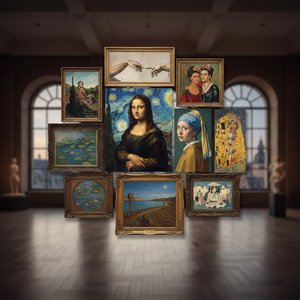
Las 10 Obras Maestras al Óleo que Revolucionaron la Historia del Arte |
Descubre las 10 obras maestras al óleo que transformaron la historia del arte. Explora Van Gogh, Monet, Da Vinci y más. Reproducciones de alta calidad para decorar tu hogar con elegancia. ¡Encuentra tu obra favorita en !

El Legado Duradero del Óleo sobre Lienzo: Técnica, Historia y Práctica Contemporánea
Descubre la historia y técnica del óleo sobre lienzo. Explora reproducciones fieles hechas a mano, personalización artística y consejos de expertos con .

