
 Vista previa
 Compartir
 Compartir
 Ver detalles

 Descargar
 Ver similares
 Radiografía
 Presentación de diapositivas
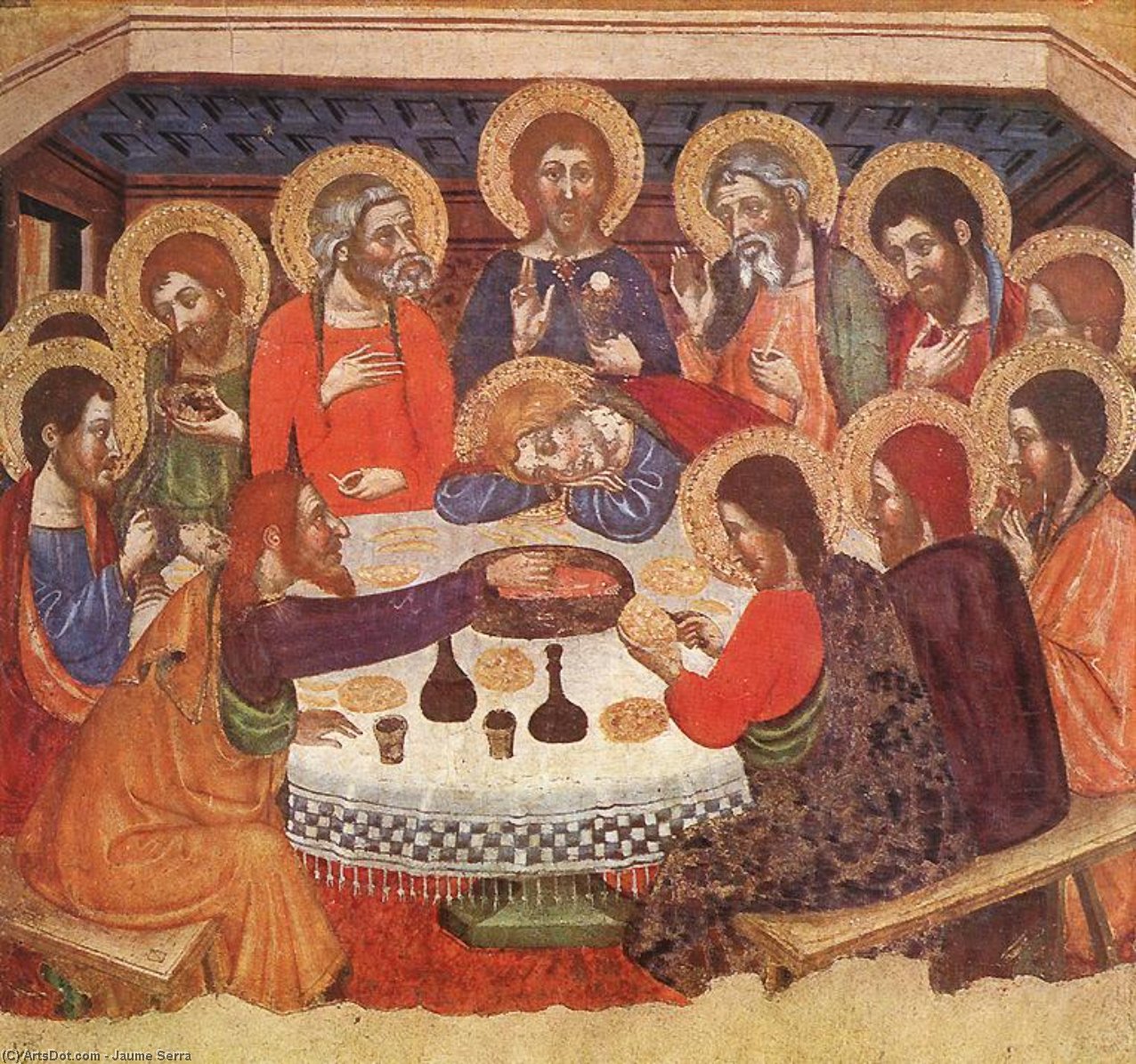
The Last Supper


 Leer más
Reproducción al óleo hecha a mano
Óleo sobre lienzo pintado a mano en el tamaño y marco de su elección, realizado por encargo por nuestros artistas. ( Pedir impresión Comprar descarga)




































Elija entre nuestros tamaños predefinidos que respetan las proporciones originales de la obra.

Puede ingresar sus propias dimensiones para adaptarse a un marco o espacio específico. Si el tamaño seleccionado no coincide con las proporciones de la imagen original, recortaremos la obra o extenderemos la pintura con elementos adicionales pintados a mano. Se le enviará una maqueta digital para su aprobación antes de comenzar la producción.
Tenga en cuenta que la vista previa en pantalla no refleja el recorte o la extensión reales. Solo la maqueta mostrará con precisión la composición final.
Si bien existen tamaños personalizados, recomendamos seleccionar una dimensión de la lista predefinida para preservar las proporciones originales.
Tras realizar el pedido, el equipo de OriginalUniqueArt.com enviará un correo electrónico al cliente para solicitar instrucciones y proporcionarle una vista previa del boceto.
Envío a todo el mundo () en 3-4 semanas en lugar de las 5 semanas estándar. (14 agosto). Sin comprometer la calidad.

Envío exprés gratuito a todo el mundo

Lienzo de lino de alta calidad

Seguro de envío completo

Garantía de reembolso de aranceles aduaneros

Garantía de fidelidad cromática exacta

Política de devolución de 60 días (solo por defectos)

Garantía de devolución del 100% del dinero

Oferta por volumen
 La opción de vidrio solo está disponible en tamaños inferiores a 110 cm.

The Last Supper
Técnica de reproducción
Tamaño de la reproducción
-


Precio total
$ 300
Biografía del artista
Jaume Serra: A Master of Catalan Gothic
Jaume Serra (d. after 1405) stands as one of the most celebrated figures in late medieval Catalan art, a painter whose distinctive style—characterized by stylized figures and profound influence from Sienese artistic traditions—continues to fascinate scholars and captivate audiences today. Born sometime around 1387, Serra’s artistic lineage traced back to a family deeply rooted in Catalonia's vibrant artistic landscape during the fourteenth century. His brothers, Pere, Francesc, and Joan Serra, were equally accomplished painters practicing the Italogótico style, mirroring the stylistic innovations originating from Siena under Ferrer Bassa. This shared heritage instilled within them a meticulous approach to craftsmanship and an unwavering dedication to conveying spiritual narratives with remarkable precision.Early Influences & Familial Tradition
Serra’s artistic education undoubtedly benefited from the familial legacy of artists active in Catalonia. The Serra brothers' commitment to Sienese techniques—particularly the use of slanted eyes and diminutive mouths—became a hallmark of their oeuvre, establishing a recognizable visual language that distinguishes their work from contemporaries. This stylistic preoccupation wasn’t merely aesthetic; it reflected a broader trend within Catalan art circles toward adopting innovations originating from Siena, where Ferrer Bassa spearheaded a transformative movement. The Serra brothers meticulously studied Sienese frescoes and panel paintings, absorbing the principles of spatial illusionism and expressive coloration—elements that would subsequently permeate their own artistic creations.The Monastery Altarpieces: A Monumental Collaboration
Serra’s contribution to Catalan Gothic art reached its zenith through his involvement in monumental altarpiece projects commissioned by monasteries. Notably, the altarpiece of Santa María de Sigena, now housed in Barcelona's Museu Nacional d'Art de Catalunya, exemplifies Serra’s mastery and embodies the stylistic ideals of the period. Alongside Pere Serra, he undertook this ambitious undertaking with unwavering dedication—a testament to their collaborative spirit and profound understanding of architectural space. The altarpiece’s central panel depicts Mary Magdalene and John the Baptist in a gesture of reverence, capturing the spiritual fervor of Catalan piety during Serra's lifetime. Furthermore, Serra’s meticulous attention to detail—evident in the drapery folds and facial expressions—demonstrates his exceptional technical skill.Stylistic Characteristics & Technique
Serra's artistic style is instantly recognizable due to several key features. The aforementioned stylized figures—characterized by disproportionately small eyes and mouths—are not merely decorative elements but deliberate expressions of theological contemplation. These diminutive representations serve as a visual metaphor for humility and spiritual devotion, reflecting the prevailing piety of the era. Furthermore, Serra’s meticulous application of tempera paint on wooden panels demonstrates an unparalleled level of technical skill. The vibrant colors achieved through layering thin glazes—particularly blues and greens—create luminous surfaces that convey depth and luminosity, capturing the ethereal beauty of religious iconography. This technique—inherited from Sienese masters—allowed Serra to achieve remarkable visual effects, enhancing the expressive power of his compositions.Legacy & Historical Significance
Jaume Serra’s altarpiece “The Holy Spirit,” currently residing in Manresa Cathedral, stands as a testament to Catalan Gothic art’s enduring legacy. Its meticulous execution—documented between 1356 and 1359—demonstrates the artistic standards upheld by Catalan artists during the fourteenth century. The division of this altar between Madrid's Prado Museum and Várez Fisa Collection underscores its importance as a cultural treasure, ensuring its preservation for future generations. Serra’s contribution to Catalan art history is undeniable; his stylistic innovations and unwavering dedication to craftsmanship continue to inspire admiration and scholarly inquiry. His work remains an invaluable source of insight into the artistic sensibilities of his time—a period marked by fervent religious devotion and a commitment to preserving medieval traditions.
Jaume Serra
1405 , Catalonia
Datos clave
- Artistic Movement Or Style: Italogótico
- Artists Or Movements Influenced By This Artist: ['Sienese art']
- Artists Who Influenced This Artist: ['Ferrer Bassa']
- Date Of Death: Después de 1405
- Full Name: Jaume Serra
- Nationality: Catalán
- Notable Artworks:
- Madonna de Humilidad
- Retrato de María Serra Pallavicino
- Place Of Birth: Cataluña

