

Índice
Información clave
- Location: Palermo, Italia
- Works on APS: 2
- Alternate names:
- Museo Arqueológico Regional Antonino Salinas
- Museo Arqueológico
- Museo Antonino Salinas Regional Arqueológico
- Museo arqueológico, Palermo
- Museo Nacional, Palermo, Italia.
- Featured artists:
- Jaume Serra
- antonello gaggini
Test de arte
Cada pregunta tiene una única respuesta correcta.
Pregunta 1:
¿Cuál es el enfoque principal del Museo Nacional?
Pregunta 2:
¿Qué civilización destaca especialmente en la colección del museo?
Pregunta 3:
¿Cuál es la escultura más famosa del Museo Nacional?
Pregunta 4:
¿Qué diferencia al Museo Nacional de otros museos que estudian el arte mediterráneo?
Pregunta 5:
¿Qué tipo de edificio alberga el Museo Nacional?
Artistas en la colección

Jaume Serra
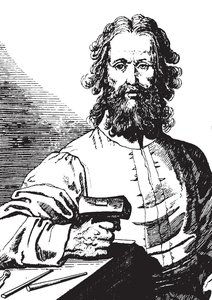
Descubre la maestría del pintor catalán Jaume Serra (1405), reconocido por sus figuras estilizadas y obras maestras como el Retrato de María Serra Pallavicino y el impresionante altar mayor de Santa María de Sigena. ¡Un legado artístico único!

Antonello Gaggini
¡Descubre las cautivadoras pinturas renacentistas y barrocas de Antonello Gaggini! Explora la ‘Madonna del Buon Riposo’ y sus obras maestras venecianas en San Cassiano y Palazzo Abatellis.
Artículos relacionados
El Florecimiento Dramático del Arte Barroco: Historia, Características e Influencia Duradera
Descubre la historia, características y legado del arte barroco con . Explora obras maestras de Velázquez, Goya y más. ¡Expertos en reproducciones y asesoramiento artístico!

Echoes of Heritage: Continuity & Innovation in Traditional Art Forms
Explore the rich history of cultural heritage & folk art traditions worldwide! Discover inspiring artists, preservation efforts, and museum collections. Find handmade oil paintings & expert insights at OriginalUniqueArt.

Legado en las Paredes: Frescos Familiares que Trascienden el Tiempo
Descubre el arte del fresco muralístico para inmortalizar tu historia familiar. Expertos en frescos personalizados y técnicas ancestrales. Crea un legado visual único con .
Catálogo de obras de arte
No se encontraron obras de arte.


Suscríbete a nuestro boletín informativo
Manténgase al día con las últimas noticias de arte, ofertas exclusivas e ideas de decoración.
Obtén 3 sugerencias de arte gratuitas
Cuéntanos sobre tu proyecto y nuestros expertos en arte te ofrecerán 3 sugerencias de obras personalizadas.
Not Sure Where to Start?
Let Us Curate 3 Options Just for You - Free!