

 Vista previa
 Compartir
 Compartir
 Ver detalles
 Guía
Guía

 Descargar
 Ver artículos similares
 Radiografía
 Presentación de diapositivas
 Estadísticas
LA HALTE MILITAIRE


 Leer más
Reproducción al óleo hecha a mano
Óleo sobre lienzo pintado a mano en el tamaño y marco de su elección, realizado por encargo por nuestros artistas. ( Cambiar a formato impreso Ver versión en imagen digital)




P118B $10

P118H $10

P118W $10

P438Z $10

P508JH $12

P508YH $12

P805H $10

P805Z $10

P919BZ $10

P919G $10

P919XJ $10

P959ZH $10

P968JZ $12

W106C $8

W218G $10

W218JH $8

W218Y $10

W307PJ $10

W316G $10

W316PJ $8

W316Y $10

W398PJ $8

W4111J $10

W500HY $15

W500JH $15

W692G $12

W849H $8

W940BG $15

W953PJ $8




Elija entre nuestros tamaños predefinidos que respetan las proporciones originales de la obra.

Puede ingresar sus propias dimensiones para adaptarse a un marco o espacio específico. Si el tamaño seleccionado no coincide con las proporciones de la imagen original, recortaremos la obra o extenderemos la pintura con elementos adicionales pintados a mano. Se le enviará una maqueta digital para su aprobación antes de comenzar la producción.
Tenga en cuenta que la vista previa en pantalla no refleja el recorte o la extensión reales. Solo la maqueta mostrará con precisión la composición final.
Si bien existen tamaños personalizados, recomendamos seleccionar una dimensión de la lista predefinida para preservar las proporciones originales.
Tras realizar el pedido, el equipo de OriginalUniqueArt.com enviará un correo electrónico al cliente para solicitar instrucciones y proporcionarle una vista previa del boceto.
Envío a todo el mundo () en 3-4 semanas en lugar de las 5 semanas estándar. (26 septiembre). Sin comprometer la calidad.

Envío exprés gratuito a todo el mundo

Lienzo de lino de alta calidad

Seguro de envío completo

Garantía de reembolso de impuestos aduaneros

Garantía de fidelidad cromática exacta

Política de devolución de 100 días (solo por defectos)

Garantía de devolución del 100% del dinero

Oferta por volumen
 La opción de vidrio solo está disponible en tamaños inferiores a 110 cm.

LA HALTE MILITAIRE
Técnica de reproducción
Tamaño de la reproducción
-


Precio total
$ 300
Biografía del artista
Jan Miel: El puente entre el realismo flamenco y la grandeza barroca
Jan Miel (1599–1663) se erige como una figura fundamental en el panorama artístico del siglo XVII, encarnando la fascinante confluencia entre la tradición flamenca y la innovación italiana. Nacido en Beveren, Bélgica —aunque Amberes y 's-Hertogenbosch siguen siendo candidatos para su lugar de nacimiento—, los primeros años de Miel permanecen envueltos en una relativa oscuridad, dejando escasos detalles biográficos. Sin embargo, lo que emerge de la investigación académica es un viaje artístico extraordinario, marcado por una evolución estilística y esfuerzos colaborativos que consolidaron su lugar dentro del vibrante entorno cultural de Roma y Turín.
Sus años formativos transcurrieron perfeccionando su oficio principalmente en Amberes, donde absorbió las influencias de destacados maestros flamencos como Anthony van Dyck. Si bien el alcance preciso de su formación sigue siendo esquivo, sin duda le inculcó un aprecio por la observación meticulosa y una técnica refinada, cualidades que caracterizarían gran parte de su obra posterior. Esta base fundamental en el dibujo clásico y el retrato le proporcionó las herramientas esenciales para una carrera que, con el tiempo, trascendería las fronteras regionales.
La transformación romana y el espíritu de los Bamboccianti
La llegada de Miel a Roma hacia 1636 marcó un momento transformador en su trayectoria artística. Se unió rápidamente a los Bentvueghels, una influyente asociación de artistas holandeses y flamencos residentes en la Ciudad Eterna. Dentro de esta hermandad, adoptó el memorable apodo de ‘bieco’, un sobrenombre que reflejaba su distintiva mirada entrecerrada, una característica que se convertiría en sinónimo de su personalidad artística. Esta afiliación fomentó conexiones profundas dentro de una comunidad artística más amplia, profundamente impactada por el estilo Bamboccianti de Pieter van Laer.
Este movimiento se dedicaba a representar escenas de la vida cotidiana entre las clases bajas de Roma y sus alrededores, alejándose de la grandeza idealizada del arte del Alto Renacimiento en favor de algo mucho más visceral e inmediato. Miel abrazó esta tendencia con todo su corazón, produciendo cautivadoras pinturas de género que capturaban el espíritu de la existencia urbana con un realismo y una sensibilidad notables. Sus obras solían presentar:
- Escenas callejeras llenas de vida, habitadas por viajeros, mercader de y trabajadores.
- Un uso magistral de la luz para evocar la atmósfera polvorienta y bañada por el sol de los callejones romanos.
- El sutil juego de las emociones humanas dentro de entornos multitudinarios y caóticos.
- Una atención meticulosa a las texturas de la tela, la piedra y la tierra.
Evolución hacia el clasicismo y la grandeza cortesana
A medida que su carrera progresaba, la visión artística de Miel experimentó una metamorfosis significativa. Aunque siguió siendo un maestro de la escena de género, comenzó a alejarse del realismo crudo de los Bamboccianti hacia pinturas históricas más clasicistas. Este cambio reflejaba una tendencia más amplia en el arte europeo, donde la energía pura del Barroco era cada vez más templada por un deseo de orden, nobleza y alegoría clásica.
Esta evolución lo condujo finalmente a nombramientos prestigiosos, destacando especialmente su labor como pintor de la corte de Carlos Emanuel II, Duque de Saboya. Al servicio de la corte de Turín, la obra de Miel adquirió un carácter más formal y magnífico. La intimidad de sus primeras escenas romanas dio paso a composiciones de mayor escala y complejidad, diseñadas para reflejar el poder y el prestigio de su patrón real. Este periodo representa la cúspide de su logro profesional, donde sus raíces flamencas en el detalle se encontraron con las grandes y envolventes narrativas exigidas por la aristocracia europea.
La importancia histórica de Jan Miel reside en su capacidad para navegar entre estos mundos dispares. Fue un artista capaz de hallar belleza en las humildes luchas de un niño de la calle romana y dignidad en los relatos épicos de la antigüedad. Al tender un puente entre el realismo meticuloso del Norte y el clasicismo dramático del Sur, Miel dejó una huella indeleble en el canon del siglo XVII, asegurando su legado como un verdadero cosmopolita de la era barroca.

Jan Miel
1599 - 1663 , Bélgica
Datos clave
- Artistic Movement Or Style: Bamboccianti, Clasicismo
- Artists Or Movements Influenced By This Artist: ['Pieter van Laer']
- Artists Who Influenced This Artist: ['Anthony van Dyck']
- Date Of Birth: 1599 Beveren Belgium
- Date Of Death: 1663
- Full Name: Jan Miel
- Nationality: Flamenco
- Notable Artworks:
- Paisaje con una batalla entre dos toros
- Escenas populares romanas
- Place Of Birth: Beveren Bélgica
Artículos relacionados

Drama Barroca: Llevando la Grandeza y la Emoción a los Interiores Contemporáneos
Descubre cómo el drama y la grandeza del arte barroco pueden transformar tus interiores. Guía experta, inspiración y reproducciones de alta calidad en .

Embrace the Drama: A Guide to Baroque Dynamism and Chiaroscuro for Sophisticated Modern Interiors
Discover how to transform your home with the dramatic elegance of Baroque art. Learn to master chiaroscuro, integrate bold oil reproductions, and use light and shadow to create a luxurious, high-impact modern interior with expert design guidance.
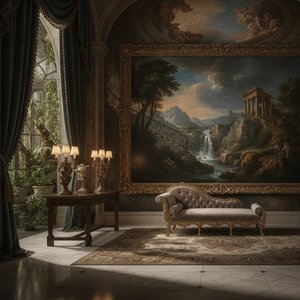
Baroque Landscapes: A Procurement Guide to Dramatic Depth and Grandeur for Professional Hotel Interiors
Elevate hospitality interiors with Baroque landscape reproductions. Our guide for hotel designers covers sourcing hand-painted oils, multi-panel layouts, and large-scale murals to create dramatic, high-end spaces with reliable bulk procurement and global shipping.

El Óleo sobre Lienzo: Historia, Técnica y la Persistencia de un Medio Artístico Atemporal
Descubre la historia y técnica del óleo sobre lienzo. Explora reproducciones fieles hechas a mano, personalización artística y consejos de expertos con OriginalUniqueArt. ¡Colecciona arte con confianza!

Elegancia Barroca: El Drama de la Luz y el Legado de los Grandes Maestros en Óleo
Descubra la majestuosidad del Barroco con nuestras reproducciones al óleo hechas a mano. Expertos en capturar el drama de la luz y el claroscuro para coleccionistas exigentes. Calidad museística, personalización exclusiva y envío mundial garantizado por OriginalUniqueArt.
