

 Ver en contexto
 Enviar
 Compartir
 Detalles
 Guía
Guía

 Descargar
 Similares
 Radiografía
 Presentación de diapositivas
 Estadísticas
LOUP DEVORANT UNE BREBIS


 Ver más
Giclée / Impresión de arte
Impresiones giclée o en lienzo de calidad de museo con producción rápida y opciones de acabado flexibles. ( Comprar pintura hecha a mano Cambiar a imagen digital)




P118B €10

P118H €10

P118W €10

P438Z €10

P508JH €12

P508YH €12

P805H €10

P805Z €10

P919BZ €10

P919G €10

P919XJ €10

P959ZH €10

P968JZ €12

W106C €8

W218G €10

W218JH €8

W218Y €10

W307PJ €10

W316G €10

W316PJ €8

W316Y €10

W398PJ €8

W4111J €10

W500HY €15

W500JH €15

W692G €12

W849H €8

W940BG €15

W953PJ €8




Elija entre nuestros tamaños predefinidos que respetan las proporciones originales de la obra.

Introduzca el ancho y el alto que necesite para adaptarse a su marco o pared. Una impresión solo puede recortarse, nunca hacerse más grande que la imagen original, por lo que un tamaño con una forma distinta perderá parte de la obra. Le enviaremos una maqueta digital para su aprobación antes de realizar cualquier impresión. La imagen que se muestra en esta página no refleja el recorte real; solo la maqueta lo hace.
Envío a todo el mundo () en 2 semanas en lugar de las 4/5 semanas estándar. (28 octubre)

Envío exprés gratuito a todo el mundo

Lienzo de lino de alta calidad

Seguro de envío total

Garantía de reembolso de aranceles aduaneros

Garantía de fidelidad cromática exacta

Política de devolución de 100 días (solo por defectos)

Garantía de devolución del 100% del dinero

Descuento por cantidad
 La opción de vidrio solo está disponible en tamaños inferiores a 110 cm.

LOUP DEVORANT UNE BREBIS
Giclée / Impresión de arte
Dimensiones de la reproducción
-


Precio total final
€ 71
The Drama of Nature's Edge: An Encounter with Brascassat
To stand before Jacques Raymond Brascassat’s Loup Devorant une Brebis (The Wolf Devouring a Sheep) is to be plunged instantly into the raw, untamed heart of Romanticism. This painting is far more than a mere depiction of pastoral life; it is a visceral confrontation with nature's inherent brutality and the fragility of innocence. Brascassat, celebrated as a pioneer in animal painting, possessed an almost unparalleled gift for rendering creatures not just anatomically, but psychologically. Here, the composition explodes with kinetic energy. The viewer’s eye is immediately drawn into the central vortex of action—the wolf's menacing form poised against the scattering flock. It captures that fleeting, terrifying moment where order dissolves into primal instinct.
Mastery in Technique and Atmosphere
Technically, the work is a breathtaking display of 19th-century oil painting prowess on canvas. Brascassat employs a palette dominated by rich, earthy tones—deep greens, ochres, and shadowed browns that ground the scene in believable wilderness. Yet, this grounded realism is elevated by dramatic contrasts. Observe how the sunlight struggles to penetrate the dense foreground foliage; these filtered highlights of yellow and white lend an almost ethereal quality to the otherwise brutal subject matter. The artist’s brushwork itself speaks volumes: it appears loose and expressive when capturing the agitated movement of the fleeing sheep, contrasting sharply with the more defined textures found in the rough bark of the fallen log or the musculature of the predator. This interplay between detailed rendering and sweeping gesture gives the piece its profound sense of depth and immediacy.
Symbolism: The Eternal Struggle
Beyond the technical brilliance lies a deep layer of symbolism that has captivated art lovers for generations. The wolf, universally recognized as the embodiment of wild danger or unchecked appetite, confronts the sheep, the quintessential symbol of vulnerability, purity, and gentle life. This dynamic tension—the predator versus the prey—is not merely narrative; it is an allegory. It speaks to the perennial human struggle between civilization and savagery, between safety and peril. For the collector or decorator, this piece offers a potent focal point for any room, inviting contemplation on themes of guardianship, risk, and survival.
A Romantic Echo for Modern Spaces
For those seeking art that possesses both historical weight and undeniable emotional resonance, Loup Devorant une Brebis remains profoundly compelling. Its dramatic scope makes it a magnificent statement piece, capable of anchoring an entryway or serving as the centerpiece in a grand salon. While its subject matter is intense, the overall effect—the masterful control over light, shadow, and movement—lends it a sophisticated drama that complements both traditional and modern interiors. Owning a reproduction allows one to bring this captured moment of sublime natural conflict into your home, transforming a simple wall space into a gallery of raw, untamed emotion.
Preguntas y respuestas
¿Qué tamaño de impresión de "LOUP DEVORANT UNE BREBIS" de Jacques Raymond Brascassat se adapta mejor a la habitación recomendada?
Para un Lounge, se recomienda imprimir "LOUP DEVORANT UNE BREBIS" en un tamaño de Medium.
¿Qué tan intensos son los colores de "LOUP DEVORANT UNE BREBIS"?
"LOUP DEVORANT UNE BREBIS" de Jacques Raymond Brascassat presenta una saturación de Balanced Soft y una intensidad de Balanced.
¿Qué paleta de colores y qué emoción evocan "LOUP DEVORANT UNE BREBIS"?
La paleta Earthy de "LOUP DEVORANT UNE BREBIS" de Jacques Raymond Brascassat armoniza con su tono emocional Tense. El color es una de las formas en que una obra transmite sentimiento.
Biografía del artista
Jacques Raymond Brascassat: Un pionero de la pintura animal
Jacques Raymond Brascassat (30 de agosto de 1804 – 28 de febrero de 1867) se erige como una figura singular dentro del Romanticismo francés, celebrado primordialmente por sus impresionantes representaciones de animales, un género que elevó a niveles sin precedentes de realismo y profundidad psicológica. Nacido en Burdeos, Francia, la trayectoria artística de Brascassat comenzó bajo la tutela de Louis Hersent en la École des Beaux-Arts de París, donde perfeccionó sus habilidades y obtuvo un prestigioso segundo lugar en el certamen del Prix de Rome en 1825 con su obra “La caza de Meleagro”, consolidándose como un artista de gran promesa. Este éxito temprano presagiaba una dedicación de por vida a capturar la esencia del mundo natural mediante una observación meticulosa y una técnica magistral.- Influencias tempranas: La sensibilidad artística de Brascassat estuvo profundamente moldeada por los ideales románticos: una fascinación por la emoción, la imaginación y la belleza sublime de los paisajes indómitos. El fervor por retratar escenas dramáticas de la mitología y el folclore resonó profundamente en su interior, guiando sus decisiones estilísticas.
- Estancia en Italia y estudios de paisaje: Reconociendo la importancia de fundamentar la visión artística en la experiencia directa, Brascassat viajó extensamente por Italia entre 1827 y 1835. Durante este periodo, se sumergió en el estudio de los paisajes italianos —particularmente aquellos imbuidos de grandeza y drama atmosférico— extrayendo inspiración de maestros como Claude Lorrain y Nicolas Piente. Estos años formativos le inculcaron una comprensión profunda de la pintura tonal y del equilibrio compositivo.
El auge de la pintura animal: La lucha de los toros y más allá
El enfoque artístico de Brascassat se desplazó rápidamente hacia la pintura animal, posicionándolo como uno de los practicantes más destacados de este desafiante género. A diferencia de muchos artistas de su época que favorecían representaciones idealizadas, Brascassat persiguió incansablemente la exactitud, capturando no solo la apariencia física de los animales, sino también su comportamiento y sus estados emocionales. Su icónica obra “Toros luchando” (1837), que se encuentra en el Museo de Arte de Nantes, Francia, ejemplifica este compromiso con el realismo, presentando un retrato visceral del enfrentamiento entre el toro y el matador con un detalle notable y un matiz psicológico asombroso. Del mismo modo, su obra “Vaca atacada por lobos” (1845), exhibida en el Museo de Bellas Artes de Leipzig, Alemania, muestra una representación igualmente cautivadora de la lucha animal, siendo un testimonio de la capacidad de Brascassat para transmitir emoción a través del lenguaje visual.Técnica y visión artística
El método artístico de Brascassat se caracterizó por un enfoque meticuloso de la pintura tonal. Construía con esmero capas de color, utilizando gradaciones sutiles para crear profundidad atmosférica y transmitiendo las texturas del pelaje animal con una precisión asombrosa. Sus lienzos pulsaban con vida, infundidos con un sentido de movimiento y emoción casi palpable. Las pinturas de Brascassat no eran meras representaciones de animales; eran exploraciones de sus vidas interiores, expresiones de coraje, vulnerabilidad e instinto primario.Reconocimiento y legado
La inquebrantable dedicación de Brascassat a su oficio le valió un reconocimiento considerable durante su vida. Fue elegido miembro de la Académie française en 1846, un honor prestigioso que reconocía su mérito artístico y su contribución intelectual, consolidando su lugar entre los artistas líderes de Francia. Aunque falleció prematuramente a la edad de sesenta y dos años, la influencia de Brascassat perduró, inspirando a las generaciones posteriores de pintores a abrazar el realismo y la profundidad psicológica en sus representaciones animales. Su legado imperecedero reside no solo en sus impactantes obras de arte, sino también en su papel pionero como defensor de la observación naturalista, piedra angular del logro artístico.
Jacques Raymond Brascassat
1804 - 1867 , Francia
Datos clave
- Artistic Movement Or Style: Realismo
- Artists Or Movements Influenced By This Artist: ['Rosa Bonheur']
- Artists Who Influenced This Artist: ['Louis Hersent']
- Date Of Birth: 1804
- Date Of Death: 1867
- Full Name: Jacques Raymond Brascassat
- Nationality: Francés
- Notable Artworks:
- La lucha de los toros
- Vaca atacada por lobos
- Place Of Birth: Burdeos, Francia
Artículos relacionados

Del Pixel al Óleo: Transforma tus Fotos en Obras Maestras de Anime con la Magia de la IA y el Arte Clásico
Descubre cómo fusionar la cultura pop con el arte clásico. Transformamos tus fotos de anime en auténticas pinturas al óleo hechas a mano por maestros artistas. Un proceso único que une IA y pincelada real para crear un legado eterno en tu hogar. ¡Haz clic y crea tu obra maestra!
Animalia: Explorando la Presencia Duradera de los Animales en el Arte y el Diseño de Interiores
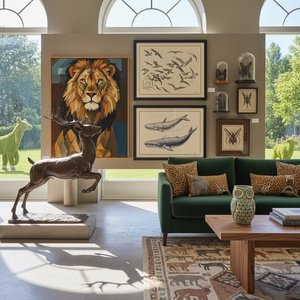
Descubre la fascinante historia de los animales en el arte y cómo inspirar tu hogar con su simbolismo. Expertos en reproducciones y asesoramiento artístico.

The Enduring Legacy of Fine Art Prints: Technique, History & Aesthetic Impact
Explore the rich history & techniques of fine art prints. Discover investment potential, assess authenticity, and learn how to preserve your collection with expert guidance. Trusted insights for discerning collectors.

De Selfie a Obra Maestra: El Arte de Transformar tus Recuerdos en Legado Eterno con la Tecnología IA de OriginalUniqueArt
Descubre cómo OriginalUniqueArt fusiona la vanguardia de la IA con la maestría del óleo clásico para transformar tus fotos en retratos eternos. Crea un legado artístico único con acabados de museo y pinceladas reales. Calidad garantizada, desde el píxel hasta el lienzo.

Giclée Prints: Archival Quality & Aesthetic Nuances for the Discerning Collector
Explore the world of giclée prints with OriginalUniqueArt. Learn about archival quality, aesthetic nuances & investment potential. Expert guidance for discerning art collectors seeking museum-quality reproductions and lasting value.