

 Ver en contexto
 Enviar
 Compartir
 Detalles

 Descargar
 Similares
 Radiografía
 Presentación de diapositivas
 Estadísticas
Epigrafi e Statue


 Ver más
Adquiera una imagen digital de alta resolución y optimizada, muy superior a la vista previa en línea.
Cada archivo es preparado meticulosamente por nuestros especialistas internos mediante el uso de herramientas avanzadas y un experto retoque manual. Nos aseguramos de que cada imagen posea una claridad excepcional, una precisión cromática impecable y un detalle minucioso.
El archivo final se entrega por correo electrónico en un plazo de 72 horas, optimizado para su uso inmediato en entornos profesionales, editoriales y de impresión. Esta es la misma calidad en la que confían los estudios de diseño, las editoriales y las galerías de primer nivel.
Imagen Digital
Descarga un archivo de alta resolución para exhibición personal, impresión y proyectos creativos. ( Cambiar a Impresión Comprar pintura hecha a mano)
Incluido en cada pedido de imágenes digitales
Entrega digital experta, garantizada.
Al elegir OriginalUniqueArt.com, no solo está adquiriendo una imagen; está recibiendo una obra de arte digital mejorada profesionalmente, elaborada con precisión y respaldada por una garantía de satisfacción. Esto es todo lo que incluye su pedido, automáticamente:

Entrega rápida por email
Recibirá su archivo de imagen digital en alta resolución por correo electrónico en un plazo de 72 horas tras realizar su pedido, listo para su uso inmediato.

Archivo digital optimizado por IA
Su obra de arte se optimiza profesionalmente mediante herramientas avanzadas de IA y edición manual, garantizando el máximo detalle, claridad y precisión cromática.

Reenvío gratuito de por vida
¿Has borrado o perdido tu archivo por error? No te preocupes: te lo volveremos a enviar en cualquier momento, sin coste adicional.

Sin gastos de importación, siempre
Disfrute de su obra de arte al instante sin aduanas, aranceles ni gastos de envío; las descargas digitales siempre están libres de impuestos.

Garantía de fidelidad de color
Garantizamos que su imagen digital refleje los colores originales con la mayor fidelidad posible, mediante el uso de herramientas profesionales y gestión del color.

Garantía de satisfacción de 100 días
Si no está satisfecho con su imagen digital, la revisaremos o le reembolsaremos el 100% en un plazo de 100 días, sin preguntas.

100% Garantía de devolución de dinero
¿No está satisfecho? Obtenga un reembolso completo dentro de los 100 días posteriores a la recepción de su archivo digital, sin preguntas.

Descuentos por pedidos grandes
Compra 3 imágenes, ahorra 10% - Compra 5, ahorra 15% - Compra 10+, ahorra 20%. Ideal para proyectos creativos, galerías y agencias.
Echoes of Antiquity: A Study in Renaissance Form
To gaze upon this preparatory drawing by Jacopo Bellini is to step directly into the vibrant, intellectual crucible of the early Italian Renaissance. It is not merely an image; it is a blueprint of genius—a tangible record of an artist wrestling with the monumental weight and exquisite potential of classical antiquity. Rendered in the delicate interplay of charcoal and ink upon aged paper, the composition presents three distinct sculptural visions: two majestic equestrian figures poised atop grand pedestals, alongside a solitary, standing form. The very air around these sketches seems charged with the ambition of creation, capturing Bellini’s profound dedication to mastering both the human figure and the architectural setting that frames it.
The Mastery of Line and Shadow
Technically, this piece is a masterclass in preparatory drawing. Bellini utilizes line not just to outline, but to construct volume. The charcoal lends a wonderfully tactile, almost dusty texture to the surface, suggesting the grit of the sculptor's workshop, while the sharp precision of the ink defines the architectural vocabulary—the clean lines of the plinths, the graceful curves of implied arches, and the musculature beneath drapery. Observe how light is suggested through meticulous shading; it falls across the imagined bronze or marble surfaces, giving these static drawings a startling sense of three-dimensional presence. This commitment to linear perspective ensures that every element, from the base to the crowning figure, feels anchored in believable space.
Symbolism and the Weight of Empire
The subject matter speaks volumes about the cultural currents of 15th-century Venice. The inclusion of equestrian statues immediately evokes themes of power, authority, and imperial patronage—the enduring legacy of Roman emperors whose forms Bellini so reverently studied. These figures are more than mere decoration; they are symbolic anchors connecting the burgeoning humanism of the Renaissance with the perceived glory of Rome. Furthermore, the accompanying inscriptions, though faded, serve as mnemonic devices, naming and titling these idealized subjects, grounding the artistic fantasy in historical narrative.
A Touch for the Modern Collector
For the discerning collector or designer whose aesthetic appreciates history imbued with intellectual rigor, this drawing offers unparalleled depth. It speaks to a time when art was inseparable from philosophy and engineering. Owning a reproduction of Bellini’s studies is not simply acquiring artwork; it is curating an atmosphere of scholarly elegance. Imagine this piece lending its quiet authority to a study or gallery—a constant, beautiful reminder that the greatest masterpieces begin with the most thoughtful sketch.
Biografía del artista
El pionero veneciano de la perspectiva renacentista
Jacopo Bellini se erige como una figura fundamental en el floreciente estilo pictórico del Renacimiento que prosperó en Venecia y el norte de Italia. Fue mucho más que un simple pintor; fue uno de los innovadores fundacionales de su época, moldeando la sensibilidad artística mediante una observación meticulosa de la naturaleza y una incorporación magistral de la perspectiva lineal, una técnica que anteriormente estaba prácticamente ausente en la tradición veneciana. Aunque hoy en día sobreviven pocos lienzos originales de Bellini para ser contemplados en todo su esplendor, su profundo legado reside principalmente en sus exquisitos cuadernos de dibujo, como aquellos que se custodian en el Museo Británico y el Louvre. Estos dibujos revelan una profunda fascinación por las vastas vistas de paisajes y diseños arquitectónicos elaborados, ofreciendo una visión invaluable de un proceso artístico que presagió las revoluciones estilísticas de los siglos venideros.
Nacido en Venecia alrededor de 1396, los años formativos de Jacopo estuvieron impregnados de las ricas y decorativas tradiciones del periodo gótico tardío. Su formación temprana sugiere que fue discípulo del célebre Gentile da Fabriano, un artista cuyo taller produjo algunos de los frescos más ambiciosos y ornamentados de la época. Esta prestigiosa asociación, sin duda, inculcó en Bellini un aprecio de por vida por el detalle intrincado, la armonía del color y una cierta complejidad decorativa. En los inicios de su carrera, se le vio activo en Foligno entre 1411 y 1412, donde colaboró en los monumentales frescos del Palazzo Trinci, trabajando junto a los mismos maestros que definieron el estilo gótico internacional.
Un viaje por el corazón del Renacimiento
Un punto de inflexión significativo llegó cuando Bellini viajó a Florencia hacia 1423. Este viaje lo situó en el epicentro de un intenso periodo de experimentación artística liderado por luminarias como Brunelleschi, Donatello y Masaccio. En Florencia, se encontró con la naciente ciencia de la perspectiva lineal, un descubrimiento que alteraría fundamentalmente su enfoque del espacio y la profundidad. Al fusionar la elegancia lírica y decorativa de sus raíces venecianas con el rigor estructural y la claridad espacial de los innovadores florentinos, Bellini comenzó a forjar un lenguaje visual único. Esta síntesis le permitió trascender los planos simbólicos y planos de la Edad Media hacia una representación del mundo más inmersiva, similar a una ventana abierta.
A medida que su carrera progresaba, Bellini se convirtió en una figura central en el establecimiento de una dinastía familiar que dominaría el arte veneciano durante generaciones. Su influencia no fue meramente personal, sino pedagógica, ya que transmitió sus innovaciones a sus hijos, Gentile y Giovanni. A través de ellos, las semillas de su experimentación con la luz, el paisaje y la perspectiva florecieron en el esplendor del Alto Renacimiento asociado al nombre Bellini. Su obra sirvió como un puente entre las tradiciones ornamentales del pasado y el realismo humanista del futuro, convirtiéndolo en un eslabón indispensable en la evolución del arte italiano.
Legado y trascendencia histórica
La importancia histórica de Jacopo Bellini reside en su papel como catalizador del cambio. Aunque gran parte de su producción permanece capturada en el íntimo medio de la tinta y la pluma, esos bocetos sirven como un plano maestro para el Renacimiento veneciano. Su capacidad para imaginar paisajes complejos y multicapa, junto con arquitecturas matemáticamente coherentes, sentó las bases para que sus sucesores exploraran la belleza atmosférica de la laguna veneciana. Estudiar a Bellini es ser testigo del momento preciso en que el ojo del artista comenzó a dominar verdaderamente la ilusión de la profundidad, cambiando para siempre la forma en que la humanidad percibe el mundo pintado.
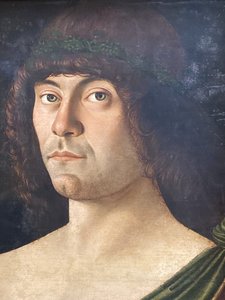
Jacopo Bellini
1396 - 1470 , Italia
Breves datos
- Artistic Movement Or Style: Renacimiento
- Artists Or Movements Influenced By This Artist: ['Masaccio']
- Artists Who Influenced This Artist: ['Gentile da Fabriano']
- Date Of Birth: Venice, Italia (1396)
- Date Of Death: c. 1470
- Full Name: Jacopo Bellini
- Nationality: Italiano
- Notable Artworks: ['La Crucifixión en Verona']
- Place Of Birth: Venecia