Vista previa
 Compartir
 Compartir
 Ver detalles
 Guía
Guía

 Descargar
 Ver artículos similares
 Radiografía
 Presentación de diapositivas
 Estadísticas
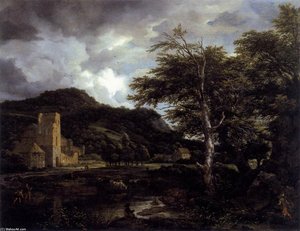
El Claustro
 Óleo sobre lienzo
- Arte de pared
- Pintura de paisaje holandesa
 1650
1650- Edad Moderna temprana
 75.0 x 96.0 cm
 Galería de Pinturas Antiguas
 Leer más
Giclée / Impresión de arte
Impresiones giclée o en lienzo de calidad de museo con producción rápida y opciones de acabado flexibles. ( Encargar reproducción pintada a mano Ver versión en imagen digital)




P118B €10

P118H €10

P118W €10

P438Z €10

P508JH €12

P508YH €12

P805H €10

P805Z €10

P919BZ €10

P919G €10

P919XJ €10

P959ZH €10

P968JZ €12

W106C €8

W218G €10

W218JH €8

W218Y €10

W307PJ €10

W316G €10

W316PJ €8

W316Y €10

W398PJ €8

W4111J €10

W500HY €15

W500JH €15

W692G €12

W849H €8

W940BG €15

W953PJ €8




Elija entre nuestros tamaños predefinidos que respetan las proporciones originales de la obra.

Introduzca el ancho y el alto que necesite para adaptarse a su marco o pared. Una impresión solo puede recortarse, nunca hacerse más grande que la imagen original, por lo que un tamaño con una forma distinta perderá parte de la obra. Le enviaremos una maqueta digital para su aprobación antes de realizar cualquier impresión. La imagen que se muestra en esta página no refleja el recorte real; solo la maqueta lo hace.
Envío a todo el mundo () en 2 semanas en lugar de las 4/5 semanas estándar. (22 octubre)

Envío exprés gratuito a todo el mundo

Lienzo de lino de alta calidad

Seguro de envío completo

Garantía de reembolso de impuestos aduaneros

Garantía de fidelidad cromática exacta

Política de devolución de 100 días (solo por defectos)

Garantía de devolución del 100% del dinero

Oferta por volumen
 La opción de vidrio solo está disponible en tamaños inferiores a 110 cm.

El Claustro
Giclée / Impresión de arte
Tamaño de la reproducción
-


Precio total
€ 70
Una ventana al alma del paisaje holandés
En la tranquila inmensidad de "El Claustro", de Jacob Isaackszoon van Ruisdael, pintada alrededor de 1650, se invita al espectador a adentrarse en un mundo donde los límites entre la naturaleza y la espiritualidad se disuelven. Esta obra maestra, piedra angular de la Edad de Oro holandesa, ofrece mucho más que un mero registro topográfico de una vista rural; es una profunda meditación sobre el paso del tiempo y la presencia perdurable de lo divino dentro del reino terrenal. Mientras la mirada vaga por las colinas ondulantes y la piedra desgastada, se percibe el peso de la historia y el pulso sereno de un paisaje que respira con su propia y silenciosa dignidad.
La composición está anclada por una torre de piedra erosionada, cuya fachada desmoronada actúa como un conmovedor memento mori: un recordatorio de la decadencia inevitable que afecta a todas las estructuras creadas por el hombre. Sin embargo, este sentido de fragilidad se equilibra con la vida vibrante que bulle en el primer plano. Las figuras dedicadas a las labores rítmicas y cotidianas del cuidado del ganado y las tareas agrícolas arraigan la grandeza de la escena en la realidad humana. Este juego entre la arquitectura monumental y las figuras humildes e industriosas crea una armonía compositiva que ha cautivado a coleccionación y entusiastas del arte durante siglos.
La maestría de la luz y la atmósfera
Ruisdael fue un virtuoso del luminismo, una técnica que prioriza el retrato etéreo de los efectos atmosféricos para evocar una sensación de presencia inmediata. En "El Claustro", el artista captura la magia fugaz de la luz del atardecer mientras se filtra a través de un cielo dramático y barrido por las nubes. La forma en que el cálido resplandor besa la piedra texturizada de la torre e ilumina el exuberante verdor crea una ilusión de inmensa profundidad, arrastrando al espectador al corazón mismo de la campiña holandesa. A través de sutiles gradaciones de color y meticulosas variaciones tonales, Ruisdael logra una precisión notable, representando la textura rugosa de la roca, la suavidad del follaje y el peso de las nubes con igual maestría.
Para el diseñador de interiores o coleccionista exigente, esta pintura ofrece una resonancia emocional sin igual. El cielo dramático, que ocupa una parte significativa del lienzo, proporciona una sensación de movimiento y energía que puede infundir vida a cualquier espacio sofisticado. Ya sea colocado en una galería bañada por el sol o en un estudio más sombrío y contemplativo, la capacidad de la obra para manipular la luz la convierte en una pieza central dinámica. No se limita a decorar una pared; transforma un entorno, invitando a un sentimiento de paz, reflexión y asombro.
Un legado de pensamiento humanista
Comprender "El Claustro" es comprender el clima intelectual de los Países Bajos del siglo XVII. Pintada poco después del transformador viaje de Ruisdael a Alemania, la obra refleja la floreciente filosofía humanista y la curiosidad científica de la época. La inclusión de elementos arquitectónicos clásicos habla de una fascinación por la antigüedad, mientras que el realismo meticuloso del paisaje refleja la devoción del período por la observación empírica. El claustro mismo sirve como un poderoso símbolo de soledad y devoción espiritual, valores profundamente arraigados en la cultura calvinista holandesa.
Poseer una reproducción de alta calidad de esta obra permite tener un fragmento de esta grandeza histórica. Es una inversión en una narrativa de resiliencia y belleza: una pieza que habla del ciclo eterno de crecimiento y decadencia, del espíritu humano industrioso y de la majestuosidad impresionante del mundo natural. "El Claustro" permanece como un testimonio perdurable de la capacidad de Ruisdael para capturar no solo lo que el ojo ve, sino lo que el alma siente.
Preguntas y respuestas
¿Qué técnica y estilo caracterizan a "El Claustro" de Jacob Van Ruisdael?
"El Claustro" de Jacob Van Ruisdael combina la técnica de Óleo sobre lienzo con el estilo Pintura de paisaje holandesa. La técnica y el movimiento describen la elaboración y el estilo de la obra.
¿Es "El Claustro" de Jacob Van Ruisdael de dominio público y por qué?
"El Claustro" de Jacob Van Ruisdael es de en el dominio público: sus derechos de autor han expirado. La duración de los derechos de autor comienza a partir del fallecimiento del artista, que ocurrió en 1682.
¿De qué trata "El Claustro" y qué atmósfera transmite?
"El Claustro" de Jacob Van Ruisdael representa pintura de paisaje, arquitectura de claustro, escena rural, arte religioso, perspectiva atmosférica, composición detallada, con un ambiente Sereno. El tema y la atmósfera describen juntos la obra.
Biografía del artista
Early Life and Career
Jacob Isaackszoon van Ruisdael, a name synonymous with the grandeur of Dutch landscape painting, was born in Haarlem around 1628 or 1629 – the exact date remains shrouded in some uncertainty. His lineage within the artistic community was significant; his father, Isaack Jacobsz. van Ruisdael, wasn’t merely a painter but also a skilled frame-maker and dealer, establishing a family tradition deeply rooted in visual arts. His uncle, Salomon van Ruysdael, further solidified this legacy as a respected landscape artist of the era. Unlike his father and uncle, Jacob adopted “i” instead of “y” in his surname, a subtle yet consistent choice throughout his career. Early training commenced within this familial circle, providing him with a foundational understanding of artistic techniques and materials. Around 1646, he formally joined the prestigious Guild of Saint Luke in Haarlem, marking his entry into the established art world and signifying his commitment to professional practice. This guild membership granted him rights and privileges as an artist, solidifying his position within the Dutch artistic community. His early works, dating from this period, already demonstrated a nascent talent – a sensitivity to light, composition, and the evocative qualities of the Dutch countryside.Artistic Style and Contributions
Ruisdael’s artistic style is characterized by a remarkable versatility and an astonishing output, encompassing a vast range of landscape subjects. His early works focused primarily on scenes from the Netherlands, capturing the essence of the rural environment with increasing sophistication. However, a pivotal moment in his development occurred around 1650 when he embarked on a journey to Germany, specifically to Bentheim. This trip profoundly impacted his artistic vision, leading him to depict landscapes with a newfound sense of drama and scale – a shift that would become increasingly prominent in his later work. Following this German sojourn, Ruisdael’s paintings began to exhibit a more heroic quality, reflecting the grandeur he had witnessed. His late period, spanning from approximately 1657 until his death in 1682, is particularly noteworthy. During this time, working primarily in Amsterdam, he expanded his repertoire to include city panoramas and dramatic seascapes. A defining characteristic of these later works is the sky’s dominant presence – often occupying two-thirds of the canvas—creating a sense of vastness and atmospheric depth that was revolutionary for its time. His masterful use of light and shadow, combined with an acute awareness of perspective, elevated his landscapes to a level of unparalleled beauty and emotional resonance. Notable works from this period include:- View of Haarlem with Bleaching Grounds, a quintessential example of his ability to capture the subtle details and atmospheric qualities of the Dutch countryside.
- Waterfall in a Rocky and Mountainous Landscape, showcasing his dramatic use of light and composition to convey the power and beauty of nature.
- View of the Dam and the Damrak in Amsterdam, demonstrating his skill in capturing the bustling energy and architectural details of a Dutch city.
Museums and Collections
Ruisdael’s artistic legacy is preserved across numerous private and institutional collections worldwide, testament to the enduring appeal of his work. Significant holdings can be found at:- The National Gallery in London, which houses a remarkable collection of his landscapes and cityscapes.
- The Rijksmuseum in Amsterdam, the Netherlands’ premier museum, boasts an extensive selection of Ruisdael's paintings, offering a comprehensive overview of his artistic development.
- The Hermitage Museum in St. Petersburg, Russia, holds a substantial collection of Dutch art, including several important works by Ruisdael.
Influence and Legacy
Ruisdael’s influence on landscape painting traditions extends far beyond the borders of the Netherlands. He profoundly shaped the development of landscape art in England, inspiring generations of Romantic painters such as John Constable and Thomas Gainsborough. His work also exerted a significant impact on the Barbizon School in France and the Hudson River School in the United States, each movement drawing inspiration from his dramatic compositions and masterful use of light and atmosphere. Furthermore, Ruisdael’s legacy continues to resonate with Dutch landscape artists today, serving as a cornerstone of their artistic heritage. His ability to capture the essence of the natural world – its beauty, power, and vulnerability – remains a source of enduring fascination for art lovers around the globe.
Jacob Van Ruisdael
1628 - 1682 , Países Bajos
Datos clave
- Artistic Movement Or Style: Barroco, Escuela de los Países Bajos
- Artists Or Movements Influenced By This Artist:
- Romantismo Inglés
- Escuela de Barbizon
- Artists Who Influenced This Artist: ['Hendrik Vroom']
- Date Of Birth: c.1628/1629, Haarlem
- Date Of Death: 1682, Amsterdam
- Full Name: Jacob Isaackszoon van Ruisdael
- Nationality: Holandés
- Notable Artworks:
- Vista de Haarlem
- Cascada en paisaje montañoso
- Vista del puerto de Amsterdam
- Place Of Birth: Haarlem, Netherlands
Artículos relacionados

Golden Light & Dutch Skies: The Timeless Magic of Dutch Golden Age Landscapes
Discover the breathtaking beauty of Dutch Golden Age landscapes. Explore the mastery of light, chiaroscuro, and 17th-century realism through an expert art history lens, celebrating the enduring legacy of the Dutch Masters for discerning collectors and art lovers.

Los 10 Maestros del Siglo de Oro Holandés: Arte, Historia y Decoración Exclusiva
Descubre los 10 imprescindibles del Siglo de Oro Holandés: Rembrandt, Vermeer y más. Explora la historia, técnica y belleza de estos lienzos clásicos. Encuentra reproducciones de arte exclusivas para decorar tu hogar en .
Jacob van Ruisdael: Master of Dutch Landscape & the Evocation of National Identity
Explore the life & work of Jacob van Ruisdael, the preeminent Dutch landscape painter. Discover his technical brilliance, symbolic depth, and lasting influence on art history. Learn about collecting Ruisdael's masterpieces.
Nicolaes Berchem: Dutch Golden Age Pastoralism & the Evolution of Landscape Painting
Explore the captivating world of Nicolaes Berchem, a leading Dutch Golden Age painter. Discover his idyllic landscapes, masterful technique & lasting influence on art history. Learn more at OriginalUniqueArt.

Golden Light & Dutch Skies: Bringing the Magic of Dutch Golden Age Landscapes into Your Home
Transform your home with the breathtaking light of Dutch Golden Age landscapes. Discover how hand-painted oil reproductions of masterworks like Ruisdael and Vermeer bring timeless elegance, atmosphere, and soulful texture to modern interiors. Elevate your space with museum-quality art.