Text size

() ·

A painting made for you, by hand

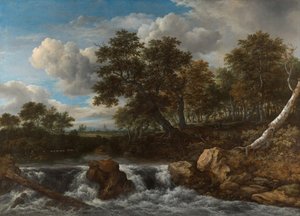
Vista de playa

Reproducción al óleo hecha a mano

Óleo sobre lienzo pintado a mano en el tamaño y marco de su elección, realizado por encargo por nuestros artistas. ( Cambiar a impresiones Cambiar a imagen digital)

Descripción del objeto

Magnífica pintura paisajística de Jacob Isaackszoon van Ruisdael que captura la esencia del paisaje holandés barroco con una impresionante representación del agua y el cielo nublado.

Biografía del artista

Jacob van Ruisdael (1628-1682) fue el pintor paisajista más importante de la Edad Dorada holandesa. Admira sus paisajes dramáticos, escenas rurales serenas y panoramas urbanos. Inspiró a los románticos ingleses y a generaciones de artistas holandeses.

from ·

Chapter 1

How large should it be?

Slide to change the size; the picture on the left shows the frame at its real width. The proportions of the original are kept.

Tamaño estándar
a medida
CM
INCH

Elija entre nuestros tamaños predefinidos que respetan las proporciones originales de la obra.

ancho
altura

Indique el ancho y el alto que necesite para adaptarse a su marco o pared. Al tratarse de una obra pintada a mano, si requiere un tamaño con una proporción distinta, el artista puede pintar un poco más alrededor de la imagen o recortarla ligeramente; usted elige. Le enviaremos una maqueta digital para su aprobación antes de comenzar la pintura. La imagen que se muestra en esta página no refleja el resultado real; solo la maqueta lo hace.

Chapter 2

How should it arrive?

Choose the edges of the stretched canvas

Choose your frame

Corner sample of the WhiteWrap canvas edge finish, stretched on madera maciza bars
White €1
Corner sample of the BlurSideWrap canvas edge finish, stretched on madera maciza bars
Blurside €1
Corner sample of the ExtendedWrap canvas edge finish, stretched on madera maciza bars
Extended €1
Corner sample of the P118B picture frame: poliestireno moldeado, 5 cm wide and 3 cm thick
P118B €10
Corner sample of the P118H picture frame: poliestireno moldeado, 5 cm wide and 3 cm thick
P118H €10
Corner sample of the P118W picture frame: poliestireno moldeado, 5 cm wide and 3 cm thick
P118W €10
Corner sample of the P438Z picture frame: poliestireno moldeado, 5.5 cm wide and 3.5 cm thick
P438Z €10
Corner sample of the P508JH picture frame: poliestireno moldeado, 7 cm wide and 3.5 cm thick
P508JH €12
Corner sample of the P508YH picture frame: poliestireno moldeado, 7 cm wide and 3.5 cm thick
P508YH €12
Corner sample of the P805H picture frame: poliestireno moldeado, 5 cm wide and 3.5 cm thick
P805H €10
Corner sample of the P805Z picture frame: poliestireno moldeado, 5 cm wide and 3.5 cm thick
P805Z €10
Corner sample of the P919BZ picture frame: poliestireno moldeado, 7 cm wide and 3.5 cm thick
P919BZ €10
Corner sample of the P919G picture frame: poliestireno moldeado, 7 cm wide and 3.5 cm thick
P919G €10
Corner sample of the P919XJ picture frame: poliestireno moldeado, 7 cm wide and 3.5 cm thick
P919XJ €10
Corner sample of the P959ZH picture frame: poliestireno moldeado, 5 cm wide and 3 cm thick
P959ZH €10
Corner sample of the P968JZ picture frame: poliestireno moldeado, 6 cm wide and 4 cm thick
P968JZ €12
Corner sample of the W106C picture frame: madera maciza, 5 cm wide and 3 cm thick
W106C €8
Corner sample of the W218G picture frame: madera maciza, 5 cm wide and 3 cm thick
W218G €10
Corner sample of the W218JH picture frame: madera maciza, 5 cm wide and 3 cm thick
W218JH €8
Corner sample of the W218Y picture frame: madera maciza, 5 cm wide and 3 cm thick
W218Y €10
Corner sample of the W307PJ picture frame: madera maciza, 6 cm wide and 3 cm thick
W307PJ €10
Corner sample of the W316G picture frame: madera maciza, 6 cm wide and 3 cm thick
W316G €10
Corner sample of the W316PJ picture frame: madera maciza, 6 cm wide and 3 cm thick
W316PJ €8
Corner sample of the W316Y picture frame: madera maciza, 6 cm wide and 3 cm thick
W316Y €10
Corner sample of the W398PJ picture frame: madera maciza, 5 cm wide and 3 cm thick
W398PJ €8
Corner sample of the W4111J picture frame: madera maciza, 6.5 cm wide and 3.5 cm thick
W4111J €10
Corner sample of the W500HY picture frame: madera maciza, 7 cm wide and 5 cm thick
W500HY €15
Corner sample of the W500JH picture frame: madera maciza, 7 cm wide and 5 cm thick
W500JH €15
Corner sample of the W692G picture frame: madera maciza, 8 cm wide and 4 cm thick
W692G €12
Corner sample of the W849H picture frame: madera maciza, 5 cm wide and 3 cm thick
W849H €8
Corner sample of the W940BG picture frame: madera maciza, 7.5 cm wide and 4.5 cm thick
W940BG €15
Corner sample of the W953PJ picture frame: madera maciza, 6 cm wide and 3.5 cm thick
W953PJ €8
Corner sample of the H24-GOLD picture frame: madera tallada con estuco, 10 cm wide and 6 cm thick
H24-GOLD €30
Corner sample of the H24-SILVER picture frame: madera tallada con estuco, 10 cm wide and 6 cm thick
H24-SILVER €30
Corner sample of the H36-GOLD picture frame: madera tallada con estuco, 15 cm wide and 6.5 cm thick
H36-GOLD €45
Corner sample of the H36-SILVER picture frame: madera tallada con estuco, 15 cm wide and 6.5 cm thick
H36-SILVER €45

Moulding: . Overall size with the frame: .

Chapter 3

Who paints it, and should anything change?

Examples of what can be changed: Replace face with customer photo; Add pet (e.g., replace cat with dog); Include hidden message in background; Change background landscape or elements.
After order, OriginalUniqueArt.com team will email client for instructions and provide a mockup preview

Envío a todo el mundo () en 3-4 semanas en lugar de las 5 semanas estándar. (2 noviembre). Sin comprometer la calidad.

Chapter 4

The finishing touches

A nameplate, as in a museum?

Detalles de la placa de bronce grabada

This elegant plaque features the artist's name and the title of the artwork, finely engraved for a timeless presentation.

It is made from bronze with a refined, elegant finish. The text is precisely laser-engraved for a sharp and permanent result. Measuring 9x2 cm, the plaque is compact yet easy to read. It's built to be durable and scratch-resistant, offering a professional, museum-quality look. Mounting is simple thanks to the included adhesive backing.

Detalles de la placa de acrílico transparente

The plaque includes essential engraved details such as the artist's name, the title of the artwork, the date it was created, the type of media used-like oil on canvas or watercolor-a brief description of the piece, and a QR code that links to the complete artwork information.

It is crafted from clear acrylic, offering a sleek, modern appearance. The text is UV-engraved in black to ensure strong visual contrast. With a size of 10x15 cm, it ensures optimal readability. It comes equipped with two metal hooks for secure wall mounting. The plaque is designed to be weather-resistant, making it suitable for various environments, and it includes interactive features that work seamlessly with smartphone scanning.

Detalles de la placa de acrílico negro

This elegant plaque includes engraved information such as the artist's name, the title of the artwork, the date it was created, the type of media used (like oil on canvas or watercolor), a short description of the artwork, and a QR code for quick access to more information.

The plaque itself is made from refined black acrylic with a premium finish. The text is laser-engraved in white for high contrast and readability. Its size is 10x15 cm, designed to be easy to read. It comes with two metal hooks for professional mounting. The design is sleek and fits any interior style. It is also weather-resistant and durable, with built-in digital integration for mobile compatibility.

A protective varnish?

When do you need it?

Chapter 5

Your painting, as you ordered it

Vista de playa

Técnica de reproducción

Dimensiones de la reproducción

-

Selección de artistas premium

Mayor nivel de detalle, delicadeza y tiempo de producción adicional

-

Enmarcado de reproducción

-

-

Para obras de arte o reproducciones que midan más de 105 cm (aproximadamente 41 pulgadas) en cualquiera de sus lados, el marco se enviará como un kit desmontado. Este método garantiza una entrega segura y evita daños durante el transporte.

Se requiere montaje profesional: este no es un producto para hacer usted mismo (DIY).
El kit debe ser ensamblado y el lienzo tensado por un enmarcador profesional con experiencia, utilizando cola para madera (no incluida), una tenaza para tensar lienzos y sargentos para mantener los bastidores alineados mientras la cola se seca. Un montaje incorrecto o una tensión desigual del lienzo pueden dañar la obra de arte de forma permanente y no están cubiertos por nuestra garantía.

  • Se incluyen todos los listones de madera maciza, cortados con precisión según las medidas.

  • Se ensambla con los tornillos incluidos, además de cola para madera para las uniones de las esquinas, la cual no se incluye y debe ser proporcionada por su enmarcador.

  • Se requieren herramientas profesionales que no están incluidas: un alicate para tensar lienzos (tensor) y abrazaderas para mantener los bastidores alineados mientras se seca el pegamento.

Importante:
Las uniones de las esquinas requieren cola para madera, los listones deben sujetarse con prensas hasta que la cola esté completamente seca, y para tensar el lienzo en el bastidor ensamblado se requiere una pinza para tensar lienzos. Ninguno de estos elementos está incluido en el kit. Por favor, contacte con un profesional del enmarcado con experiencia antes de realizar un pedido de este tamaño.

Cartela

-

-

Barniz protector

Barniz brillante (realza los colores y protege contra la luz y la humedad)

-

Personalizar mi obra

Ejemplos de lo que se puede personalizar: sustituir el rostro por una foto del cliente; añadir una mascota (por ejemplo, cambiar un gato por un perro); incluir un mensaje oculto en el fondo; cambiar el paisaje o los elementos del fondo.

-

Envío urgente

Envío a todo el mundo () en 3 o 4 semanas, en lugar de las 5 semanas habituales. (2 noviembre). Sin comprometer la calidad.

-

Envío urgente

Envío internacional () en 5 semanas. (9 noviembre).

Incluido

Precio total final

€ 267

Precio total € 267

La opción de vidrio solo está disponible en tamaños inferiores a 110 cm.

Included with every order

  • Envío exprés gratuito a todo el mundo
  • Lienzo de lino de alta calidad
  • Seguro de envío total
  • Garantía de reembolso de aranceles aduaneros
  • Garantía de fidelidad cromática exacta
  • Política de devolución de 100 días (solo por defectos)
  • Garantía de devolución del 100% del dinero
  • Descuento por cantidad

Una Vista Tranquila al Amanecer: Análisis de "Playa Serena" de Jacob Isaackszoon van Ruisdael

La obra maestra de Jacob Isaackszoon van Ruisdael, conocida como “Playa Serena”, pintada en 1675, ofrece una ventana fascinante a la sensibilidad artística del siglo XVII holandés y al espíritu de observación meticulosa que caracterizó a este pintor excepcional. Más allá de una simple representación paisajística, esta pintura es un complejo diálogo entre luz, sombra y movimiento, cargado de simbolismo y capaz de evocar emociones profundas en el espectador.

El Paisaje Holandés Heroico: Estilo y Técnica Innovadora

Ruisdael perteneció a la vanguardia del paisaje holandés, impulsado por una nueva corriente estética que buscaba trascender las convenciones tradicionales. Su estilo se distingue por una composición dramática donde el cielo ocupa dos tercios del lienzo, dominando la escena con tonos azules y blancos que reflejan la atmósfera matutina de manera impresionante. Esta elección técnica fue revolucionaria en su época, anticipándose a otros artistas europeos como Rembrandt y buscando capturar la fuerza esencial de la naturaleza. La pintura emplea una combinación magistral de colores apagados y brillantes para crear efectos de iluminación complejos y resaltar las texturas rugosas de las piedras y el agua. Se utiliza un método conocido como "sfumato", que consiste en difuminar los límites entre luces y sombras, otorgando profundidad y atmósfera al paisaje.

El Contexto Histórico: Una Sociedad Observadora y Reflexiva

La creación de “Playa Serena” se sitúa en plena Edad Dorada holandesa, un período de prosperidad económica impulsado por el comercio marítimo y una sociedad abierta a nuevas ideas filosóficas y científicas. Esta época fue testigo del nacimiento del pensamiento ilustrado, que cuestionaba las creencias religiosas tradicionales y promovía la razón como guía para comprender el mundo. Los artistas holandeses de este periodo estaban influenciados por estos cambios culturales y buscaban expresar en sus obras una visión optimista de la vida humana y un profundo respeto por la belleza natural. La pintura refleja esta sensibilidad intelectual, invitando al espectador a contemplar la grandeza del universo y a reflexionar sobre su propio lugar en él.

Simbolismo Ambiental: Más Allá de lo Superficial

“Playa Serena” está repleta de símbolos ambientales que enriquecen el significado de la obra. El cielo nublado representa la incertidumbre y los desafíos de la existencia humana, mientras que las piedras ásperas simbolizan la fortaleza y la resistencia frente a las adversidades. El agua calma refleja la serenidad interior y la armonía con la naturaleza, valores fundamentales en la filosofía holandesa de la época. Además, la presencia de aves marinas sugiere movimiento y libertad, elementos esenciales para comprender el espíritu del paisaje heroico que Ruisdael buscaba transmitir. Estos símbolos no son simplemente decorativos; sino que contribuyen a crear una experiencia estética profunda y significativa para el observador.

El Impacto Emocional: Una Invitación a la Contemplación

Finalmente, “Playa Serena” posee un impacto emocional poderoso que sigue fascinando al público contemporáneo. La pintura invita a la contemplación silenciosa y ofrece una sensación de paz interior que contrasta con el ritmo frenético de la vida moderna. Observar esta escena bañada en luz suave puede despertar recuerdos asociados a momentos especiales de tranquilidad y belleza natural, evocando emociones positivas como alegría y gratitud. Esta capacidad para generar sentimientos profundos es testimonio del talento artístico excepcional de Ruisdael y de su habilidad para capturar la esencia misma de la experiencia humana. Una reproducción de alta calidad permite apreciar los detalles minuciosos de esta obra maestra y disfrutar plenamente de su belleza estética y emocional.

Preguntas y respuestas

¿Es "Vista de playa" de Jacob Van Ruisdael una composición en formato vertical, horizontal o cuadrado?

"Vista de playa" de Jacob Van Ruisdael tiene un formato Formato horizontal. El formato describe las proporciones de la composición.

¿"Vista de playa" de Jacob Van Ruisdael utiliza contrastes fuertes o armonías suaves?

En "Vista de playa", un Equilibrado contraste se combina con una Paleta unificada armonía.

¿Qué tamaño y orientación de impresión se recomiendan para "Vista de playa" de Jacob Van Ruisdael?

Se recomienda imprimir "Vista de playa" de Jacob Van Ruisdael en un tamaño de Gran formato con una orientación Formato horizontal.

More about this painting

Ver en contexto Vista previa en RA Cambiar a impresiones Cambiar a imagen digital Enviar
Detalles Guía Añadir a favoritos Descargar Similares Radiografía Presentación de diapositivas Q&A Estadísticas

In numbers

  • 1675the year it was painted
  • 29frames to choose from
  • standard sizes, in its own proportions
  • 5weeks to paint and deliver it
Jacob Van Ruisdael

Jacob Van Ruisdael

1628 - 1682, Países Bajos

Quick facts about Jacob Van Ruisdael

  • Artistic Movement Or Style: Barroco, Escuela de los Países Bajos
  • Artists Or Movements Influenced By This Artist:
    • Romantismo Inglés
    • Escuela de Barbizon
  • Artists Who Influenced This Artist: ['Hendrik Vroom']
  • Date Of Birth: c.1628/1629, Haarlem
  • Date Of Death: 1682, Amsterdam
  • Full Name: Jacob Isaackszoon van Ruisdael
  • Nationality: Holandés
  • Notable Artworks:
    • Vista de Haarlem
    • Cascada en paisaje montañoso
    • Vista del puerto de Amsterdam
  • Place Of Birth: Haarlem, Netherlands

Biografía del artista

Early Life and Career

Jacob Isaackszoon van Ruisdael, a name synonymous with the grandeur of Dutch landscape painting, was born in Haarlem around 1628 or 1629 – the exact date remains shrouded in some uncertainty. His lineage within the artistic community was significant; his father, Isaack Jacobsz. van Ruisdael, wasn’t merely a painter but also a skilled frame-maker and dealer, establishing a family tradition deeply rooted in visual arts. His uncle, Salomon van Ruysdael, further solidified this legacy as a respected landscape artist of the era. Unlike his father and uncle, Jacob adopted “i” instead of “y” in his surname, a subtle yet consistent choice throughout his career. Early training commenced within this familial circle, providing him with a foundational understanding of artistic techniques and materials. Around 1646, he formally joined the prestigious Guild of Saint Luke in Haarlem, marking his entry into the established art world and signifying his commitment to professional practice. This guild membership granted him rights and privileges as an artist, solidifying his position within the Dutch artistic community. His early works, dating from this period, already demonstrated a nascent talent – a sensitivity to light, composition, and the evocative qualities of the Dutch countryside.

Artistic Style and Contributions

Ruisdael’s artistic style is characterized by a remarkable versatility and an astonishing output, encompassing a vast range of landscape subjects. His early works focused primarily on scenes from the Netherlands, capturing the essence of the rural environment with increasing sophistication. However, a pivotal moment in his development occurred around 1650 when he embarked on a journey to Germany, specifically to Bentheim. This trip profoundly impacted his artistic vision, leading him to depict landscapes with a newfound sense of drama and scale – a shift that would become increasingly prominent in his later work. Following this German sojourn, Ruisdael’s paintings began to exhibit a more heroic quality, reflecting the grandeur he had witnessed. His late period, spanning from approximately 1657 until his death in 1682, is particularly noteworthy. During this time, working primarily in Amsterdam, he expanded his repertoire to include city panoramas and dramatic seascapes. A defining characteristic of these later works is the sky’s dominant presence – often occupying two-thirds of the canvas—creating a sense of vastness and atmospheric depth that was revolutionary for its time. His masterful use of light and shadow, combined with an acute awareness of perspective, elevated his landscapes to a level of unparalleled beauty and emotional resonance. Notable works from this period include:

Museums and Collections

Ruisdael’s artistic legacy is preserved across numerous private and institutional collections worldwide, testament to the enduring appeal of his work. Significant holdings can be found at:
  • The National Gallery in London, which houses a remarkable collection of his landscapes and cityscapes.
  • The Rijksmuseum in Amsterdam, the Netherlands’ premier museum, boasts an extensive selection of Ruisdael's paintings, offering a comprehensive overview of his artistic development.
  • The Hermitage Museum in St. Petersburg, Russia, holds a substantial collection of Dutch art, including several important works by Ruisdael.
These institutions provide invaluable access to his oeuvre, allowing viewers to appreciate the breadth and depth of his artistic vision.

Influence and Legacy

Ruisdael’s influence on landscape painting traditions extends far beyond the borders of the Netherlands. He profoundly shaped the development of landscape art in England, inspiring generations of Romantic painters such as John Constable and Thomas Gainsborough. His work also exerted a significant impact on the Barbizon School in France and the Hudson River School in the United States, each movement drawing inspiration from his dramatic compositions and masterful use of light and atmosphere. Furthermore, Ruisdael’s legacy continues to resonate with Dutch landscape artists today, serving as a cornerstone of their artistic heritage. His ability to capture the essence of the natural world – its beauty, power, and vulnerability – remains a source of enduring fascination for art lovers around the globe.

Datos clave

  • Artista: Jacob Isaackszoon van Ruisdael
  • Estilo artístico: Realismo
  • Medio: Pintura
  • Tema: Escena costera
  • Movimiento: Barroco Holandés
  • Ubicación: Colección Privada

Test de conocimientos artísticos

Cada pregunta tiene una única respuesta correcta.

Pregunta 1:
¿Quién fue Jacob Isaackszoon van Ruisdael?
Pregunta 2:
¿En qué año nació Jacob Isaackszoon van Ruisdael?
Pregunta 3:
¿Dónde vivió y trabajó principalmente Jacob Isaackszoon van Ruisdael?
Pregunta 4:
¿Qué tipo de paisaje predominaba en las obras más conocidas de Van Ruisdael?
Pregunta 5:
¿Cuál es una característica distintiva del estilo artístico de Van Ruisdael?