

 Vista previa
 Compartir
 Compartir
 Ver detalles
 Guía
Guía

 Descargar
 Ver artículos similares
 Radiografía
 Presentación de diapositivas
 Estadísticas
The Dust Storm
 Oil On Canvas
- WallArt
- Symbolism
 1893
1893- 19th Century
 78.0 x 150.0 cm
 Leer más
Giclée / Impresión de arte
Impresiones giclée o en lienzo de calidad de museo con producción rápida y opciones de acabado flexibles. ( Encargar reproducción pintada a mano Ver versión en imagen digital)




P118B €10

P118H €10

P118W €10

P438Z €10

P508JH €12

P508YH €12

P805H €10

P805Z €10

P919BZ €10

P919G €10

P919XJ €10

P959ZH €10

P968JZ €12

W106C €8

W218G €10

W218JH €8

W218Y €10

W307PJ €10

W316G €10

W316PJ €8

W316Y €10

W398PJ €8

W4111J €10

W500HY €15

W500JH €15

W692G €12

W849H €8

W940BG €15

W953PJ €8




Elija entre nuestros tamaños predefinidos que respetan las proporciones originales de la obra.

Introduzca el ancho y el alto que necesite para adaptarse a su marco o pared. Una impresión solo puede recortarse, nunca hacerse más grande que la imagen original, por lo que un tamaño con una forma distinta perderá parte de la obra. Le enviaremos una maqueta digital para su aprobación antes de realizar cualquier impresión. La imagen que se muestra en esta página no refleja el recorte real; solo la maqueta lo hace.
Envío a todo el mundo () en 2 semanas en lugar de las 4/5 semanas estándar. (23 octubre)

Envío exprés gratuito a todo el mundo

Lienzo de lino de alta calidad

Seguro de envío completo

Garantía de reembolso de impuestos aduaneros

Garantía de fidelidad cromática exacta

Política de devolución de 100 días (solo por defectos)

Garantía de devolución del 100% del dinero

Oferta por volumen
 La opción de vidrio solo está disponible en tamaños inferiores a 110 cm.

The Dust Storm
Giclée / Impresión de arte
Tamaño de la reproducción
-


Precio total
€ 70
A Vision of Polish Symbolism: The Soul of The Dust Storm
In the vast, turbulent landscape of late 19th-century European art, few works capture the ethereal tension between reality and myth as profoundly as Jacek Malczewski’s The Dust Storm. Painted in 1893, this sweeping oil on canvas serves as a cornerstone of the Polish Symbolist movement, acting as a window into a nation's collective psyche during a period of profound longing for independence. The painting presents a scene that is simultaneously grounded in the earthy textures of a windsweical field and elevated by a divine, almost hallucinatory energy. As the eye wanders across the 78 x 150 cm expanse, one is immediately struck by the sense of motion; it is not merely a depiction of weather, but a depiction of a spiritual upheaval, where the boundaries between the human, the animal, and the divine begin to blur.
At the heart of this dramatic composition lies a woman mounted upon a horse, her white dress billowing like a sail against the encroaching chaos. Her arms are outstretched, a gesture that oscillates between a surrender to the elements and a triumphant embrace of freedom. Surrounding her, birds dance through the air, their flight patterns adding a frantic, rhythmic pulse to the scene. Malczewski masterfully utilizes a muted, atmospheric palette—dominated by ochres, deep browns, and hazy yellows—to evoke the suffocating yet majestic presence of a rising storm. The technique is characterized by expressive, visible brushstrokes that create a rich, impasto texture, particularly where the light catches the folds of the rider's garments and the muscular tension of the horse. This tactile quality lends the work an organic vitality, making the dust and wind feel almost tangible to the viewer.
Symbolic Resonance and Historical Depth
To understand The Dust Storm is to delve into the complex tapestry of Malczewski’s personal and national heritage. As the "father of Polish Symbolism," Malczeliwski infused his work with the romantic ideals of the Young Poland movement, blending Christian mythology with the poignant history of Polish martyrdom. The central figure on horseback serves as a potent metaphor for the spirit of independence—unyielding even when surrounded by the swirling debris of conflict. The birds, often interpreted as symbols of the chaotic and unpredictable nature of life, swirl around her in a way that mirrors the political and social turbulence of the era. Even the distant, solitary figure standing at the edge of the field invites contemplation; perhaps he is the artist himself, an eternal observer documenting the struggle for rebirth amidst destruction.
The painting draws deep inspiration from biblical narratives, specifically echoing themes of renewal and the scattering of seeds following a great upheaval. This layer of meaning transforms the dust storm from a mere meteorological event into a metaphor for divine intervention and the promise of hope after a period of profound loss. For the discerning collector or interior designer, this piece offers more than just aesthetic beauty; it provides a profound emotional anchor. The interplay of light and shadow, the dramatic diagonal thrust of the rider’s movement, and the heavy, atmospheric perspective create a sense of depth that commands attention in any space. Whether placed in a grand gallery or a curated private study, The Dust Storm invites a continuous dialogue between the viewer and the eternal cycle of chaos and rebirth.
For those seeking to bring this masterpiece into their own collection, high-quality, handmade oil painting reproductions are available through OriginalUniqueArt.com. These meticulously crafted tributes utilize traditional techniques to preserve the expressive brushwork and emotional gravity of Malczewski’s original vision, ensuring that the spirit of Polish Symbolism continues to inspire generations to come.
Preguntas y respuestas
¿Cómo se describe la atmósfera de "The Dust Storm" de Jacek Malczewski?
El ambiente general de "The Dust Storm" de Jacek Malczewski es Dramatic. Esta atmósfera describe la esencia general de la obra.
¿Quién es el artista detrás de "The Dust Storm"?
El artista detrás de "The Dust Storm" es Jacek Malczewski. La obra está catalogada bajo el nombre de Jacek Malczewski.
¿Qué origen nacional sustenta el Symbolism de "The Dust Storm"?
"The Dust Storm" conecta el movimiento Symbolism con Polonia a través del lugar de nacimiento de su creador.
Biografía del artista
Un Alma Polaca en el Lienzo: La Vida y Obra de Jacek Malczewski
Jacek Malczewski, nacido en 1854 en Radom, Polonia, fue mucho más que un pintor; fue la encarnación visual del anhelo nacional polaco y una voz profunda para una nación que buscaba la autodeterminación. Su vida y visión artística estuvieron inextricablemente ligadas a los ideales románticos de independencia, profundamente arraigados por su padre, Julian Malczewski –un patriota dedicado que cultivó en el joven Jacek un amor inquebrantable por la cultura, la literatura y la historia polacas. Esta influencia temprana se convirtió en la base de su expresión creativa, moldeándolo en la figura líder del Simbolismo Polaco y ganándole el título reverenciado de “padre del Simbolismo Polaco”. Sus primeros años estuvieron impregnados de relatos de heroísmo, sacrificio y una conmovedora conciencia del turbulento pasado de Polonia –temas que resonarían a lo largo de toda su obra. La reubicación familiar en Wielgiem, y la guía recibida de Adolf Dygasiński, consolidaron aún más esta conexión con el rico folclore y los paisajes evocadores de Polonia, proporcionando una fuente inagotable de inspiración para sus futuros emprendimientos artísticos.De la Formación Académica a la Revelación Simbólica
El viaje artístico de Malczewski comenzó en Cracovia en 1872, donde estudió bajo la tutela de Leon Piccard en la Academia de Bellas Artes, beneficiándose del mentorazgo de Władysław Łuszczkiewicz y Feliks Szynalewski. Un momento crucial llegó con su tiempo en la École des Beaux-Arts en París, exponiéndolo a una diversidad de corrientes artísticas europeas al mismo tiempo que solidificaba su compromiso con una sensibilidad estética distintivamente polaca. Si bien absorbía influencias internacionales, Malczewski nunca se alejó del fervor patriótico que definió su crianza. Esta síntesis única es evidente en sus primeras obras, que evolucionaron gradualmente de narrativas históricas influenciadas por Jan Matejko –cuyo estilo dramático y exploración de la historia polaca dejaron una huella indeleble– a composiciones simbólicas más complejas. Completó cursos magistrales con Matejko en 1879, un período en el que perfeccionó sus habilidades técnicas mientras absorbía las metáforas neorrománticas que luego caracterizarían su propio trabajo. La influencia del arte dramático de Artur Grottger también desempeñó un papel crucial en la formación de la visión artística de Malczewski, particularmente su intensidad emocional y enfoque en temas de sufrimiento y resiliencia.El Lenguaje del Simbolismo: El Alma de una Nación Revelada
El estilo maduro de Malczewski se caracteriza por una mezcla evocadora de motivos históricos, iconografía cristiana, alusiones mitológicas y la belleza inquietante del paisaje polaco. No solo estaba representando escenas; estaba creando alegorías visuales que hablaban directamente al alma de una nación –una nación oprimida pero sostenida por una esperanza perdurable. Obras como *Melancolía* (1890-1894), ampliamente considerada una obra maestra del Simbolismo Polaco, capturan el profundo sentido de tristeza nacional e introspección prevaleciente durante un tiempo de subyugación política. *Błędne koło* (El Círculo Loco, 1895–97) es un conmovedor reflejo de la condición humana, su imaginería cíclica refleja las luchas aparentemente interminables por la libertad y la autodeterminación. *Natchnienie malarza* (La Musa del Pintor, 1897) muestra su estilo único y explora el papel del artista en la sociedad, a menudo retratándose a sí mismo dentro de sus pinturas como una figura simbólica que lucha con la inspiración artística y la identidad nacional. La serie *Thanatos* profundiza en temas profundos de mortalidad y vida después de la muerte, reflejando una profundidad filosófica que permeó su trabajo. Su colección de *Bajki* (Cuentos) se inspira en el folclore y la mitología, imbuyendo estas narrativas tradicionales con capas de significado simbólico y ofreciendo sutiles críticas a la sociedad contemporánea.Legado e Influencia Duradera en el Arte Polaco
Más allá de sus notables logros artísticos, Malczewski se dedicó a la educación, sirviendo como profesor y luego rector de la Academia de Bellas Artes de Cracovia. Nutrió a generaciones de artistas, impartiendo no solo habilidades técnicas sino también un profundo sentido de orgullo nacional e integridad artística inquebrantable. Sus obras fueron exhibidas internacionalmente, obteniendo reconocimiento por su combinación única de identidad polaca y tendencias artísticas europeas. La preservación de su legado se debió en gran medida a los incansables esfuerzos de su hijo, Rafał Malczewski, quien aseguró que muchas de las pinturas de su padre encontraran un hogar en el Museo Nacional de Varsovia. La influencia de Jacek Malczewski en el arte polaco es innegable; sigue siendo una figura fundamental en el patrimonio cultural de la nación, celebrado para siempre como el “padre del Simbolismo Polaco”. Su capacidad para entrelazar emoción personal, anhelo nacional y temas universales continúa resonando con el público actual, consolidando su lugar entre los grandes maestros de la pintura europea. Dejó tras de sí no solo pinturas, sino un lenguaje visual que habló volúmenes sobre el espíritu polaco –un espíritu de resiliencia, fe y una esperanza perdurable por un futuro mejor.Características Clave de Su Obra
- Simbolismo: La obra de Malczewski está profundamente arraigada en el simbolismo, utilizando figuras y motivos alegóricos para transmitir ideas complejas sobre la identidad polaca, la historia y la espiritualidad.
- Patriotismo: Un fuerte sentido de patriotismo impregna su arte, reflejando las luchas de Polonia por la independencia y el anhelo de renacimiento nacional.
- Mitología y Folclore: A menudo se inspiró en el folclore polaco, la mitología y los temas religiosos, mezclándolos con narrativas históricas.
- Profundidad Psicológica: Sus pinturas a menudo exploran estados psicológicos de melancolía, introspección y cuestionamiento existencial.
- Estilo Único: Malczewski desarrolló un estilo distintivo caracterizado por colores apagados, atmósferas etéreas e imágenes oníricas.
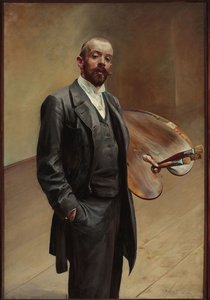
Jacek Malczewski
1854 - 1897 , Polonia
Datos clave
- Artistas Influenciados: ['Joven Polonia']
- Artistas Que Influyeron:
- Jan Matejko
- Artur Grottger
- Fecha De Fallecimiento: 8 de octubre de 1929
- Fecha De Nacimiento: 15 de julio de 1854
- Lugar De Nacimiento: Radom, Polonia
- Movimiento Artístico: Simbolismo
- Nacionalidad: Polaco
- Nombre Completo: Jacek Malczewski
- Obras Notables:
- Melancolía
- Błędne koło
- Natchnienie malarza
Artículos relacionados

El Óleo sobre Lienzo: Historia, Técnica y la Persistencia de un Medio Artístico Atemporal
Descubre la historia y técnica del óleo sobre lienzo. Explora reproducciones fieles hechas a mano, personalización artística y consejos de expertos con OriginalUniqueArt. ¡Colecciona arte con confianza!

Jacek Yerka: Surreal Visions & Nostalgia in Contemporary Polish Painting
Explore the captivating surreal worlds of Jacek Yerka, a leading Polish painter renowned for his meticulous Flemish technique & dreamlike landscapes. Discover his unique style and learn about collecting this exceptional artist's work.

The Enduring Legacy of Oil on Canvas: Technique, History & Aesthetic Impact
Explore the rich history & techniques of oil painting – from Renaissance masters to Impressionism. Discover pigments, layering methods, and why this timeless medium endures. Expert insights for artists & art enthusiasts.

The Enduring Power of Painting: A Historical & Contemporary Exploration of Form and Emotion
Explore the rich history & enduring techniques of oil painting with OriginalUniqueArt. Discover masterpieces, learn about art collecting, and find authentic handmade reproductions crafted by skilled artists.

El Legado Duradero del Óleo sobre Lienzo: Técnica, Historia y Práctica Contemporánea
Descubre la historia y técnica del óleo sobre lienzo. Explora reproducciones fieles hechas a mano, personalización artística y consejos de expertos con .


