Vista previa
 Compartir
 Compartir
 Ver detalles
 Guía
Guía

 Descargar
 Ver artículos similares
 Radiografía
 Presentación de diapositivas
 Estadísticas
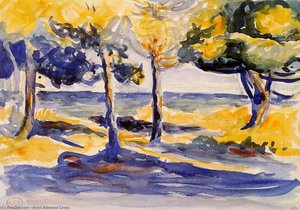
Evening Breeze


 Leer más
Giclée / Impresión de arte
Impresiones giclée o en lienzo de calidad de museo con producción rápida y opciones de acabado flexibles. ( Encargar reproducción pintada a mano Ver versión en imagen digital)




P118B €10

P118H €10

P118W €10

P438Z €10

P508JH €12

P508YH €12

P805H €10

P805Z €10

P919BZ €10

P919G €10

P919XJ €10

P959ZH €10

P968JZ €12

W106C €8

W218G €10

W218JH €8

W218Y €10

W307PJ €10

W316G €10

W316PJ €8

W316Y €10

W398PJ €8

W4111J €10

W500HY €15

W500JH €15

W692G €12

W849H €8

W940BG €15

W953PJ €8




Elija entre nuestros tamaños predefinidos que respetan las proporciones originales de la obra.

Introduzca el ancho y el alto que necesite para adaptarse a su marco o pared. Una impresión solo puede recortarse, nunca hacerse más grande que la imagen original, por lo que un tamaño con una forma distinta perderá parte de la obra. Le enviaremos una maqueta digital para su aprobación antes de realizar cualquier impresión. La imagen que se muestra en esta página no refleja el recorte real; solo la maqueta lo hace.
Envío a todo el mundo () en 2 semanas en lugar de las 4/5 semanas estándar. (25 octubre)

Envío exprés gratuito a todo el mundo

Lienzo de lino de alta calidad

Seguro de envío completo

Garantía de reembolso de impuestos aduaneros

Garantía de fidelidad cromática exacta

Política de devolución de 100 días (solo por defectos)

Garantía de devolución del 100% del dinero

Oferta por volumen
 La opción de vidrio solo está disponible en tamaños inferiores a 110 cm.

Evening Breeze
Giclée / Impresión de arte
Tamaño de la reproducción
-


Precio total
€ 70
A Symphony of Light and Color
In the quiet transition between day and night, where the sun’s warmth lingers against the encroaching cool of the dusk, lies the soul of Henri Edmond Cross’s “Evening Breeze.” Completed between 1893 and 1894, this masterpiece serves as a luminous gateway into the heart of Neo-Impressionism. The painting invites the viewer to a tranquil coastal vista, where the air feels heavy with the scent of salt and the soft hum of twilight. It is not merely a landscape; it is an intellectual and emotional exploration of how we perceive light. As the eye wanders across the canvas, one is immediately struck by the ethereal glow that seems to emanate from within the paint itself, capturing that fleeting, magical moment when the world holds its breath before the stars emerge.
The composition is a masterclass in balance and depth, guiding the observer through a series of carefully layered planes. In the immediate foreground, two reclining female figures rest amidst flowering shrubs, their presence lending a sense of profound peace and human connection to the wildness of the coast. As the gaze moves toward the midground, a solitary figure stands near the trees, acting as a bridge between the intimate foreground and the expansive horizon. Beyond them, the sea stretches toward distant, hazy hills, dotted with the tiny, rhythmic silhouettes of sailboats. This arrangement creates a sense of immense space, drawing the viewer into a world that feels both vast and intimately reachable.
The Science of the Dot: Pointillist Mastery
To understand the brilliance of “Evening Breeze,” one must look closer at the revolutionary technique employed by Cross. Moving away from the spontaneous, blended strokes of traditional Impressionism, Cross embraced Pointillism—a method of applying tiny, distinct dots of pure color side-by-side. This was not merely a stylistic choice but a scientific endeavor. By placing contrasting hues next to one another, Cross relied on the viewer's eye to perform "optical mixing." When standing at a distance, the vibrant oranges, yellows, and pinks of the sunset merge with the deep blues and charcoal greys of the sea and cliffs, creating a shimmering, vibrating effect that traditional pigment blending could never achieve.
This granular texture gives the surface of the painting a unique luminosity. The light does not just sit upon the canvas; it seems to dance within the very structure of the color dots. For the collector or interior designer, this technique offers an unparalleled visual richness. A high-quality reproduction of this work brings a dynamic energy into a room, as the interplay of light and color changes subtly depending on the ambient lighting of the space, much like the real evening breeze that inspired its creation.
Symbolism and Emotional Resonance
Beyond its technical prowess, “Evening Breeze” is steeped in symbolic meaning. The palette itself tells a story of resilience. The somber, dark tones of the rocky shoreline and the deep shadows of the cliffs represent the inevitable approach of darkness and the unknown. Yet, these are punctuated by brilliant, defiant splashes of warmth—the fiery oranges and soft pinks of the setting sun. This juxtaposition serves as a metaphor for vitality and beauty persisting even in the face of encroaching shadows, offering a message of hope and enduring grace.
The atmosphere of the painting is one of profound serenity and contemplation. The figures in repose suggest a state of meditative rest, encouraging anyone who views the piece to pause their own frantic pace and embrace a moment of stillness. For those seeking to curate an environment of sophistication and calm, “Evening Breeze” provides more than just decoration; it provides an emotional sanctuary. It is a timeless tribute to the beauty of the natural world and the enduring power of light to transform our perception of reality.
Preguntas y respuestas
¿Qué nivel de contraste presenta "Evening Breeze" de Henri Edmond Cross?
El nivel de contraste de "Evening Breeze" de Henri Edmond Cross es Balanced.
¿Dónde puedo ver una vista previa de "Evening Breeze"?
Para previsualizar una reproducción de "Evening Breeze" de Henri Edmond Cross, abra la página de Vista previa de la obra.
¿Cómo se describe la paleta de "Evening Breeze" de Henri Edmond Cross?
Los colores de "Evening Breeze" conforman una paleta Earthy. Esta clasificación describe las familias de colores dominantes.
Biografía del artista
Vida Temprana y Educación
- Nacimiento: Douai, Francia (1856)
- Fallecimiento: 1910
- Henri-Edmond-Joseph Delacroix nació en Douai, una comuna en el departamento de Nord en el norte de Francia. Sus padres fueron Alcide Delacroix y la británica Fanny Woollett.
- En 1865, la familia se mudó a Lille. Recibió instrucción artística temprana del Dr. Auguste Soins, quien reconoció su talento y financió lecciones con Carolus-Duran durante un año.
- Estudió en la École des Beaux-Arts e ingresó a las Écoles Académiques de Dessin et d'Architecture en 1878, estudiando bajo Alphonse Colas. Su educación continuó con Émile Dupont-Zipcy después de mudarse a París en 1881.
Carrera Artística Temprana y Cambios de Nombre
- Inicialmente produjo retratos y bodegones influenciados por el Realismo.
- Para distinguirse de Eugène Delacroix, cambió su nombre a "Henri Cross" en 1881.
- Co-fundó la Société des Artistes Indépendants en 1884, mostrando artistas disgustados con el Salón oficial.
- Sus primeras obras mostraron influencias de Jules Bastien-Lepage y Édouard Manet.
- Alrededor de 1886, para diferenciarse de Henri Cros, adoptó el nombre "Henri-Edmond Cross".
Desarrollo del Neoimpresionismo y Obras Clave
- Alrededor de 1886, influenciado por Georges Seurat y Paul Signac, comenzó a explorar el Neoimpresionismo.
- Pasó los inviernos en el sur de Francia desde 1883 en adelante, mudándose permanentemente allí en 1891 debido al reumatismo.
- Desarrolló una "segunda generación" del Neoimpresionismo con pinceladas más grandes y cuadradas en lugar de puntos puntillistas.
- Obras notables incluyen:
- Retrato de sí mismo (pintado alrededor de 1881) - Demuestra influencias realistas tempranas y un homenaje a Gustave Courbet.
- Retratos de Madame Hector France, nacida Irma Clare (alrededor de 1891) – Muestra su adopción del Neoimpresionismo.
- Su trabajo influyó significativamente en Henri Matisse y otros artistas que contribuyeron al desarrollo del Fauvismo.
Influencias y Significado Histórico
- Influencias: Jules Bastien-Lepage, Édouard Manet, Claude Monet, Camille Pissarro, Georges Seurat, Paul Signac.
- Impacto en el Fauvismo: El uso de colores no locales y formas distorsionadas por Cross allanó el camino para las paletas vibrantes y el trabajo expresivo característico de la pintura fauvista.
- Ideología Anarquista: Sus creencias anarquistas se reflejan en sus representaciones de escenas rurales idílicas, promoviendo una visión de coexistencia armoniosa.
Años Posteriores y Legado
- Tuvo su primera exposición individual en la Galerie Druet en 1905.
- Una retrospectiva de su trabajo fue organizada por Félix Fénéon en la Galerie Bernheim-Jeune en 1908.
- Falleció a causa del cáncer en Saint-Clair en 1910.
- Henri Edmond Cross es recordado como una figura clave en el Neoimpresionismo y un precursor significativo del Fauvismo, dejando un impacto duradero en el desarrollo del arte moderno.

Henri Edmond Cross
1856 - 1910 , Francia
Datos clave
- Artistas Influenciados:
- Henri Matisse
- Fauvismo
- Artistas Que Influyeron:
- Jules Bastien-Lepage
- Édouard Manet
- Claude Monet
- Camille Pissarro
- Georges Seurat
- Paul Signac
- Fecha De Fallecimiento: 16 de mayo de 1910
- Fecha De Nacimiento: 20 de mayo de 1856
- Lugar De Nacimiento: Douai, Francia
- Movimiento Artístico: Neoimpresionismo
- Nacionalidad: Francés
- Nombre Completo: Henri Edmond Cross
- Obras Notables:
- Autorretrato (c. 1881)
- Retrato de Madame Hector France
Artículos relacionados

Paul Cézanne: Las 25 Obras Maestras que Definieron el Arte Moderno | OriginalUniqueArt
Descubre las 25 obras maestras de Paul Cézanne que revolucionaron el arte moderno. Explora su técnica, inspiración y significado en paisajes, bodegones y retratos. Reproducciones de alta calidad para decorar tu hogar con arte inolvidable. ¡Explora la colección completa en OriginalUniqueArt.com!

Henri Edmond Cross: A Pioneer of Neo-Impressionism & the Divisionist Aesthetic
Explore the life & art of Henri Edmond Cross, a pivotal Neo-Impressionist painter. Discover his innovative divisionist technique, political affiliations, and lasting influence on modern art movements like Fauvism. Learn about key works & legacy.

Evocations of Place: A Historical Journey Through Landscape Art
Explore the rich history of landscape art with OriginalUniqueArt. Discover renowned artists, movements like Impressionism & tonalism, and expert guidance for collecting timeless pieces. Find your perfect serene escape today!

Evocations of Place: A Historical Journey Through Landscape Art
Explore the rich history of landscape art with OriginalUniqueArt. Discover renowned artists, movements like Impressionism & Romanticism, and expert guidance for collecting timeless pieces. Find your perfect serene escape today!
Henri Matisse: Las 25 Obras Maestras que Definieron un Genio del Color | OriginalUniqueArt
Descubre las 25 obras maestras de Henri Matisse, el rey del color y padre del fauvismo. Explora su arte moderno, lienzos vibrantes y la historia detrás de cada pintura icónica. Encuentra reproducciones de alta calidad en OriginalUniqueArt.com.