

 Ver en contexto
 Enviar
 Compartir
 Detalles

 Descargar
 Similares
 Radiografía
 Presentación de diapositivas
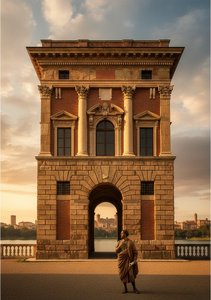
Façade and courtyard view


 Ver más
Giclée / Impresión de arte
Impresiones giclée o en lienzo de calidad de museo con producción rápida y opciones de acabado flexibles. ( Comprar pintura hecha a mano Comprar imagen)




P118B $10

P118H $10

P118W $10

P438Z $10

P508JH $12

P508YH $12

P805H $10

P805Z $10

P919BZ $10

P919G $10

P919XJ $10

P959ZH $10

P968JZ $12

W106C $8

W218G $10

W218JH $8

W218Y $10

W307PJ $10

W316G $10

W316PJ $8

W316Y $10

W398PJ $8

W4111J $10

W500HY $15

W500JH $15

W692G $12

W849H $8

W940BG $15

W953PJ $8




Elija entre nuestros tamaños predefinidos que respetan las proporciones originales de la obra.

Puede introducir sus propias dimensiones para adaptarse a un marco o espacio específico. Si el tamaño seleccionado no coincide con las proporciones de la imagen original, recortaremos la obra de arte o extenderemos la imagen con un borde con efecto espejo o de color sólido. Se enviará una maqueta digital para su aprobación antes de que comience la producción.
Tenga en cuenta que la vista previa en pantalla no refleja el recorte o la extensión real. Solo la maqueta mostrará con precisión la composición final.
Aunque existen tamaños personalizados, recomendamos seleccionar una dimensión de la lista predefinida para preservar las proporciones originales.
Envío a todo el mundo () en 2 semanas en lugar de las 4/5 semanas estándar. (24 agosto)

Envío exprés gratuito a todo el mundo

Lienzo de lino de alta calidad

Seguro de envío total

Garantía de reembolso de impuestos aduaneros

Garantía de fidelidad cromática exacta

Política de devolución de 60 días (solo por defectos)

Garantía de devolución del 100% del dinero

Descuento por cantidad
 La opción de vidrio solo está disponible en tamaños inferiores a 110 cm.

Façade and courtyard view
Giclée / Impresión de arte
Dimensiones de la reproducción
-


Precio total final
$ 80
Descripción de la pieza
A Frozen Moment of Renaissance Grandeur: Exploring Giulio Romano’s “Façade and Courtyard View”
Giulio Romano's "Façade and Courtyard View," painted in 1526, isn’t merely a depiction of architecture; it’s a meticulously crafted illusion, a testament to the burgeoning Mannerist style that challenged the established harmony of the High Renaissance. This remarkable work, now available as a stunning reproduction, offers a captivating glimpse into the world of Federico II Gonzaga and his court in Mantua – a realm where art, architecture, and theatrical spectacle converged with breathtaking ambition. The image itself presents a carefully constructed dialogue between two perspectives: a monochrome, almost ghostly view of an older building alongside a vibrant, color-infused representation of its restored state. This juxtaposition immediately invites contemplation on the passage of time, the nature of preservation, and the enduring power of artistic vision.
The original painting, housed in the Palazzo Te, Mantua, was conceived as part of a larger decorative program for the villa’s expansive grounds. Romano, having been summoned to Mantua by Federico Gonzaga after his time with Raphael in Rome, quickly established himself as the court's principal artist and architect. The palazzo itself—a sprawling complex of interconnected buildings, gardens, and fountains—became a showcase for Romano’s innovative style, blending classical influences with a distinctly Mannerist sensibility. “Façade and Courtyard View” captures this spirit perfectly, demonstrating Romano’s mastery of illusionistic painting and his willingness to push the boundaries of artistic convention.
Mannerism: A Dance of Distortion and Drama
To understand "Façade and Courtyard View," one must grasp the essence of Mannerism. Emerging in the wake of Raphael’s death, it rejected the balanced proportions and serene idealism of the High Renaissance in favor of a more subjective, emotionally charged approach. Mannerist artists sought to create works that were unsettling, ambiguous, and often deliberately distorted – a deliberate departure from the classical ideals of beauty and harmony. Romano embraced this aesthetic with gusto, employing techniques such as elongated figures, exaggerated poses, vibrant colors, and complex spatial arrangements. The painting’s monochrome top image immediately establishes this sense of unease, hinting at decay and neglect, while the color rendition offers a stark contrast – a carefully staged restoration that attempts to recapture a lost grandeur.
Notice how Romano utilizes *trompe-l'oeil* techniques—the art of creating an illusion of three-dimensionality on a two-dimensional surface. The rusticated masonry, with its rough, uneven texture, contrasts sharply with the smooth, polished surfaces of the pilasters and windows. This deliberate juxtaposition creates a dynamic visual tension, drawing the viewer’s eye to specific details and inviting them to question what is real and what is merely an illusion. The subtle shifts in perspective between the two images further enhance this effect, suggesting that we are witnessing not just a building but also a carefully constructed narrative.
Symbolism and the Gonzaga Court
The Palazzo Te itself was designed as a lavish pleasure palace for Federico II Gonzaga, reflecting his wealth, power, and refined taste. The “Façade and Courtyard View” is therefore deeply intertwined with the symbolism of the Gonzaga court. The building’s elaborate decoration—including frescoes depicting mythological scenes, allegorical figures, and portraits of Federico’s ancestors—served to reinforce his authority and celebrate his lineage. The choice of a monochrome image for the older façade suggests a sense of loss and decline, while the color rendition of the restored building symbolizes the Gonzaga family's continued patronage of the arts and their commitment to preserving the legacy of Mantua.
The inclusion of both images—the weathered facade and its vibrant restoration—is particularly significant. It speaks to the cyclical nature of time, the impermanence of beauty, and the enduring human desire to recapture the past. It’s a poignant reminder that art, like memory, can be both cherished and reconstructed.
Bringing Romano's Vision Home
A high-quality reproduction of “Façade and Courtyard View” offers a unique opportunity to bring this extraordinary work into your own space. Whether adorning a formal dining room or a study, this image will serve as a constant source of inspiration—a reminder of the power of artistic vision, the beauty of Mannerist style, and the enduring legacy of Giulio Romano. It’s more than just a painting; it's a portal to a bygone era, a testament to the artistry and ambition of the Gonzaga court.
Biografía del artista
Vida Temprana y Formación
- Nacido: Roma, Italia (c. 1499)
- Fallecido: 1 de noviembre de 1546
- Los detalles de su vida temprana son escasos, pero comenzó su carrera artística en Roma.
- Fue alumno de Rafael, convirtiéndose en un pintor y arquitecto habilidoso.
- Tras la muerte de Rafael en 1520, Giulio Romano se hizo cargo de muchos proyectos inconclusos, incluida la decoración de Villa Madama para el cardenal Giuliano de’ Medici.
Desarrollo del Estilo Manierista
- Giulio Romano es conocido principalmente por sus contribuciones al estilo manierista.
- Su estilo se apartó del clasicismo del Alto Renacimiento.
- Las pinturas y los frescos a menudo presentan asimetría, tensión e inestabilidad en lugar de equilibrio y armonía.
- Influenciado por Miguel Ángel y otros artistas de su tiempo.
- Cada vez se volvió indispensable para Rafael, modificando planes y creando la primera declaración del manierismo a gran escala en Roma.
Obras Principales y Logros
- El Incendio del Borgo: Un fresco pintado para las Stanze Vaticane de Rafael.
- Techo abovedado (Detalle): Un fresco en el Palazzo Te.
- Palazzo del Tè (Mantua): Diseñado y decorado con frescos ilusionistas, mostrando sus habilidades arquitectónicas y artísticas. Esta es considerada su obra más importante.
- Villa Madama: Decoró esta villa renacentista para el cardenal Giuliano de' Medici.
- Se convirtió en pintor y arquitecto de la corte de Federigo Gonzaga en 1524, dirigiendo prácticamente toda la actividad artística en Mantua.
Influencias y Significado Histórico
- Rafael: La formación temprana de Giulio Romano bajo Rafael moldeó significativamente su base artística.
- Miguel Ángel: La influencia del trabajo de Miguel Ángel contribuyó al desarrollo de su estilo manierista.
- Se le considera una figura clave en la transición del Alto Renacimiento al manierismo.
- Sus dibujos fueron muy valorados, y las impresiones contemporáneas grabadas por Marcantonio Raimondi ayudaron a difundir los estilos artísticos italianos por toda Europa.
- El legado de Giulio Romano se puede ver en artistas posteriores que adoptaron su estilo y técnicas.
Vida Posterior y Legado
- Después de la muerte de Rafael, Giulio heredó la dirección del taller del maestro y completó muchos de sus proyectos.
- Era tan famoso después de su muerte que es el único artista "moderno" mencionado por Shakespeare en una obra de teatro.
- Su trabajo demuestra un cambio alejándose de los ideales renacentistas hacia formas más dinámicas y expresivas.
- Las contribuciones de Giulio Romano al manierismo consolidaron su lugar como una figura influyente en la historia del arte.

Giulio Romano
1499 - 1546 , Italia
Datos clave
- Artistas Influenciados: ['Artistas manieristas posteriores']
- Artistas Que Influyeron:
- Rafael
- Miguel Ángel
- Fecha De Fallecimiento: 1546
- Fecha De Nacimiento: c. 1499
- Lugar De Nacimiento: Roma, Italia
- Movimiento Artístico: Manierismo
- Nacionalidad: Italiana
- Nombre Completo: Giulio Romano
- Obras Notables:
- El incendio del Borgo
- Techo abovedado (detalle)
- Palazzo del Tè
Artículos relacionados
Giulio Romano: A Master of Mannerism & the Palazzo Te Legacy
Explore the revolutionary art of Giulio Romano, master of Mannerism & architect of Palazzo Te. Discover his influence, investment potential, and stunning frescoes – a guide for discerning collectors.

Legado en las Paredes: Frescos Familiares que Trascienden el Tiempo
Descubre el arte del fresco muralístico para inmortalizar tu historia familiar. Expertos en frescos personalizados y técnicas ancestrales. Crea un legado visual único con .

The Enduring Legacy of Fresco Painting: Techniques, History & Contemporary Relevance
Explore the rich history & enduring artistry of fresco painting – from Giotto to Michelangelo! Discover techniques, conservation efforts, & modern applications. Learn how OriginalUniqueArt brings this timeless art form to your home.

The Enduring Legacy of Fresco: Technique, History & Artistic Expression Across Cultures
Explore the rich history & enduring legacy of fresco painting! Discover ancient techniques, Giotto's masterpieces, and modern applications. Expert insights for art lovers & professionals.
¿El Arte que Habita Contigo: El Poder Emocional de un Fresco Interior Personalizado?
Descubre el poder emocional de un fresco interior personalizado. Expertos en arte te guían para crear una obra única que refleje tu estilo y valore tu hogar. : calidad, confianza y diseño excepcional.



