Vista previa
 Compartir
 Compartir
 Ver detalles
 Guía
Guía

 Descargar
 Ver artículos similares
 Radiografía
 Presentación de diapositivas
 Estadísticas
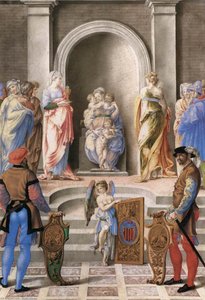
Elymas Struck Blind by St Paul before the Proconsul Sergius Paulus
 Painting
- WallArt
- High Renaissance
 Renaissance
 325.0 x 224.0 cm
 Museo del Louvre
 Leer más
Giclée / Impresión de arte
Impresiones giclée o en lienzo de calidad de museo con producción rápida y opciones de acabado flexibles. ( Encargar reproducción pintada a mano Ver versión en imagen digital)




P118B €10

P118H €10

P118W €10

P438Z €10

P508JH €12

P508YH €12

P805H €10

P805Z €10

P919BZ €10

P919G €10

P919XJ €10

P959ZH €10

P968JZ €12

W106C €8

W218G €10

W218JH €8

W218Y €10

W307PJ €10

W316G €10

W316PJ €8

W316Y €10

W398PJ €8

W4111J €10

W500HY €15

W500JH €15

W692G €12

W849H €8

W940BG €15

W953PJ €8




Elija entre nuestros tamaños predefinidos que respetan las proporciones originales de la obra.

Introduzca el ancho y el alto que necesite para adaptarse a su marco o pared. Una impresión solo puede recortarse, nunca hacerse más grande que la imagen original, por lo que un tamaño con una forma distinta perderá parte de la obra. Le enviaremos una maqueta digital para su aprobación antes de realizar cualquier impresión. La imagen que se muestra en esta página no refleja el recorte real; solo la maqueta lo hace.
Envío a todo el mundo () en 2 semanas en lugar de las 4/5 semanas estándar. (24 octubre)

Envío exprés gratuito a todo el mundo

Lienzo de lino de alta calidad

Seguro de envío completo

Garantía de reembolso de impuestos aduaneros

Garantía de fidelidad cromática exacta

Política de devolución de 100 días (solo por defectos)

Garantía de devolución del 100% del dinero

Oferta por volumen
 La opción de vidrio solo está disponible en tamaños inferiores a 110 cm.

Elymas Struck Blind by St Paul before the Proconsul Sergius Paulus
Giclée / Impresión de arte
Tamaño de la reproducción
-


Precio total
€ 70
A Divine Encounter Captured in Color
In the grand tapestry of the Italian High Renaissance, few moments possess the visceral tension found in Giulio Clovio’s Elymas Struck Blind by St Paul before the Proconsul Sergius Paulus. This masterpiece serves as a breathtaking window into a moment of profound spiritual upheaval, where the earthly and the divine collide with startling clarity. The scene captures the precise instant of a miracle: the sorcerer Elymas is overcome by sudden darkness, his sight stolen by the righteous authority of Saint Paul. Clovio does not merely illustrate a biblical passage; he orchestrates a drama of light and shadow, positioning the viewer directly within the crowded, breathless atmosphere of Paphos. The composition is alive with movement, as figures react to the divine intervention—some recoiling in awe, others leaning in with suspicion or curiosity—creating a rhythmic energy that pulls the eye across the canvas.
The emotional weight of the piece lies in its ability to convey both terror and transcendence. As St Paul performs his divine act, there is an unmistakable sense of gravity; the air seems thick with the weight of judgment. For the modern collector or lover of classical art, this painting offers more than just a historical narrative; it provides a profound meditation on the power of faith and the vulnerability of human perception. The dramatic interplay between the central figures and the surrounding onlookers creates a psychological depth that makes the scene feel perpetually present, as if the miracle is unfolding for the very first time before our eyes.
Mastery of the Renaissance Line and Composition
Giulio Clovio, often celebrated as the "Michelangelo of the miniature," brought a level of sophistication to this larger-scale work that bridged the delicate precision of manuscript illumination with the monumental grandeur of High Renaissance painting. His technique is characterized by an extraordinary command of detail, where every fold of heavy drapery and every expressive gesture is rendered with meticulous care. Clovical influence is evident in the way he handles light; it does not merely illuminate the scene but acts as a narrative tool, highlighting the divine authority of Paul while casting the shadows of confusion over those caught in the wake of the miracle.
Interestingly, Clovio’s approach to this composition was a brilliant act of artistic dialogue. Drawing inspiration from the monumental tapestry cartoons of Raphael, Clovio chose to deliberately invert the composition. This was not a mere stylistic whim but a calculated move to enhance the immediacy and impact of the biblical story. By reconfiguring the spatial relationships between the Proconsul, the Saint, and the sorcerer, he achieved a sense of arresting intimacy. For interior designers seeking to anchor a room with a piece of significant historical weight, this painting offers a sophisticated balance of complex detail and powerful, singular focus, making it an ideal centerpiece for a gallery-style collection or a stately study.
A Legacy of Light and Devotion
To behold this work is to understand the zenith of Clovio’s career. Born in Croatia but flourishing under the patronage of Italian cardinals, Clovio infused his works with a unique blend of Gothic intricacy and Renaissance humanism. In Elymas Struck Blind, we see the culmination of this journey—a painting that uses the physical medium of pigment and light to explore the metaphysical concept of spiritual sight. The symbolism is layered; the blinding of Elymas represents the stripping away of worldly deception to reveal a higher truth, a theme that resonates deeply across centuries.
Owning or displaying a high-quality reproduction of this work allows one to bring this era of intense devotion and artistic innovation into a contemporary space. It serves as a conversation starter, an object of contemplation, and a tribute to the enduring power of the Renaissance spirit. Whether placed in a sunlit salon or a quiet library, Clovio’s dramatic depiction continues to command attention, reminding us of the moments in history when the veil between the seen and the unseen was momentarily torn asunder.
Preguntas y respuestas
¿De qué país proviene la obra del High Renaissance "Elymas Struck Blind by St Paul before the Proconsul Sergius Paulus"?
"Elymas Struck Blind by St Paul before the Proconsul Sergius Paulus" fue creada por Giulio Clovio, nacido en Croacia, dentro del movimiento High Renaissance. El origen del artista vincula la obra al High Renaissance tal como lo practicaban los artistas de Croacia.
¿De qué trata "Elymas Struck Blind by St Paul before the Proconsul Sergius Paulus" y qué atmósfera transmite?
"Elymas Struck Blind by St Paul before the Proconsul Sergius Paulus" de Giulio Clovio representa saint paul, miracle, conversion, blindness, roman proconsul, religious narrative, medieval art, con un ambiente Elegant. El tema y la atmósfera describen juntos la obra.
¿Cuántas personas ven "Elymas Struck Blind by St Paul before the Proconsul Sergius Paulus"?
Las estadísticas sobre "Elymas Struck Blind by St Paul before the Proconsul Sergius Paulus" de Giulio Clovio se encuentran en la página de Estadísticas de la obra: visitas mensuales de la obra, visitas a las obras del artista y desgloses por país e idioma de los visitantes recientes.
Biografía del artista
Una luminaria croata del Renacimiento italiano
Giulio Clovio, nacido como Juraj Julije Klović en 1498 entre las ondulantes colinas de Grižane, Croacia, se erige como una figura fundamental que tiende un puente entre la tradición gótica tardía de la iluminación de manuscritos y el floreciente Renacimiento pleno. Aunque sus orígenes se encontraban en el Reino de Croacia, fue en Italia donde el genio artístico de Clovio floreció verdaderamente, otorgándole renombre como, posiblemente, el más grande iluminador de su época y el último maestro significativo de un linaje que se remontaba a siglos atrás. Su historia es una de talento extraordinario, un mecenazgo astuto y una dedicación inquebrantable para transformar la miniatura en una forma de arte asombrosamente sofisticada.
Los primeros años de la vida de Clovio permanecen envueltos en cierto misterio. Se cree que pudo haber recibido su formación artística inicial en círculos monásticos cerca de Rijeka, pero a la edad de dieciocho años, su ambición lo condujo a Italia. Su entrada en la casa del cardenal Marino Grimani marcó un punto de inflexión; aquí, bajo la guía del cardenal, Clovio perfeccionó sus habilidades como pintor y comenzó a desarrollar la técnica meticulosa que definiría su carrera. Absorbió influencias de los principales artistas de la época —Giulio Romano y Girolamo dai Libri desempeñaron papeles cruciales en la formación de su estilo—, pero rápidamente forjó su propio camino, demostrando una aptitud excepcional para trasladar la grandeza de la pintura renacentista a una escala minúscula.
El arte de la miniatura: Una síntesis de estilos
La maestría de Clovio no consistía simplemente en replicar estilos existentes; se trataba de sintetizarlos. Combinó con maestría la delicada precisión de la iluminación del norte de Europa con las composiciones dinámicas y las paletas de colores vibrantes características de los maestros del Renaciano italiano como Rafael, Miguel Ángel y Tiziano. Esta fusión es particularmente evidente en sus manuscritos iluminados, donde las figuras poseen una cualidad escultórica, los paisajes se retiran hacia una perspectiva atmosférica y cada detalle —desde los pliegues de los ropajes hasta el destello de las joyas— se representa con una exactitud asombrosa.
Su labor para el cardenal Domenico Grimani, que incluye el comentario exquisitamente detallado sobre la Epístola de San Pablo a los Romanos (que ahora se conserva en el Museo Sir John Soane), mostró su talento emergente y consolidó su reputación. Las miniaturas dentro de este manuscrito no son simples ilustraciones; son pinturas en miniatura por derecho propio, rebosantes de poder narrativo y profundidad emocional. La conversión de San Pablo es representada con una intensidad dramática que rara vez se observa en los manuscritos iluminados.
Mecenazgo, viajes y florecimiento artístico
La carrera de Clovio estuvo intrínsecamente ligada a los poderosos mecenas que reconocieron sus capacidades excepcionales. Tras su estancia con la familia Grimani, sirvió en la corte húngara del rey Luis II, creando obras como “El juicio de Paris” y “Lucrecia”. La muerte prematura del rey en la batalla de Mohács impulsó a Clovio de regreso a Roma, donde continuó atrayendo a seguidores influyentes.
Su asociación con el cardenal Alessandro Farnese resultó particularmente fructífera. Fue para Farnese que Clovio creó su obra maestra: las Horas Farnesias, un libro de horas lujosamente iluminado y completado en 1546 tras nueve años de trabajo minucioso. Esta obra cumbre, que reside actualmente en la Biblioteca Morgan de Nueva York, contiene veintiocho miniaturas que representan escenas tanto del Antiguo como del Nuevo Testamento, culminando en un espectacular desplegable de dos páginas que representa la procesión del Corpus Christi en Roma. Las Horas Farnesias no son solo un testimonio de la habilidad técnica de Clovio, sino también un reflejo de su profundo conocimiento de la iconografía renacentista y los temas teológicos.
Un legado iluminado
La influencia de Clovio se extendió más allá del ámbito de la iluminación de manuscritos. Fue una figura respetada en los círculos artísticos, entablando amistad con artistas como Pieter Bruegel el Viejo —quien incluso contribuyó con una miniatura a una de las obras de Clovio— y El Greco, quien pintó varios retratos del maestro iluminador, situándolo junto a Miguel Ángel, Rafael y Tiziano como sus influencias. Estos retratos sirven como poderosas declaraciones visuales sobre la posición de Clovio dentro de la comunidad artística.
Aunque trabajó principalmente en miniatura, el impacto de Clovio en el arte renacentista fue significativo. Elevó el estatus de la iluminación de un oficio artesanal a una bellas artes, demostrando su potencial para la expresión y la virtuosisidad técnica. Su capacidad para capturar el espíritu del Renacimiento pleno dentro de los confines de un formato de pequeña escala aseguró su lugar como uno de los artistas más celebrados de su tiempo: una luminaria croata cuyo legado continúa iluminando el mundo del arte en la actualidad.

Giulio Clovio
1498 - 1578 , Croacia
Datos clave
- Artistic Movement Or Style: Alto Renacimiento
- Artists Or Movements Influenced By This Artist: ['El Greco']
- Artists Who Influenced This Artist:
- Giulio Romano
- Girolamo dai Libri
- Date Of Birth: 1498
- Date Of Death: 5 enero 1578
- Full Name: Giulio Clovio Juraj Julije Klović
- Nationality: Croata-Italiana
- Notable Artworks:
- Horas Farnesio
- Libro de horas de Towneley
- Retrato de Giulio Clovio
- Place Of Birth: Grižane, Croacia
Artículos relacionados
Giulio Romano: A Master of Mannerism & the Palazzo Te Legacy
Explore the revolutionary art of Giulio Romano, master of Mannerism & architect of Palazzo Te. Discover his influence, investment potential, and stunning frescoes – a guide for discerning collectors.

El Greco: Las 25 Obras Maestras que Definen un Genio del Arte y la Fe
Descubre las 25 obras maestras de El Greco, el genio del Renacimiento español. Explora su arte religioso, manierismo y la historia detrás de cuadros icónicos como 'El Entierro del Conde de Orgaz'. Encuentra reproducciones de alta calidad en OriginalUniqueArt.com.

Paul Klee: A Poetics of Form and Color – Exploring the Inner Landscape of a Modern Master
Explore the captivating world of Paul Klee! Discover his innovative art, Bauhaus influence, & unique symbolic language. Expert analysis & high-quality reproductions at OriginalUniqueArt.

Paul Cézanne: Las 25 Obras Maestras que Definieron el Arte Moderno | OriginalUniqueArt
Descubre las 25 obras maestras de Paul Cézanne que revolucionaron el arte moderno. Explora su técnica, inspiración y significado en paisajes, bodegones y retratos. Reproducciones de alta calidad para decorar tu hogar con arte inolvidable. ¡Explora la colección completa en OriginalUniqueArt.com!

Paul Klee: Las 25 Obras Maestras que Definen un Genio del Arte Moderno | OriginalUniqueArt
Descubre las 25 obras maestras de Paul Klee, el genio del arte moderno. Explora su expresionismo único, composiciones abstractas y vibrantes paletas de colores. Reproducciones de alta calidad y decoración con arte en OriginalUniqueArt.com.