

 Ver en contexto
 Enviar
 Compartir
 Detalles
 Guía
Guía

 Descargar
 Similares
 Radiografía
 Presentación de diapositivas
 Estadísticas
Annunciation
 Óleo sobre lienzo
- Arte de pared
- Italian Renaissance
 1564
1564 216.0 x 166.0 cm
 Museo del Louvre
 Ver más
Giclée / Impresión de arte
Impresiones giclée o en lienzo de calidad de museo con producción rápida y opciones de acabado flexibles. ( Comprar pintura hecha a mano Cambiar a imagen digital)




P118B €10

P118H €10

P118W €10

P438Z €10

P508JH €12

P508YH €12

P805H €10

P805Z €10

P919BZ €10

P919G €10

P919XJ €10

P959ZH €10

P968JZ €12

W106C €8

W218G €10

W218JH €8

W218Y €10

W307PJ €10

W316G €10

W316PJ €8

W316Y €10

W398PJ €8

W4111J €10

W500HY €15

W500JH €15

W692G €12

W849H €8

W940BG €15

W953PJ €8




Elija entre nuestros tamaños predefinidos que respetan las proporciones originales de la obra.

Introduzca el ancho y el alto que necesite para adaptarse a su marco o pared. Una impresión solo puede recortarse, nunca hacerse más grande que la imagen original, por lo que un tamaño con una forma distinta perderá parte de la obra. Le enviaremos una maqueta digital para su aprobación antes de realizar cualquier impresión. La imagen que se muestra en esta página no refleja el recorte real; solo la maqueta lo hace.
Envío a todo el mundo () en 2 semanas en lugar de las 4/5 semanas estándar. (27 octubre)

Envío exprés gratuito a todo el mundo

Lienzo de lino de alta calidad

Seguro de envío total

Garantía de reembolso de aranceles aduaneros

Garantía de fidelidad cromática exacta

Política de devolución de 100 días (solo por defectos)

Garantía de devolución del 100% del dinero

Descuento por cantidad
 La opción de vidrio solo está disponible en tamaños inferiores a 110 cm.

Annunciation
Giclée / Impresión de arte
Dimensiones de la reproducción
-


Precio total final
€ 70
The Annunciation: A Renaissance Dialogue of Faith and Form
This exquisite hand-painted reproduction captures the profound moment depicted in Giorgio Vasari’s “Annunciation,” completed in 1564. Measuring 216 x 166 cm, this artwork transcends a simple biblical scene; it is a meticulously crafted meditation on faith, communication, and the divine presence within the human realm. Vasari, a pivotal figure of the Italian Renaissance, masterfully employs the tenets of early Mannerism to create an image brimming with layered meaning and emotional resonance.
- Subject Matter: The painting portrays the iconic Annunciation – the moment the Archangel Gabriel announces to Mary that she will conceive and bear a son, Jesus Christ.
- Style & Technique: Vasari’s approach aligns with the burgeoning Mannerist style of the mid-16th century. Characterized by elongated figures, complex spatial arrangements, and an emphasis on emotional expression over strict realism, this piece showcases his ability to imbue religious subjects with a heightened sense of drama and psychological depth. The application of paint is remarkably detailed, utilizing thin glazes layered upon one another to achieve a luminous quality and subtle gradations of color – a hallmark of Florentine painting at the time.
- Historical Context: Created during a period of intense religious fervor and artistic innovation in Florence, this “Annunciation” reflects the ongoing dialogue between humanism and faith that defined the Renaissance. Vasari’s work was influenced by the artistic currents circulating within the Medici court, where patronage fueled experimentation and encouraged artists to push the boundaries of traditional representation.
Symbolic Layers: Birds, Light, and the Divine
Beyond the immediate narrative, “The Annunciation” is rich in symbolic detail. The presence of birds – scattered throughout the composition, particularly near the upper left corner – is a recurring motif in Renaissance art, often representing the Holy Spirit or divine messengers. Their placement subtly directs the viewer’s eye and reinforces the spiritual significance of the scene. The use of light is equally deliberate; Vasari employs *chiaroscuro*—the dramatic contrast between light and dark—to highlight Mary's face and body, emphasizing her vulnerability and receptiveness to the divine message. The soft, diffused light suggests a heavenly realm, further elevating the spiritual atmosphere.
- Mary’s Pose: Her seated posture, with hands gently folded in prayer, embodies humility and acceptance of God's will.
- Gabriel’s Gesture: The Archangel Gabriel’s outstretched hand signifies his offering of the divine news – a gesture both formal and profoundly intimate.
- Color Palette: The predominantly cool tones—blues, greens, and purples—evoke a sense of serenity and contemplation, while subtle warmer hues highlight key elements like Mary's garments.
Vasari’s Legacy & Emotional Impact
Giorgio Vasari’s “Annunciation” stands as a testament to his artistic skill and his commitment to celebrating the achievements of past masters. This reproduction captures not only the visual beauty of the original but also its profound emotional impact. The scene invites viewers to contemplate themes of faith, obedience, and divine grace. Vasari's meticulous attention to detail and his masterful use of color and composition create a work that is both aesthetically pleasing and spiritually evocative. It’s a piece that speaks across centuries, reminding us of the enduring power of art to connect us with our deepest beliefs.
Size:** 216 x 166 cm Date:** 1564 Artist:** Giorgio Vasari (1511-1574)Preguntas y respuestas
¿Cómo equilibra la luz y la sombra "Annunciation"?
"Annunciation" de Giorgio Vasari presenta un nivel de brillo de sombra profunda, con una luminancia de Sombra suave.
¿Para qué uso se recomienda "Annunciation" de Giorgio Vasari?
Se recomienda utilizar una impresión de "Annunciation" para Pieza de impacto.
¿A qué etapa de la trayectoria de Giorgio Vasari pertenece "Annunciation" (1564)?
La fecha de 1564 sitúa a "Annunciation" en el Mature Renaissance del desarrollo de Giorgio Vasari.
Biografía del artista
Primeros años y formación
Giorgio Vasari, un renombrado pintor, arquitecto, escritor e historiador italiano, nació el 30 de julio de 1511 en Arezzo, Toscana. Comenzó su viaje artístico como discípulo de Guglielmo da Marsiglia, un hábil pintor de vidrieras. A los dieciséis años, Vasari se unió al círculo de Andrea del Sarto y sus alumnos, Rosso Fiorentino y Jacopo Pontormo, en Florencia.Carrera artística
Las propias pinturas manieristas de Vasari fueron muy admiradas durante su vida. En 1529, visitó Roma, donde estudió las obras de Rafael y otros artistas del Alto Renacimiento romano. Algunas de sus obras notables incluyen:- El taller del pintor (fresco, 1548), ubicado en Casa Vasari, Arezzo, Italia (ver en OriginalUniqueArt)
- El Juicio Final (fresco, 1572), en la cúpula de la catedral de Florencia
- La Adoración de los Magos (pintura al óleo, 1566), en la iglesia de Santa Croce, Florencia (más en OriginalUniqueArt)
Contribuciones arquitectónicas
Los logros arquitectónicos de Vasari incluyen:- La logia del Palazzo degli Uffizi, Florencia, que funciona como una plaza pública
- El Corredor de Vasari, que conecta los Uffizi con el Palazzo Pitti en Florencia (explorar en OriginalUniqueArt)
- La renovación de iglesias medievales, como Santa Maria Novella y Santa Croce
Legado
Vasari a menudo se le llama "el primer historiador del arte" debido a su libro Vidas de los más excelentes pintores, escultores y arquitectos italianos, que sigue siendo un texto fundamental en la escritura histórico-artística. Murió el 27 de junio de 1574 en Florencia, Gran Ducado de Toscana, a la edad de 62 años. Descubre más sobre la vida y obra de Giorgio Vasari en OriginalUniqueArt: Giorgio Vasari | 72 obras de arte
Giorgio Vasari
1511 - 1574 , Italia
Datos clave
- Artistas Que Influyeron:
- Rafael
- Miguel Ángel
- Estilo Artístico: Manierismo
- Fecha De Muerte: 27 de junio de 1574
- Fecha De Nacimiento: 30 de julio de 1511
- Lugar De Nacimiento: Arezzo, Italia
- Nacionalidad: Italiana
- Nombre Completo: Giorgio Vasari
- Obras Notables:
- El taller del pintor
- El Juicio Final
- La Adoración de los Magos
Artículos relacionados
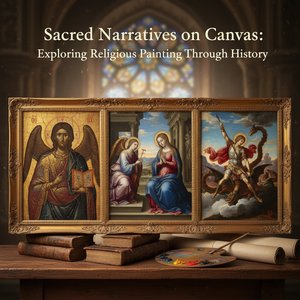
Sacred Narratives on Canvas: Exploring Religious Painting Through History
Explore the rich history of religious painting with OriginalUniqueArt.com! Discover iconic artworks, symbolism & techniques from antiquity to the Renaissance. Enhance your art appreciation today.
Giotto di Bondone: Las 25 Obras Maestras que Definieron el Renacimiento | OriginalUniqueArt
Descubre las 25 obras maestras de Giotto di Bondone, el pionero del Renacimiento. Explora la historia, técnica y simbolismo de sus frescos italianos más icónicos. Encuentra reproducciones de arte exclusivas para decorar tu hogar en OriginalUniqueArt.com.

Fra Angelico: Las 25 Obras Maestras del Renacimiento para Decorar con Arte y Fe
Descubre las 25 obras maestras de Fra Angelico, el pintor renacentista que llenó el arte sacro de luz y fe. Explora su técnica, simbolismo y belleza en frescos e iconos. Encuentra reproducciones de alta calidad para decorar tu hogar con OriginalUniqueArt.com.
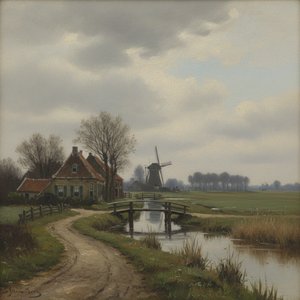
Jacob Henricus Maris: A Master of Dutch Atmospheric Realism & the Intimate Landscape
Explore the captivating world of Jacob Henricus Maris, a leading figure of the Dutch Hague School. Discover his atmospheric landscapes, signature brushstrokes & lasting influence on 19th-century art. Learn more at OriginalUniqueArt.
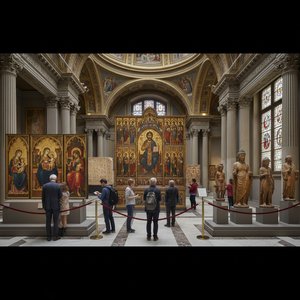
Sacred Narratives Embodied: A Comprehensive Exploration of Religious Iconography in Art History
Explore the rich history of religious iconography in art! Discover symbolism, movements & masterpieces from Byzantine to Renaissance periods. Expert insights for collectors and enthusiasts at OriginalUniqueArt.


