Vista previa
 Compartir
 Compartir
 Ver detalles
 Guía
Guía

 Descargar
 Ver artículos similares
 Radiografía
 Presentación de diapositivas
 Estadísticas
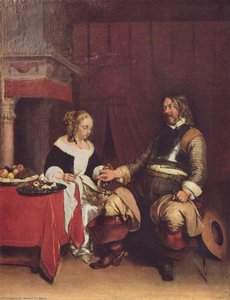
LE GALANT MILITAIRE


 Leer más
Reproducción al óleo hecha a mano
Óleo sobre lienzo pintado a mano en el tamaño y marco de su elección, realizado por encargo por nuestros artistas. ( Cambiar a formato impreso Ver versión en imagen digital)




P118B $10

P118H $10

P118W $10

P438Z $10

P508JH $12

P508YH $12

P805H $10

P805Z $10

P919BZ $10

P919G $10

P919XJ $10

P959ZH $10

P968JZ $12

W106C $8

W218G $10

W218JH $8

W218Y $10

W307PJ $10

W316G $10

W316PJ $8

W316Y $10

W398PJ $8

W4111J $10

W500HY $15

W500JH $15

W692G $12

W849H $8

W940BG $15

W953PJ $8




Elija entre nuestros tamaños predefinidos que respetan las proporciones originales de la obra.

Puede ingresar sus propias dimensiones para adaptarse a un marco o espacio específico. Si el tamaño seleccionado no coincide con las proporciones de la imagen original, recortaremos la obra o extenderemos la pintura con elementos adicionales pintados a mano. Se le enviará una maqueta digital para su aprobación antes de comenzar la producción.
Tenga en cuenta que la vista previa en pantalla no refleja el recorte o la extensión reales. Solo la maqueta mostrará con precisión la composición final.
Si bien existen tamaños personalizados, recomendamos seleccionar una dimensión de la lista predefinida para preservar las proporciones originales.
Tras realizar el pedido, el equipo de OriginalUniqueArt.com enviará un correo electrónico al cliente para solicitar instrucciones y proporcionarle una vista previa del boceto.
Envío a todo el mundo () en 3-4 semanas en lugar de las 5 semanas estándar. (21 septiembre). Sin comprometer la calidad.

Envío exprés gratuito a todo el mundo

Lienzo de lino de alta calidad

Seguro de envío completo

Garantía de reembolso de impuestos aduaneros

Garantía de fidelidad cromática exacta

Política de devolución de 100 días (solo por defectos)

Garantía de devolución del 100% del dinero

Oferta por volumen
 La opción de vidrio solo está disponible en tamaños inferiores a 110 cm.

LE GALANT MILITAIRE
Técnica de reproducción
Tamaño de la reproducción
-


Precio total
$ 325
A Quiet Encounter in the Golden Age
In the soft, amber glow of a seventeenth-century Dutch interior, Gerard ter Borch captures a moment that feels both profoundly private and eternally suspended. LE GALANT MILITAIRE is not merely a painting; it is an invitation into a whispered conversation, a masterclass in the art of the subtle. As we gaze upon this scene, we find ourselves seated at the edge of a domestic sanctuary, witnessing a delicate dance between a young woman and a man whose military attire hints at a world of duty and distant travels. The composition draws the eye inward, centering our attention on the intimate proximity of these two figures, while the warmth of the hearth in the background provides a sense of security and domestic peace.
Ter Borch, a pioneer of Dutch genre painting, possessed an uncanny ability to elevate the mundane into the magnificent. Here, the subject matter transcends a simple meeting; it embodies the burgeoning fascination of the Dutch Golden Age with the nuances of human interaction. The man, likely a soldier on leave or a gentleman of high standing, presents himself with a certain gallantry that justifies the painting's title. There is a palpable tension in the air—a mixture of tenderness and social decorum—that makes the viewer feel like an accidental witness to a secret shared between hearts.
The Mastery of Texture and Light
To behold this work is to experience a tactile journey through the medium of oil on canvas. Ter Borch’s technique is nothing short of extraordinary, characterized by an unwavering commitment to realism that defies the limitations of the brush. He does not simply paint fabric; he breathes life into it. One can almost feel the heavy, luxurious drape of the woman's garments and the crisp, structural presence of the man's military attire. His mastery lies in the meticulous layering of glazes, which allows light to penetrate the surface and reflect back, creating a luminous quality that mimics the true behavior of light hitting silk, stone, and skin.
< p>The color palette is a sophisticated arrangement of earthy, muted tones—creams, deep browns, and subtle ochres—interrupted only by the occasional, meaningful splash of red or the bright zest of fruit. This restrained use of color ensures that the focus remains on the interplay of light and shadow. The lighting itself appears to emanate from an unseen source within the room, casting gentle, soft-edged shadows that define the contours of a face or the curve of a piece of fruit, lending the entire scene a dreamlike, atmospheric depth.Symbolism and the Soul of the Canvas
Beyond its visual splendor, LE GALANT MILITAIRE is rich with the symbolic language of the seventeenth century. In the Dutch tradition, every element placed upon a table or tucked into a corner often carried a weight of meaning. The presence of fruit, for instance, serves as a subtle nod to the prosperity and economic vitality of the Dutch Republic, yet it can also hint at the fleeting nature of youth and pleasure. Even the title suggests a performance of character—the gallant soldier navigating the complexities of courtship within the safe confines of a domestic setting.
For the discerning collector or the interior designer, this piece offers more than just aesthetic beauty; it offers an emotional anchor. It brings a sense of historical gravity and refined elegance to any space. Whether placed in a sunlit gallery or a moody, contemporary study, the painting radiates a quiet sophistication. It is a work that rewards repeated viewing, revealing new layers of detail—a subtle facial expression, a glint of light on a metal plate, or the texture of a stone mantel—each time deepening our connection to this timeless moment of human connection.
Biografía del artista
Vida y Primeros Años
Gerard ter Borch, también conocido como Gerard Terburg, nació en diciembre de 1617 en Zwolle, Países Bajos. Provenía de una familia con inclinaciones artísticas; su padre, Gerard ter Borch el Viejo, era un artista y poeta que fomentó el talento de su hijo desde temprana edad. Se sabe que viajó extensamente por Europa, incluyendo Inglaterra, Alemania, Francia, España e Italia, lo cual amplió sus horizontes artísticos y le expuso a diversas influencias culturales.
Desarrollo Artístico y Estilo
Ter Borch recibió su primera formación artística de su padre y posteriormente estudió con Pieter de Molijn en Haarlem. Su estilo se caracterizó por una observación meticulosa de la vida cotidiana, capturando escenas domésticas con gran realismo y atención al detalle. Se distinguió por su habilidad para representar texturas, luces y sombras, creando atmósferas íntimas y evocadoras. Su obra temprana muestra influencias de Pieter Codde y Willem Duyster, especialmente en sus representaciones de guardacaminos. Sin embargo, evolucionó hacia un estilo más refinado y elegante, con interiores serenos y figuras retratadas con una sutil psicología.
Obras Destacadas y Logros
- La Carta: Una obra maestra que ejemplifica su habilidad para capturar la textura de los tejidos y el juego de luces.
- La Conversación Galante: Grabada por Johann Georg Wille, esta pieza destaca su capacidad para transmitir emociones sutiles a través de la expresión facial y el lenguaje corporal.
- Joven Jinete (1634): Una obra temprana que demuestra su talento emergente en la representación de figuras ecuestres.
- La Llegada de Adrián Pauw a Münster (1646): Un trabajo significativo que resalta sus habilidades narrativas y su capacidad para representar eventos históricos con detalle.
Influencia e Importancia Histórica
Gerard ter Borch ejerció una influencia considerable sobre otros pintores holandeses, incluyendo a Gabriel Metsu, Gerrit Dou, Eglon van der Neer y Johannes Vermeer. Su enfoque innovador en la pintura de género sentó las bases para el desarrollo posterior del arte holandés. Su habilidad para crear atmósferas íntimas y realistas, junto con su atención al detalle y su sutil psicología, lo convirtieron en una figura clave en la historia del arte.
Legado y Reconocimiento
Ter Borch falleció el 8 de diciembre de 1681 en Deventer. Su obra se encuentra actualmente en importantes museos e instituciones alrededor del mundo, incluyendo El Hermitage (con seis obras), el Museo de Berlín (con seis piezas) y el Getty Center (con tres pinturas). Su legado perdura como uno de los pintores más importantes del Siglo de Oro holandés, reconocido por su contribución a la pintura de género y su influencia en generaciones posteriores de artistas.

Gerard ter Borch
1617 - 1681 , Países Bajos
Datos clave
- Artistas Que Influyeron: ['Pieter de Molijn']
- Estilo Artístico: Pintura de género holandesa
- Fecha De Muerte: 8 de diciembre de 1681
- Fecha De Nacimiento: Diciembre 1617
- Influenciado A Artistas:
- Gabriel Metsu
- Gerrit Dou
- Eglon van der Neer
- Johannes Vermeer
- Lugar De Nacimiento: Zwolle, Países Bajos
- Nacionalidad: Neerlandés
- Nombre Completo: Gerard ter Borch
- Obras Notables:
- La carta
- Conversación galante
- Joven a caballo (1634)
- Llegada de Adrián Pauw en Münster
Artículos relacionados

Reflejos de una Época Dorada: La Pintura Barroca Holandesa y la Innovación Cultural
Descubra la riqueza y el detalle de la pintura barroca holandesa del Siglo de Oro. Explore las obras maestras de Rembrandt, Vermeer y otros artistas clave. Análisis experto e historia cultural.

Los 10 Maestros del Siglo de Oro Holandés: Arte, Historia y Decoración Exclusiva
Descubre los 10 imprescindibles del Siglo de Oro Holandés: Rembrandt, Vermeer y más. Explora la historia, técnica y belleza de estos lienzos clásicos. Encuentra reproducciones de arte exclusivas para decorar tu hogar en .

Mastering Light & Shadow: A Journey Through the Dutch Golden Age's Luminous Legacy
Embark on a cultural journey through the Dutch Golden Age. Explore the masterful interplay of light and shadow in 17th-century masterpieces, from Rembrandt to Vermeer, and discover how this era of profound realism continues to inspire fine art collectors today.

Golden Light & Dutch Skies: The Timeless Magic of Dutch Golden Age Landscapes
Discover the breathtaking beauty of Dutch Golden Age landscapes. Explore the mastery of light, chiaroscuro, and 17th-century realism through an expert art history lens, celebrating the enduring legacy of the Dutch Masters for discerning collectors and art lovers.

Gerard ter Borch: Intimacy & Light in the Dutch Golden Age
Explore the captivating world of Gerard ter Borch, a master of Dutch Golden Age genre painting. Discover his intimate scenes, masterful light, and lasting influence on art history. Learn more at OriginalUniqueArt.