

 Ver en contexto
 Enviar
 Compartir
 Detalles

 Descargar
 Similares
 Radiografía
 Presentación de diapositivas
 Estadísticas
The Violin
 Oil On Canvas
- WallArt
- Cubist Fragmentation
 1914
1914- Modern
 92.0 x 60.0 cm
 Ver más
Giclée / Impresión de arte
Impresiones giclée o en lienzo de calidad de museo con producción rápida y opciones de acabado flexibles. ( Comprar pintura hecha a mano Cambiar a imagen digital)




P118B $10

P118H $10

P118W $10

P438Z $10

P508JH $12

P508YH $12

P805H $10

P805Z $10

P919BZ $10

P919G $10

P919XJ $10

P959ZH $10

P968JZ $12

W106C $8

W218G $10

W218JH $8

W218Y $10

W307PJ $10

W316G $10

W316PJ $8

W316Y $10

W398PJ $8

W4111J $10

W500HY $15

W500JH $15

W692G $12

W849H $8

W940BG $15

W953PJ $8




Elija entre nuestros tamaños predefinidos que respetan las proporciones originales de la obra.

Puede introducir sus propias dimensiones para adaptarse a un marco o espacio específico. Si el tamaño seleccionado no coincide con las proporciones de la imagen original, recortaremos la obra de arte o extenderemos la imagen con un borde con efecto espejo o de color sólido. Se enviará una maqueta digital para su aprobación antes de que comience la producción.
Tenga en cuenta que la vista previa en pantalla no refleja el recorte o la extensión real. Solo la maqueta mostrará con precisión la composición final.
Aunque existen tamaños personalizados, recomendamos seleccionar una dimensión de la lista predefinida para preservar las proporciones originales.
Envío a todo el mundo () en 2 semanas en lugar de las 4/5 semanas estándar. (12 septiembre)

Envío exprés gratuito a todo el mundo

Lienzo de lino de alta calidad

Seguro de envío total

Garantía de reembolso de impuestos aduaneros

Garantía de fidelidad cromática exacta

Política de devolución de 100 días (solo por defectos)

Garantía de devolución del 100% del dinero

Descuento por cantidad
 La opción de vidrio solo está disponible en tamaños inferiores a 110 cm.

The Violin
Giclée / Impresión de arte
Dimensiones de la reproducción
-


Precio total final
$ 80
A Symphony of Fragments: Reimagining the Violin
In the quiet tension of Georges Braque’s 1914 masterpiece, The Violin, we encounter more than a mere musical instrument; we witness the very moment the mirror of traditional reality was shattered and reassembled. This work stands as a cornerstone of Synthetic Cubism, a period where the artist moved beyond simply breaking objects apart to building them back up through a complex language of signs and textures. The violin, a universal symbol of lyrical beauty and human emotion, is stripped of its literal form and instead presented as a rhythmic arrangement of geometric planes. As one gazes upon the composition, the eye does not rest on a single, stable object but rather dances across overlapping surfaces—cubes, cylinders, and cones—that challenge our fundamental understanding of space and depth.
The painting’s stark, luminous background acts as a deliberate void, a white expanse that forces the viewer to confront the intricate, fractured anatomy of the instrument itself. Braque utilizes a sophisticated palette of muted earthy tones—rich ochres, deep browns, and subtle shadows—to lend a sense of tactile weight to the fragmented pieces. There is a profound materiality in his brushwork; one can almost feel the grain of the wood and the tension of the strings through the layered application of paint. This technique creates a sensory experience that transcends sight, inviting the collector to appreciate the structural rhythm and the "geometric truth" hidden beneath the surface of everyday objects.
The Intersection of Science and Soul
To understand The Violin, one must look toward the intellectual tremors felt across Europe in 1914. This was an era defined by radical shifts in thought, most notably Einstein’s theory of relativity, which dismantled the Newtonian concept of a fixed, predictable universe. Braque, much like his contemporary Pablo Picasso, sought to translate this new, fluid reality onto the canvas. By rejecting the single-point perspective that had dominated Western art since the Renaissance, Braque offers us multiple viewpoints simultaneously. He captures not just how an object looks from one angle, but how it exists in our memory and consciousness—a fragmented, multi-dimensional experience of time and space.
For the discerning interior designer or art enthusiast, this piece offers a profound emotional resonance. It is a work of intellectual depth that provides a sophisticated focal point for any modern space. The composition possesses a quiet, contemplative energy, making it an ideal selection for environments that value both avant-garde history and understated elegance. Whether placed in a sunlit gallery or a contemporary living room, The Violin serves as a conversation starter—a window into a period of immense cultural upheaval and a testament to the enduring power of human creativity to find order amidst complexity.
Biografía del artista
**vida temprana y formación**
georges braque, un destacado pintor francés, collageador, dibujante, grabador y escultor, nació el 13 de mayo de 1882 en Argelo, Val-d'Oise. Creció en Le Havre y inicialmente se formó para ser pintor de casas y decorador, como su padre y abuelo. Sin embargo, las inclinaciones artísticas de Braque lo llevaron a estudiar pintura en la École des Beaux-Arts en Le Havre de 1897 a 1899.**evolución artística y fauvismo**
En 1902, después de completar su aprendizaje con un decorador en París, Braque asistió a la Academia Humbert hasta 1904. Este período marcó su introducción al fauvismo, un estilo caracterizado por colores vibrantes y respuestas emocionales. Influenciado por las obras de henri matisse y andré derain, Braque adoptó un enfoque fauvista, como se ve en su pintura the patience (fauvismo, óleo sobre lienzo).**contribución al cubismo**
La colaboración de Braque con pablo picasso desde 1908 hasta 1912 llevó al desarrollo del cubismo. Sus obras cubistas analíticas, como georges braque: the patience y pablo picasso: clarinet(cubismo analítico, óleo sobre lienzo), se consideran hitos en la historia del arte.**legado y obras notables**
* Houses at l'Estaque: un testimonio del uso innovador de la geometría y la perspectiva simultánea de Braque. * The Patience(fauvismo, óleo sobre lienzo): demuestra el estilo fauvista de Braque. * Clarinet(cubismo analítico, óleo sobre lienzo): una obra cubista colaborativa con Picasso.**museos y colecciones**
* Musée d'Orsay: presenta una extensa colección de arte impresionista y postimpresionista, incluyendo obras de Braque. * Musée de l'Orangerie: exhibe una amplia gama de obras de arte, incluyendo las de Braque y otros artistas notables.- Descubra más sobre la vida y obra de Georges Braque en OriginalUniqueArt.com
- Explore la colección del Musée d'Orsay, que presenta obras de Braque y otros artistas, en Musée d'Orsay - Wikipedia
- Aprenda más sobre el fauvismo y su influencia en el desarrollo del cubismo con el movimiento artístico fauvista en OriginalUniqueArt.com
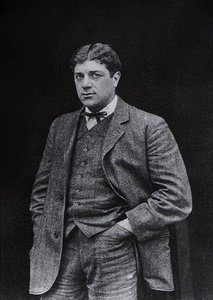
Georges Braque
1882 - 1963 , Francia
Datos clave
- Artistas Influenciados Por Este Artista: ['Pablo Picasso']
- Artistas Que Influyeron:
- Henri Matisse
- André Derain
- Paul Cézanne
- Fecha De Muerte: 31 de agosto de 1963
- Fecha De Nacimiento: 13 de mayo de 1882
- Lugar De Nacimiento: Argenteuil, Francia
- Movimiento Artístico: Cubismo, Fauvismo
- Nacionalidad: Francés
- Nombre Completo: Georges Braque
- Obras Notables:
- Casas en L'Estaque
- La paciencia (Fauvismo)
- Violin y Paleta
- Mandola
Artículos relacionados
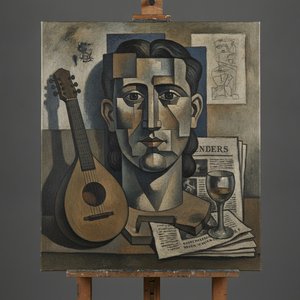
Mastering Cubism: The Top 25 Essential Georges Braque Artworks
Journey through the revolutionary world of Georges Braque. Explore 25 iconic Cubist masterpieces, from geometric abstractions to Fauvist colors. Find inspiration for your collection with museum-quality art reproductions and curated decor ideas. Discover all masterpieces on OriginalUniqueArt.com.
Los 10 Cuadros Más Famosos en Tonos Arena: Historia y Decoración con Arte
Descubre los 10 cuadros más emblemáticos en tonos arena, desde Monet a Van Gogh. Explora la historia del arte impresionista y encuentra inspiración para decorar con obras maestras atemporales. Reproducciones de museo en .
Earth & Elegance: Top 10 Famous Paintings Dominated by Clay Tones
Immerse yourself in the warmth of earth tones. Explore 10 iconic paintings defined by clay, ochre, and terracotta hues. From classical masters to timeless textures, find inspiration for your decor with museum-quality reproductions. Discover all masterpieces on OriginalUniqueArt.com.
10 Masterpieces Defined by Earthy Driftwood Tones
Immerse yourself in the serene beauty of earthy driftwood tones. Explore 10 iconic masterpieces, from Impressionist landscapes to timeless classics, and find inspiration for your decor with museum-quality reproductions. Discover all masterpieces on OriginalUniqueArt.com.
Los 10 Cuadros Más Famosos en Tonos 'Hongo': Arte, Historia y Decoración
Descubre los 10 cuadros más emblemáticos en tonos tierra y ocres. Explora la historia, artistas como Monet y Van Gogh, e inspírate para decorar con arte atemporal. Reproducciones de museo en .


