Vista previa
 Compartir
 Compartir
 Ver detalles
 Guía
Guía

 Descargar
 Ver artículos similares
 Radiografía
 Presentación de diapositivas
 Estadísticas
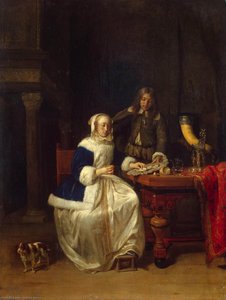
The Letter-Writer Surprised
 Oil
Oil- WallArt
- Baroque Dutch Painting
 1662
1662- Early Modern
 45.0 x 39.0 cm
 The Wallace Collection
 Leer más
Reproducción al óleo hecha a mano
Óleo sobre lienzo pintado a mano en el tamaño y marco de su elección, realizado por encargo por nuestros artistas. ( Cambiar a formato impreso Ver versión en imagen digital)




P118B €10

P118H €10

P118W €10

P438Z €10

P508JH €12

P508YH €12

P805H €10

P805Z €10

P919BZ €10

P919G €10

P919XJ €10

P959ZH €10

P968JZ €12

W106C €8

W218G €10

W218JH €8

W218Y €10

W307PJ €10

W316G €10

W316PJ €8

W316Y €10

W398PJ €8

W4111J €10

W500HY €15

W500JH €15

W692G €12

W849H €8

W940BG €15

W953PJ €8




Elija entre nuestros tamaños predefinidos que respetan las proporciones originales de la obra.

Escriba el ancho y el alto que necesite para adaptarse a su marco o a su pared. Al ser una obra pintada a mano, para un tamaño con una forma distinta, el artista puede pintar un poco más alrededor de la imagen o recortar un poco; usted elige. Le enviaremos una maqueta digital para su aprobación antes de comenzar la pintura. La imagen que se muestra en esta página no refleja el resultado real; solo la maqueta lo hace.
Tras realizar el pedido, el equipo de OriginalUniqueArt.com enviará un correo electrónico al cliente para solicitar instrucciones y proporcionarle una vista previa del boceto.
Envío a todo el mundo () en 3-4 semanas en lugar de las 5 semanas estándar. (24 octubre). Sin comprometer la calidad.

Envío exprés gratuito a todo el mundo

Lienzo de lino de alta calidad

Seguro de envío completo

Garantía de reembolso de impuestos aduaneros

Garantía de fidelidad cromática exacta

Política de devolución de 100 días (solo por defectos)

Garantía de devolución del 100% del dinero

Oferta por volumen
 La opción de vidrio solo está disponible en tamaños inferiores a 110 cm.

The Letter-Writer Surprised
Técnica de reproducción
Tamaño de la reproducción
-


Precio total
€ 263
A Quiet Intrusion: The Intimacy of Metsu’s Masterpiece
In the soft, amber glow of a seventeenth-century Dutch interior, a single moment is suspended in time, caught between the act of creation and the sting of discovery. Gabriel Metsu’s “The Letter-Writer Surprised,” painted around 1662, is far more than a mere domestic scene; it is a psychological drama played out in the hushed tones of a bourgeois home. As we gaze upon the woman seated at her desk, her focus entirely consumed by the parchment before her, we feel the weight of the unseen observer. The painting invites us into a world where every fold of fabric and every flicker of candlelight tells a story of secret thoughts and social boundaries. For the collector or the lover of fine art, this work offers a profound window into the Dutch Golden Age, capturing that delicate, fleeting instant when privacy is breached by a sudden, unexpected presence.
The composition is a masterclass in the Baroque use of chiaroscuro, where light does not merely illuminate but actively sculpts the narrative. Metsu employs a dramatic contrast between deep, velvety shadows and luminous highlights to draw the eye toward the central figures. The light spills across the woman’s linen attire and the textured surface of the wooden table, lending an almost tactile realism to the scene. This technique, reminiscent of the legendary Vermeer, creates a sense of three-dimensional depth that pulls the viewer into the room. One can almost hear the scratch of the quill against paper and the heavy silence that follows the man's sudden appearance. The presence of objects like the violin resting nearby and the glint of a wine glass adds layers of sensory richness, suggesting a life of cultured leisure interrupted by a moment of tension.
Symbolism and the Art of Observation
Beyond its technical brilliance, “The Letter-Writer Surprised” is rich with the symbolic language characteristic of the Dutch genre painting. The act of letter writing itself was often a metaphor for intimacy, longing, and the exchange of private emotions. By placing a man in the periphery—seemingly attentive yet subtly distanced—Metsu explores the complex interplay between presence and absence. Is he a protector, or is his gaze an intrusion? This ambiguity is what gives the painting its enduring emotional impact. The carefully placed books and musical instruments serve as emblems of a refined, intellectual lifestyle, yet they also ground the scene in a tangible reality that resonates with anyone who appreciates the beauty of domestic tranquility.
For those looking to bring a sense of historical elegance and contemplative depth into a contemporary space, this masterpiece serves as an incomparable focal point. Whether placed in a sunlit study or a sophisticated dining room, a high-quality reproduction of Metsu’s work commands attention through its quiet power. It does not shout for recognition; instead, it rewards the patient observer with subtle nuances of expression and a timeless atmosphere of grace. To possess such a piece is to hold a fragment of history—a beautifully rendered testament to the human desire to capture the ephemeral beauty of life's most private moments.
Preguntas y respuestas
¿Para quién se sugiere "The Letter-Writer Surprised" como regalo y para qué uso?
Se sugiere "The Letter-Writer Surprised" como un regalo para Anniversary, pensando en Statement.
¿A qué época pertenece "The Letter-Writer Surprised"?
"The Letter-Writer Surprised" pertenece a la época Early Modern.
¿Cuántas personas ven "The Letter-Writer Surprised"?
Existe una página de Estadísticas para "The Letter-Writer Surprised". En ella se registran las visitas mensuales de la obra y de otras obras del artista, con desgloses por país e idioma.
Biografía del artista
Una Vida de Exploración Artística: Gabriël Metsu
- Nacimiento: Leiden, Países Bajos (1629)
- Fallecimiento: 1667
Primeros Años e Influencias
Gabriël Metsu vivió una vida marcada por la exploración artística y la innovación. Nacido en 1629, era hijo de Jacques Metsu, un fabricante de tapices y pintor originario de Hainault. Este trasfondo diverso probablemente influyó en su temprano interés en diversas técnicas artísticas. La mudanza familiar a Leiden lo expuso a numerosas influencias culturales.
Carrera Artística: Un Estilo Ecléctico
La carrera de Metsu se caracterizó por una adhesión a ningún estilo o técnica única, ganándose el título de "un artista altamente ecléctico". Su obra abarcó pinturas históricas, bodegones, retratos y obras de género. Notablemente, solo 14 de sus 133 obras conocidas están fechadas, lo que deja mucho por descubrir sobre su proceso creativo.
- Primeras Influencias: La influencia de Rembrandt van Rijn en la obra temprana de Metsu es evidente en su uso de la luz y el color.
- Período de Ámsterdam (a partir de 1655): Su traslado a Ámsterdam marcó un cambio hacia interiores domésticos y escenas de género, con mayor énfasis en el detalle y el realismo.
- Formación y Mentoría: Formó a Michiel van Musscher y Joost van Geel, lo que refleja su compromiso con la comunidad artística.
Obras Notables y Desarrollo Artístico
Las pinturas de Metsu a menudo presentaban mujeres jóvenes, escenas de mercado y ancianos, basándose en los emblemas populares de la época. Su estilo evolucionó a lo largo de su carrera, demostrando un dominio de diversas técnicas.
- El Niño Enfermo (c. 1664): Esta obra refleja la admiración de Metsu por el meticuloso detalle y el uso de la luz de Johannes Vermeer.
- Retrato de la Familia Hinlopen: Una obra maestra que combina la pintura de género con el retrato, mostrando su capacidad para capturar tanto el carácter individual como la vida doméstica.
- El Hijo Pródigo (c. 1640): Demuestra una influencia barroca con su composición dramática y ricos detalles.
- Temas Recurrentes: Metsu representó frecuentemente escenas de la vida cotidiana, a menudo imbuídas de significado simbólico.
Significado Histórico y Legado
El legado de Gabriël Metsu reside en su versatilidad y contribución a la Edad de Oro holandesa. Su estilo ecléctico, aunque a veces enigmático, influyó en generaciones posteriores de artistas. Hoy en día, sus obras se conservan en prestigiosos museos de todo el mundo.
- Pintor de la Edad de Oro Holandesa: Es reconocido como una figura significativa dentro del vibrante panorama artístico del siglo XVII neerlandés.
- Colecciones de Museos: Sus pinturas se pueden encontrar en varios museos, incluido el Rijksmuseum de Ámsterdam.
- Apreciación Continua: El arte de Metsu continúa fascinando e inspirando a los espectadores con su realismo, detalle y sutiles narrativas.

Gabriel Metsu
1629 - 1667 , Países Bajos
Datos clave
- Artistas Que Influyeron: ['Rembrandt van Rijn']
- Fecha De Fallecimiento: 1667
- Fecha De Nacimiento: 1629
- Lugar De Nacimiento: Leiden, Países Bajos
- Movimiento Artístico: Edad de Oro Holandesa
- Nacionalidad: Holandés
- Nombre Completo: Gabriël Metsu
- Obras Notables:
- El niño enfermo
- Retrato de la familia Hinlopen
- Vendedora de aves de corral
- La escritora sorprendida
- El hijo pródigo
Artículos relacionados

Gabriel Metsu: Illuminating Dutch Daily Life with Exquisite Detail
Explore the captivating world of Gabriel Metsu, a leading Dutch Golden Age painter. Discover his exquisite genre scenes, masterful realism, and insightful social commentary. Learn about key works & his lasting legacy.
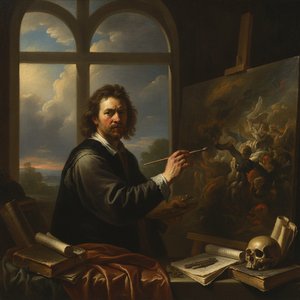
Dutch Baroque Unlocked: Mastering Chiaroscuro, Epic Drama, and the High-Impact Legacy of Rembrandt
Explore the dramatic power of Dutch Baroque art. Master the secrets of Rembrandt’s chiaroscuro, discover the epic scale of the Golden Age, and learn how to bring high-impact, hand-painted historical masterpieces into your modern collection with expert precision.

Golden Light & Dutch Skies: The Timeless Magic of Dutch Golden Age Landscapes
Discover the breathtaking beauty of Dutch Golden Age landscapes. Explore the mastery of light, chiaroscuro, and 17th-century realism through an expert art history lens, celebrating the enduring legacy of the Dutch Masters for discerning collectors and art lovers.

Los 10 Maestros del Barroco Holandés: Obras que Definen una Época | OriginalUniqueArt
Descubre los 10 imprescindibles del Barroco holandés: Rembrandt, Vermeer y más. Explora la historia, técnica y belleza de estas obras maestras. Reproducciones de arte en OriginalUniqueArt.com para decorar tu hogar con elegancia.

Reflejos de una Época Dorada: La Pintura Barroca Holandesa y la Innovación Cultural
Descubra la riqueza y el detalle de la pintura barroca holandesa del Siglo de Oro. Explore las obras maestras de Rembrandt, Vermeer y otros artistas clave. Análisis experto e historia cultural.