Vista previa
 Compartir
 Compartir
 Ver detalles
 Guía
Guía

 Descargar
 Ver artículos similares
 Radiografía
 Presentación de diapositivas
 Estadísticas
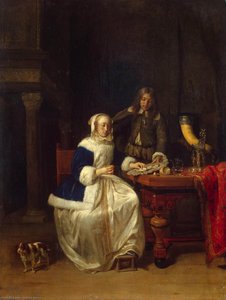
The Cittern Player
 Acrylic On Canvas
- WallArt
- Baroque Dutch Painting
 Renaissance
 37.0 x 30.0 cm
 Museos Estatales
 Leer más
Giclée / Impresión de arte
Impresiones giclée o en lienzo de calidad de museo con producción rápida y opciones de acabado flexibles. ( Encargar reproducción pintada a mano Ver versión en imagen digital)




P118B €10

P118H €10

P118W €10

P438Z €10

P508JH €12

P508YH €12

P805H €10

P805Z €10

P919BZ €10

P919G €10

P919XJ €10

P959ZH €10

P968JZ €12

W106C €8

W218G €10

W218JH €8

W218Y €10

W307PJ €10

W316G €10

W316PJ €8

W316Y €10

W398PJ €8

W4111J €10

W500HY €15

W500JH €15

W692G €12

W849H €8

W940BG €15

W953PJ €8




Elija entre nuestros tamaños predefinidos que respetan las proporciones originales de la obra.

Introduzca el ancho y el alto que necesite para adaptarse a su marco o pared. Una impresión solo puede recortarse, nunca hacerse más grande que la imagen original, por lo que un tamaño con una forma distinta perderá parte de la obra. Le enviaremos una maqueta digital para su aprobación antes de realizar cualquier impresión. La imagen que se muestra en esta página no refleja el recorte real; solo la maqueta lo hace.
Envío a todo el mundo () en 2 semanas en lugar de las 4/5 semanas estándar. (23 octubre)

Envío exprés gratuito a todo el mundo

Lienzo de lino de alta calidad

Seguro de envío completo

Garantía de reembolso de impuestos aduaneros

Garantía de fidelidad cromática exacta

Política de devolución de 100 días (solo por defectos)

Garantía de devolución del 100% del dinero

Oferta por volumen
 La opción de vidrio solo está disponible en tamaños inferiores a 110 cm.

The Cittern Player
Giclée / Impresión de arte
Tamaño de la reproducción
-


Precio total
€ 70
Gabriel Metsu's "The Cittern Player": A Dutch Golden Age Intimacy
Gabriel Metsu’s “The Cittern Player,” a captivating scene of domestic leisure, offers a poignant glimpse into the world of 17th-century Holland. Executed with remarkable sensitivity and detail, this painting transcends mere representation to evoke a powerful sense of quiet intimacy and human connection. Measuring 37 x 30 cm, this intimate work, created around 1650, is a testament to Metsu’s unique artistic vision – one that eschewed grand historical narratives for the subtle poetry of everyday life. The painting's enduring appeal lies not just in its technical mastery but also in its ability to transport us back to a time when music and conversation formed the heart of domestic tranquility.
- Subject Matter: The scene depicts a woman seated on a wooden bench, engrossed in playing a cittern – an early form of guitar. Her companion holds a glass of wine, while a loyal dog attentively watches the player, creating a tableau of relaxed companionship.
- Setting: A dark room with a fireplace establishes a warm and inviting atmosphere, enhancing the sense of domestic comfort. The inclusion of a vase adds a touch of decorative elegance to the composition.
A Masterclass in Dutch Realism – Metsu’s Technique
Metsu was renowned for his meticulous realism, a hallmark of the Dutch Golden Age. His technique involved layering thin glazes of oil paint—a process known as ‘alla prima’—to achieve luminous color and subtle gradations of light and shadow. This approach is particularly evident in the rendering of the woman's clothing, the dog’s fur, and the textures of the wooden bench and cittern. The artist’s masterful use of chiaroscuro – the dramatic contrast between light and dark – adds depth and volume to the scene, drawing the viewer into the intimate space. The painting’s scale—a modest 37 x 30 cm—further contributes to its captivating effect, allowing for a focused appreciation of Metsu's painstaking detail.
Symbolism and Context within the Dutch Golden Age
“The Cittern Player” is firmly rooted in the cultural context of the Dutch Golden Age (1650-1700), a period characterized by unprecedented economic prosperity, artistic innovation, and a burgeoning interest in secular life. Genre paintings – scenes depicting everyday activities – were particularly popular during this era, reflecting a shift away from traditional religious subjects towards more relatable human experiences. The cittern itself held symbolic significance, representing leisure, entertainment, and the refinement of taste. The presence of the dog is also noteworthy; animals were frequently included in Dutch domestic scenes to symbolize loyalty, companionship, and the connection between humans and nature. Metsu’s work aligns with a broader trend among artists of his time who sought to capture the nuances of human emotion and social interaction within realistic settings.
Emotional Impact and Artistic Legacy
Ultimately, “The Cittern Player” resonates with viewers through its quiet beauty and profound sense of humanity. Metsu’s ability to convey a moment of serene contemplation—a simple pleasure shared between companions—is what elevates this painting beyond mere representation. It is a work that invites us to pause, reflect, and appreciate the small joys of life. Gabriel Metsu's legacy as one of the most accomplished artists of the Dutch Golden Age continues to inspire, and this reproduction offers an exceptional opportunity to experience firsthand the enduring power of his artistic vision.
Preguntas y respuestas
¿Qué tipo de obra de arte es "The Cittern Player" de Gabriel Metsu?
"The Cittern Player" es una pieza de WallArt.
¿Quién creó "The Cittern Player"?
El artista detrás de "The Cittern Player" es Gabriel Metsu. La obra está catalogada bajo el nombre de Gabriel Metsu.
¿Qué tan fuerte es el contraste en "The Cittern Player" de Gabriel Metsu?
"The Cittern Player" de Gabriel Metsu muestra un contraste Balanced entre sus zonas de luz y sombra.
Biografía del artista
Una Vida de Exploración Artística: Gabriël Metsu
- Nacimiento: Leiden, Países Bajos (1629)
- Fallecimiento: 1667
Primeros Años e Influencias
Gabriël Metsu vivió una vida marcada por la exploración artística y la innovación. Nacido en 1629, era hijo de Jacques Metsu, un fabricante de tapices y pintor originario de Hainault. Este trasfondo diverso probablemente influyó en su temprano interés en diversas técnicas artísticas. La mudanza familiar a Leiden lo expuso a numerosas influencias culturales.
Carrera Artística: Un Estilo Ecléctico
La carrera de Metsu se caracterizó por una adhesión a ningún estilo o técnica única, ganándose el título de "un artista altamente ecléctico". Su obra abarcó pinturas históricas, bodegones, retratos y obras de género. Notablemente, solo 14 de sus 133 obras conocidas están fechadas, lo que deja mucho por descubrir sobre su proceso creativo.
- Primeras Influencias: La influencia de Rembrandt van Rijn en la obra temprana de Metsu es evidente en su uso de la luz y el color.
- Período de Ámsterdam (a partir de 1655): Su traslado a Ámsterdam marcó un cambio hacia interiores domésticos y escenas de género, con mayor énfasis en el detalle y el realismo.
- Formación y Mentoría: Formó a Michiel van Musscher y Joost van Geel, lo que refleja su compromiso con la comunidad artística.
Obras Notables y Desarrollo Artístico
Las pinturas de Metsu a menudo presentaban mujeres jóvenes, escenas de mercado y ancianos, basándose en los emblemas populares de la época. Su estilo evolucionó a lo largo de su carrera, demostrando un dominio de diversas técnicas.
- El Niño Enfermo (c. 1664): Esta obra refleja la admiración de Metsu por el meticuloso detalle y el uso de la luz de Johannes Vermeer.
- Retrato de la Familia Hinlopen: Una obra maestra que combina la pintura de género con el retrato, mostrando su capacidad para capturar tanto el carácter individual como la vida doméstica.
- El Hijo Pródigo (c. 1640): Demuestra una influencia barroca con su composición dramática y ricos detalles.
- Temas Recurrentes: Metsu representó frecuentemente escenas de la vida cotidiana, a menudo imbuídas de significado simbólico.
Significado Histórico y Legado
El legado de Gabriël Metsu reside en su versatilidad y contribución a la Edad de Oro holandesa. Su estilo ecléctico, aunque a veces enigmático, influyó en generaciones posteriores de artistas. Hoy en día, sus obras se conservan en prestigiosos museos de todo el mundo.
- Pintor de la Edad de Oro Holandesa: Es reconocido como una figura significativa dentro del vibrante panorama artístico del siglo XVII neerlandés.
- Colecciones de Museos: Sus pinturas se pueden encontrar en varios museos, incluido el Rijksmuseum de Ámsterdam.
- Apreciación Continua: El arte de Metsu continúa fascinando e inspirando a los espectadores con su realismo, detalle y sutiles narrativas.

Gabriel Metsu
1629 - 1667 , Países Bajos
Datos clave
- Artistas Que Influyeron: ['Rembrandt van Rijn']
- Fecha De Fallecimiento: 1667
- Fecha De Nacimiento: 1629
- Lugar De Nacimiento: Leiden, Países Bajos
- Movimiento Artístico: Edad de Oro Holandesa
- Nacionalidad: Holandés
- Nombre Completo: Gabriël Metsu
- Obras Notables:
- El niño enfermo
- Retrato de la familia Hinlopen
- Vendedora de aves de corral
- La escritora sorprendida
- El hijo pródigo
Artículos relacionados

Golden Light & Dutch Skies: The Timeless Magic of Dutch Golden Age Landscapes
Discover the breathtaking beauty of Dutch Golden Age landscapes. Explore the mastery of light, chiaroscuro, and 17th-century realism through an expert art history lens, celebrating the enduring legacy of the Dutch Masters for discerning collectors and art lovers.

Los 10 Maestros del Siglo de Oro Holandés: Arte, Historia y Decoración Exclusiva
Descubre los 10 imprescindibles del Siglo de Oro Holandés: Rembrandt, Vermeer y más. Explora la historia, técnica y belleza de estos lienzos clásicos. Encuentra reproducciones de arte exclusivas para decorar tu hogar en .

La Luz y la República: Innovación Artística en el Siglo de Oro Neerlandés
Descubra la innovación artística del Siglo de Oro Neerlandés. Explore las obras maestras de Rembrandt y Vermeer, técnicas revolucionarias y el legado perdurable de este florecimiento cultural. ¡Sumérjase en la luz y la belleza!

Dante Gabriel Rossetti: Las 25 Obras Maestras del Prerrafaelismo | OriginalUniqueArt
Descubre las 25 obras maestras de Dante Gabriel Rossetti, el máximo exponente del Prerrafaelismo. Explora su simbolismo, retratos victorianos y la belleza femenina en lienzos inolvidables. Reproducciones de arte exclusivas en OriginalUniqueArt.com.

Gabriel Metsu: Illuminating Dutch Daily Life with Exquisite Detail
Explore the captivating world of Gabriel Metsu, a leading Dutch Golden Age painter. Discover his exquisite genre scenes, masterful realism, and insightful social commentary. Learn about key works & his lasting legacy.