Menú
Text size

() ·

A painting made for you, by hand

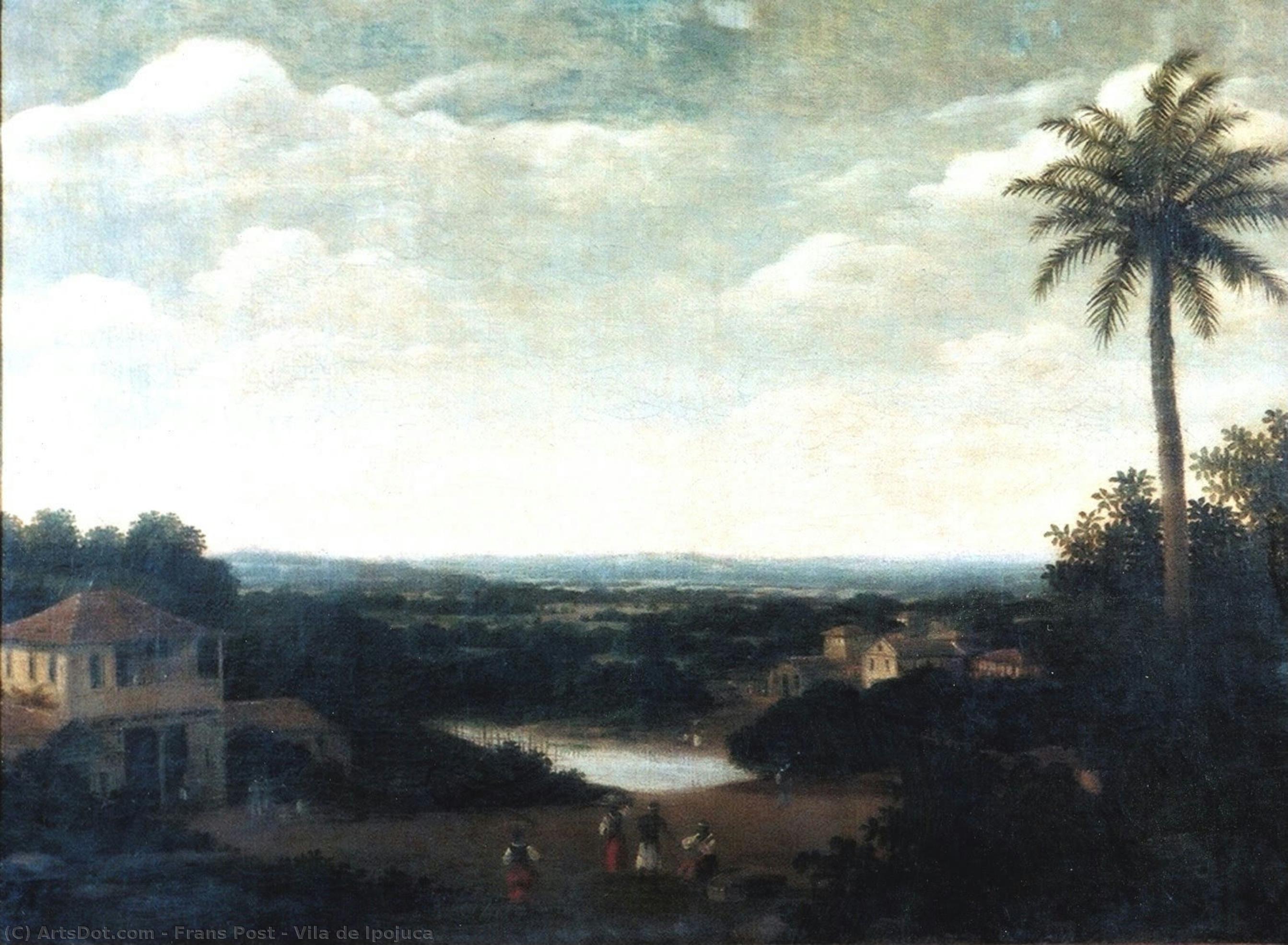
Vila de Ipojuca

Reproducción al óleo hecha a mano

Óleo sobre lienzo pintado a mano en el tamaño y marco de su elección, realizado por encargo por nuestros artistas. ( Cambiar a impresiones Cambiar a imagen digital)

Descripción del objeto

Discover 'Vila de Ipojuca' by frans post (1640), a serene Brazilian landscape painting in the Romantic style. Oil on canvas, atmospheric & evocative of colonial beauty.

Biografía del artista

Descubre a Frans Post (1612-1680), pionero en la pintura de paisajes americanos! Explora sus escenas brasileñas, fusionando el realismo del Siglo de Oro holandés con un encanto colonial único.

from ·

Chapter 1

How large should it be?

Slide to change the size; the picture on the left shows the frame at its real width. The proportions of the original are kept.

Tamaño estándar
a medida
CM
INCH

Elija entre nuestros tamaños predefinidos que respetan las proporciones originales de la obra.

ancho
altura

Indique el ancho y el alto que necesite para adaptarse a su marco o pared. Al tratarse de una obra pintada a mano, si requiere un tamaño con una proporción distinta, el artista puede pintar un poco más alrededor de la imagen o recortarla ligeramente; usted elige. Le enviaremos una maqueta digital para su aprobación antes de comenzar la pintura. La imagen que se muestra en esta página no refleja el resultado real; solo la maqueta lo hace.

Chapter 2

How should it arrive?

Choose the edges of the stretched canvas

Choose your frame

Corner sample of the WhiteWrap canvas edge finish, stretched on madera maciza bars
White €1
Corner sample of the BlurSideWrap canvas edge finish, stretched on madera maciza bars
Blurside €1
Corner sample of the ExtendedWrap canvas edge finish, stretched on madera maciza bars
Extended €1
Corner sample of the P118B picture frame: poliestireno moldeado, 5 cm wide and 3 cm thick
P118B €10
Corner sample of the P118H picture frame: poliestireno moldeado, 5 cm wide and 3 cm thick
P118H €10
Corner sample of the P118W picture frame: poliestireno moldeado, 5 cm wide and 3 cm thick
P118W €10
Corner sample of the P438Z picture frame: poliestireno moldeado, 5.5 cm wide and 3.5 cm thick
P438Z €10
Corner sample of the P508JH picture frame: poliestireno moldeado, 7 cm wide and 3.5 cm thick
P508JH €12
Corner sample of the P508YH picture frame: poliestireno moldeado, 7 cm wide and 3.5 cm thick
P508YH €12
Corner sample of the P805H picture frame: poliestireno moldeado, 5 cm wide and 3.5 cm thick
P805H €10
Corner sample of the P805Z picture frame: poliestireno moldeado, 5 cm wide and 3.5 cm thick
P805Z €10
Corner sample of the P919BZ picture frame: poliestireno moldeado, 7 cm wide and 3.5 cm thick
P919BZ €10
Corner sample of the P919G picture frame: poliestireno moldeado, 7 cm wide and 3.5 cm thick
P919G €10
Corner sample of the P919XJ picture frame: poliestireno moldeado, 7 cm wide and 3.5 cm thick
P919XJ €10
Corner sample of the P959ZH picture frame: poliestireno moldeado, 5 cm wide and 3 cm thick
P959ZH €10
Corner sample of the P968JZ picture frame: poliestireno moldeado, 6 cm wide and 4 cm thick
P968JZ €12
Corner sample of the W106C picture frame: madera maciza, 5 cm wide and 3 cm thick
W106C €8
Corner sample of the W218G picture frame: madera maciza, 5 cm wide and 3 cm thick
W218G €10
Corner sample of the W218JH picture frame: madera maciza, 5 cm wide and 3 cm thick
W218JH €8
Corner sample of the W218Y picture frame: madera maciza, 5 cm wide and 3 cm thick
W218Y €10
Corner sample of the W307PJ picture frame: madera maciza, 6 cm wide and 3 cm thick
W307PJ €10
Corner sample of the W316G picture frame: madera maciza, 6 cm wide and 3 cm thick
W316G €10
Corner sample of the W316PJ picture frame: madera maciza, 6 cm wide and 3 cm thick
W316PJ €8
Corner sample of the W316Y picture frame: madera maciza, 6 cm wide and 3 cm thick
W316Y €10
Corner sample of the W398PJ picture frame: madera maciza, 5 cm wide and 3 cm thick
W398PJ €8
Corner sample of the W4111J picture frame: madera maciza, 6.5 cm wide and 3.5 cm thick
W4111J €10
Corner sample of the W500HY picture frame: madera maciza, 7 cm wide and 5 cm thick
W500HY €15
Corner sample of the W500JH picture frame: madera maciza, 7 cm wide and 5 cm thick
W500JH €15
Corner sample of the W692G picture frame: madera maciza, 8 cm wide and 4 cm thick
W692G €12
Corner sample of the W849H picture frame: madera maciza, 5 cm wide and 3 cm thick
W849H €8
Corner sample of the W940BG picture frame: madera maciza, 7.5 cm wide and 4.5 cm thick
W940BG €15
Corner sample of the W953PJ picture frame: madera maciza, 6 cm wide and 3.5 cm thick
W953PJ €8
Corner sample of the H24-GOLD picture frame: madera tallada con estuco, 10 cm wide and 6 cm thick
H24-GOLD €30
Corner sample of the H24-SILVER picture frame: madera tallada con estuco, 10 cm wide and 6 cm thick
H24-SILVER €30
Corner sample of the H36-GOLD picture frame: madera tallada con estuco, 15 cm wide and 6.5 cm thick
H36-GOLD €45
Corner sample of the H36-SILVER picture frame: madera tallada con estuco, 15 cm wide and 6.5 cm thick
H36-SILVER €45

Moulding: . Overall size with the frame: .

Chapter 3

Who paints it, and should anything change?

Examples of what can be changed: Replace face with customer photo; Add pet (e.g., replace cat with dog); Include hidden message in background; Change background landscape or elements.
After order, OriginalUniqueArt.com team will email client for instructions and provide a mockup preview

Envío a todo el mundo () en 3-4 semanas en lugar de las 5 semanas estándar. (30 octubre). Sin comprometer la calidad.

Chapter 4

The finishing touches

A nameplate, as in a museum?

Detalles de la placa de bronce grabada

This elegant plaque features the artist's name and the title of the artwork, finely engraved for a timeless presentation.

It is made from bronze with a refined, elegant finish. The text is precisely laser-engraved for a sharp and permanent result. Measuring 9x2 cm, the plaque is compact yet easy to read. It's built to be durable and scratch-resistant, offering a professional, museum-quality look. Mounting is simple thanks to the included adhesive backing.

Detalles de la placa de acrílico transparente

The plaque includes essential engraved details such as the artist's name, the title of the artwork, the date it was created, the type of media used-like oil on canvas or watercolor-a brief description of the piece, and a QR code that links to the complete artwork information.

It is crafted from clear acrylic, offering a sleek, modern appearance. The text is UV-engraved in black to ensure strong visual contrast. With a size of 10x15 cm, it ensures optimal readability. It comes equipped with two metal hooks for secure wall mounting. The plaque is designed to be weather-resistant, making it suitable for various environments, and it includes interactive features that work seamlessly with smartphone scanning.

Detalles de la placa de acrílico negro

This elegant plaque includes engraved information such as the artist's name, the title of the artwork, the date it was created, the type of media used (like oil on canvas or watercolor), a short description of the artwork, and a QR code for quick access to more information.

The plaque itself is made from refined black acrylic with a premium finish. The text is laser-engraved in white for high contrast and readability. Its size is 10x15 cm, designed to be easy to read. It comes with two metal hooks for professional mounting. The design is sleek and fits any interior style. It is also weather-resistant and durable, with built-in digital integration for mobile compatibility.

A protective varnish?

When do you need it?

Chapter 5

Your painting, as you ordered it

Vila de Ipojuca

Técnica de reproducción

Dimensiones de la reproducción

-

Selección de artistas premium

Mayor nivel de detalle, delicadeza y tiempo de producción adicional

-

Enmarcado de reproducción

-

-

Para obras de arte o reproducciones que midan más de 105 cm (aproximadamente 41 pulgadas) en cualquiera de sus lados, el marco se enviará como un kit desmontado. Este método garantiza una entrega segura y evita daños durante el transporte.

Se requiere montaje profesional: este no es un producto para hacer usted mismo (DIY).
El kit debe ser ensamblado y el lienzo tensado por un enmarcador profesional con experiencia, utilizando cola para madera (no incluida), una tenaza para tensar lienzos y sargentos para mantener los bastidores alineados mientras la cola se seca. Un montaje incorrecto o una tensión desigual del lienzo pueden dañar la obra de arte de forma permanente y no están cubiertos por nuestra garantía.

  • Se incluyen todos los listones de madera maciza, cortados con precisión según las medidas.

  • Se ensambla con los tornillos incluidos, además de cola para madera para las uniones de las esquinas, la cual no se incluye y debe ser proporcionada por su enmarcador.

  • Se requieren herramientas profesionales que no están incluidas: un alicate para tensar lienzos (tensor) y abrazaderas para mantener los bastidores alineados mientras se seca el pegamento.

Importante:
Las uniones de las esquinas requieren cola para madera, los listones deben sujetarse con prensas hasta que la cola esté completamente seca, y para tensar el lienzo en el bastidor ensamblado se requiere una pinza para tensar lienzos. Ninguno de estos elementos está incluido en el kit. Por favor, contacte con un profesional del enmarcado con experiencia antes de realizar un pedido de este tamaño.

Cartela

-

-

Barniz protector

Barniz brillante (realza los colores y protege contra la luz y la humedad)

-

Personalizar mi obra

Ejemplos de lo que se puede personalizar: sustituir el rostro por una foto del cliente; añadir una mascota (por ejemplo, cambiar un gato por un perro); incluir un mensaje oculto en el fondo; cambiar el paisaje o los elementos del fondo.

-

Envío urgente

Envío a todo el mundo () en 3 o 4 semanas, en lugar de las 5 semanas habituales. (30 octubre). Sin comprometer la calidad.

-

Envío urgente

Envío internacional () en 5 semanas. (6 noviembre).

Incluido

Precio total final

€ 288

Precio total € 288

La opción de vidrio solo está disponible en tamaños inferiores a 110 cm.

Included with every order

  • Envío exprés gratuito a todo el mundo
  • Lienzo de lino de alta calidad
  • Seguro de envío total
  • Garantía de reembolso de aranceles aduaneros
  • Garantía de fidelidad cromática exacta
  • Política de devolución de 100 días (solo por defectos)
  • Garantía de devolución del 100% del dinero
  • Descuento por cantidad

A Window into a Tropical Paradise

In the vast tapestry of the Dutch Golden Age, few threads are as vibrant and exotic as those woven by Frans Post. His masterpiece, Vila de Ipojuca, serves as a breathtaking portal to a bygone era, capturing a serene tropical vista that feels both intimately observed and beautifully idealized. The painting presents a lush, sun-drenched landscape where a colonial villa rests upon a gentle elevation, overlooking a world of verdant growth. A prominent palm tree stands as a majestic vertical anchor on the right, its silhouette guiding the eye through a composition that masterfully balances the wildness of nature with the quiet presence of human habitation. As figures stroll leisurely along a winding path toward the villa, the scene invites the viewer to step into a moment of profound tranquility, far removed from the bustling streets of Haarlem.

The atmosphere of the work is defined by a soft, almost ethereal haze that permeates the entire canvas. This technique, rooted in the tonal landscape traditions Post learned under masters like Pieter de Molijn, creates a sense of immense depth and atmospheric perspective. The distant horizon line dissolves into a gentle blur of blues and muted greens, suggesting an endless expanse of land and sky that stretches toward the unknown. This hazy quality does more than just simulate distance; it imbues the painting with a melancholic beauty, a nostalgic longing for a pristine wilderness captured at the dawn of colonial encounter. The lighting is diffused and gentle, casting a soft glow across the terrain that softens edges and blends shapes into a harmonious, organic whole.

Technique and the Painterly Touch

Upon closer inspection, the technical prowess of Post becomes even more apparent. Executed in oil on canvas, the painting reveals a texture that is both loose and remarkably deliberate. The artist employs varying thicknesses of paint to suggest the diverse textures of the Brazilian landscape—from the rugged bark of tropical flora to the smooth, sun-warmed surfaces of the villa's architecture. His palette is a sophisticated arrangement of muted earth tones, deep forest greens, and soft cerulean blues, which work in concert to establish a serene and contemplative mood. There are no harsh or jarring lines here; instead, every element is connected through soft, blended transitions that mirror the natural flow of a tropical breeze.

For the discerning collector or interior designer, Vila de Ipojuca offers much more than mere decoration. It is an evocative piece of history that brings a sense of worldly sophistication and calm to any space. The painting’s ability to evoke emotional responses—ranging from peace and wonder to a quiet, reflective nostalgia—makes it a powerful focal point for a curated room. Whether placed in a sunlit study or a grand living area, this reproduction captures the essence of a pioneer's vision, offering a timeless window into the breathtaking beauty of the Americas as seen through the eyes of a Dutch master.

Preguntas y respuestas

¿Qué paleta de colores y qué emoción evocan "Vila de Ipojuca"?

"Vila de Ipojuca" de Frans Post combina una paleta de Neutrals con un tono Melancholic.

¿Cuál es la atmósfera general de "Vila de Ipojuca" de Frans Post?

El ambiente general de "Vila de Ipojuca" de Frans Post es Romantic. Esta atmósfera describe la esencia de la obra.

¿Presenta "Vila de Ipojuca" un fuerte contraste entre luces y sombras?

El contraste entre luces y sombras de "Vila de Ipojuca" se registra como Statement. El contraste describe la intensidad con la que difieren las zonas claras y oscuras.

More about this painting

Ver en contexto Vista previa en RA Cambiar a impresiones Cambiar a imagen digital Enviar
Detalles Guía Añadir a favoritos Descargar Similares Radiografía Presentación de diapositivas Q&A Estadísticas

In numbers

  • 1640the year it was painted
  • 29frames to choose from
  • standard sizes, in its own proportions
  • 5weeks to paint and deliver it
Frans Post

Frans Post

1612 - 1680, Países Bajos

Quick facts about Frans Post

  • Artistas Que Influyeron:
    • Pieter de Molijn
    • Jacob van Ruysdael
    • Salomon van Ruysdael
  • Fecha De Fallecimiento: 1680
  • Fecha De Nacimiento: 1612
  • Lugar De Nacimiento: Haarlem, Países Bajos
  • Movimiento Artístico: Edad de Oro Holandesa
  • Nacionalidad: Holandés
  • Nombre Completo: Frans Post
  • Obras Notables:
    • La casa de un labrador en Brasil
    • Vista de Olinda
    • Un paisaje brasileño
    • Vila de Ipojuca

Biografía del artista

Frans Post: Pionero de la Pintura de Paisajes Brasileños

  • Nacido: Haarlem, Países Bajos (1612)
  • Fallecido: 1680

Frans Janszoon Post fue un pintor significativo dentro del Siglo de Oro Neerlandés, celebrado como el primer artista europeo en documentar paisajes de las Américas, específicamente los de Brasil Holandés. Su perspectiva única y sus contribuciones artísticas ofrecen valiosas perspectivas sobre la era colonial y su impacto tanto en Europa como en Sudamérica.

Vida Temprana y Formación

Nacido en Haarlem, Países Bajos, en 1612, Frans Post provenía de una familia con vínculos artísticos. Su padre, Jan Janszoon Post, fue un respetado pintor de vidrieras formado en Leiden, mientras que su hermano mayor, Pieter Post, alcanzó prominencia como arquitecto del Clasicismo Neerlandés. Poco se sabe definitivamente sobre la vida temprana de Post antes de su viaje a Brasil. Sin embargo, es muy probable que recibiera formación artística inicial tanto de su padre como de su hermano. Fue un contemporáneo de Frans Hals y compartió la escena artística de Haarlem con notables pintores paisajistas como Jacob & Salomon van Ruysdael, Adriaen & Isaac van Ostade y Pieter de Molijn. Se cree ampliamente, aunque no está documentado formalmente en los registros gremiales, que Pieter de Molijn fue su maestro. El brote de peste en Haarlem pudo haber motivado la partida de Post a Brasil.

El Período Brasileño (1637-1644) e Innovación Artística

En 1637, por invitación del Gobernador Johan Maurits van Nassau-Siegen, Post emprendió un viaje transformador a Brasil Holandés, ubicado en el noreste de Sudamérica. Este período, que duró hasta 1644, demostró ser fundamental para dar forma a su legado artístico. Recibió encargos de Frederick Henry, Príncipe de Orange, lo que demuestra un temprano reconocimiento de su talento. Durante este tiempo, produjo numerosos bocetos y grabados, junto con aproximadamente seis pinturas completadas fechadas entre 1637 y 1640. Estas obras brasileñas se caracterizan por su parecido a los paisajes favorecidos por sus contemporáneos de Haarlem en términos de composición y técnica. Wolfgang Stechow describió famosamente el estilo de Post como “la vieja botella llena con nuevo vino”, destacando una mezcla de elementos familiares con temas novedosos.

  • Características Clave de las Obras Brasileñas:
    • Representación de ubicaciones específicas y reconocibles en Brasil Holandés.
    • Representación de la topografía local y los edificios.
    • Inclusión de la vegetación brasileña y fauna ocasional (posiblemente inspirada por el naturalista Georg Marggraf).
    • Un cielo distintivo gris, que a menudo domina la mitad del lienzo, contribuyendo a una atmósfera sombría.

Regreso a los Países Bajos y Transformación Artística

Tras su regreso a los Países Bajos en 1642, Post se unió al Gremio de San Lucas de Haarlem en 1646 y ocupó cargos oficiales en 1656-7 y 1658. Su estilo artístico experimentó una evolución significativa tras su tiempo en Brasil. Mientras que sus primeras obras brasileñas enfatizaban el realismo y la observación detallada, sus pinturas posteriores adoptaron un enfoque más imaginativo e idealizado.

  • Cambio de Estilo:
    • Se incorporaron colores más brillantes y elementos exóticos.
    • Los paisajes se volvieron más abiertos y ricos en recursos, reflejando una sensación de conquista.
    • Mayor énfasis en la profundidad y la perspectiva con flora más verde y cielos más azules.
    • El uso de tonos azul profundo, posiblemente como resultado de la degradación del pigmento, creó contrastes llamativos.

Legado y Significado Histórico

Frans Post produjo aproximadamente 140 pinturas a lo largo de su vida, de las cuales alrededor de la mitad están fechadas, lo que permite una evolución rastreable de su estilo artístico. Su obra tiene un inmenso significado histórico ya que proporciona una documentación visual invaluable de Brasil Holandés. Más allá de sus cualidades estéticas, las pinturas de Post ofrecen información sobre el paisaje, los asentamientos y la vida cotidiana de este período. Aunque los años posteriores estuvieron marcados por dificultades personales, incluido un posible alcoholismo, Frans Post sigue siendo una figura única en la historia del arte: el artista europeo pionero que trajo a la atención de Europa los paisajes de las Américas, cambiando para siempre las percepciones del Nuevo Mundo.

Datos clave

  • Artistic style: Idealized view of nature
  • Artist: Frans Post
  • Influences: Dutch Golden Age
  • Title: Vila de Ipojuca
  • Movement: Romantic Landscape Painting

Test de conocimientos artísticos

Cada pregunta tiene una única respuesta correcta.

Pregunta 1:
What is the primary artistic movement associated with Frans Post’s Vila de Ipojuca?
Pregunta 2:
The hazy atmosphere of Vila de Ipojuca is characteristic of what artistic technique?
Pregunta 3:
Frans Post was notable for being the first European artist to:
Pregunta 4:
What color palette dominates Vila de Ipojuca?
Pregunta 5:
The villa depicted in Vila de Ipojuca symbolizes: