
 Enviar
 Compartir
 Detalles
 Guía
Guía

 Descargar
 Similares
 Presentación de diapositivas
 Preguntas y respuestas
 Estadísticas
Assumption (detail)


 Ver más
Giclée / Impresión de arte
Impresiones giclée o en lienzo de calidad de museo con producción rápida y opciones de acabado flexibles. ( Comprar pintura hecha a mano Cambiar a imagen digital)




































Elija entre nuestros tamaños predefinidos que respetan las proporciones originales de la obra.

Introduzca el ancho y el alto que necesite para adaptarse a su marco o pared. Una impresión solo puede recortarse, nunca hacerse más grande que la imagen original, por lo que un tamaño con una forma distinta perderá parte de la obra. Le enviaremos una maqueta digital para su aprobación antes de realizar cualquier impresión. La imagen que se muestra en esta página no refleja el recorte real; solo la maqueta lo hace.
Envío a todo el mundo () en 2 semanas en lugar de las 4/5 semanas estándar. (3 noviembre)

Envío exprés gratuito a todo el mundo

Lienzo de lino de alta calidad

Seguro de envío total

Garantía de reembolso de aranceles aduaneros

Garantía de fidelidad cromática exacta

Política de devolución de 100 días (solo por defectos)

Garantía de devolución del 100% del dinero

Descuento por cantidad
 La opción de vidrio solo está disponible en tamaños inferiores a 110 cm.

Assumption (detail)
Giclée / Impresión de arte
Dimensiones de la reproducción
-


Precio total final
€ 72
A Window into the Renaissance Soul
In the delicate detail of Filippino Lippi’s Assumption, we are transported far beyond the confines of the modern world and into the vibrant, breathing heart of the late fifteenth century. This breathtaking fresco fragment serves as a portal to an era where the divine and the earthly were inextricably linked through the mastery of line and light. As one gazes upon the scene, there is an immediate sense of movement; a lively, rhythmic procession of figures and horses winds through a valley that feels both mythic and profoundly real. The composition captures a fleeting moment of medieval life, where the grandeur of a distant castle meets the humble, kinetic energy of travelers navigating a lush landscape. It is not merely a depiction of a journey, but an invitation to witness the very pulse of the High Renaissance.
The artistry of Lippi shines through in his sophisticated use of perspective and color, elements that define the transition from the early experimental years of his career to his mature, masterful style. The technique employed here showcases a remarkable ability to layer figures within a deep, atmospheric space, creating a sense of infinite depth that draws the eye toward the horizon. His brushwork—or rather, his masterful application of fresco pigment—utilizes a rich palette that breathes life into the horses' coats and the flowing garments of the travelers. The lighting is particularly evocative, casting soft shadows that define form while maintaining a luminous quality that suggests a sun-drenched afternoon in the Italian countryside. For the discerning collector or interior designer, this piece offers a profound sense of classical elegance and structural balance.
Symbolism and the Majesty of Detail
Beyond its surface beauty, the Assumption (detail) carries a weight of historical and symbolic significance that resonates with anyone captivated by the narrative power of art. As the son of Fra Filippo Lippi, Filippino was raised in the shadow of greatness, yet he carved out a unique identity characterized by a more dramatic and emotionally charged approach than his contemporaries. In this work, the interplay between the bustling human activity below and the monumental landscape above symbolizes the intersection of mortal struggle and divine order. The castle, standing sentinel in the background, represents stability and the enduring legacy of civilization, while the wandering figures embody the transient, beautiful nature of human existence.
For those looking to integrate such a masterpiece into a curated space, the emotional impact of this work is unparalleled. It brings an atmosphere of intellectual depth and historical prestige to any room, acting as a conversation piece that speaks of heritage, exploration, and the timeless pursuit of beauty. Whether displayed in a grand library or a contemporary living area, the Assumption detail provides a sophisticated focal point that inspires contemplation. Owning a high-quality reproduction of this fresco allows one to possess a fragment of history—a piece of the Renaissance spirit that continues to illuminate the modern world with its grace, complexity, and enduring vitality.
Preguntas y respuestas
¿Quién es el autor de "Assumption (detail)" y a qué movimiento pertenece?
Filippino Lippi creó "Assumption (detail)" dentro del movimiento High Renaissance.
¿Es "Assumption (detail)" representativo de la temática habitual de Filippino Lippi?
"Assumption (detail)" representa people, horses, castle, valley, landscape, medieval scene, mientras que los temas recurrentes de Filippino Lippi son high renaissance style, biblical figures, roman landscape, masterful perspective, renaissance fresco mastery. Al comparar ambos, se observa cómo la obra se relaciona con los temas habituales del artista.
¿Se puede ver "Assumption (detail)" de Filippino Lippi en una presentación de diapositivas?
Puede ver "Assumption (detail)" de Filippino Lippi en formato de diapositivas en la página de Galería de imágenes de la obra.
Biografía del artista
Primeros años y formación
- Nacimiento: Abril de 1457, Prato, Italia
- Fallecimiento: Abril de 1504
- Padres: Fra Filippo Lippi (pintor) y Lucrezia Buti
- Filippino fue el hijo ilegítimo de un renombrado pintor.
- La formación temprana bajo su padre sentó las bases para su carrera artística.
Carrera Artística y Desarrollo
- Período Temprano (1475-1480): Obras iniciales, como las Madonnas, mostraron un estilo menos refinado. Estas fueron inicialmente atribuidas a un artista anónimo conocido como "amico di Sandro".
- Evolución (1480-1485): Desarrollo de un enfoque más personal y efectivo en obras como los Viajes de Tobías.
- Madurez (1485-1504): Dominio del estilo del Alto Renacimiento, ejemplificado por la Aparición de Cristo a la Virgen.
Obras Principales y Colaboraciones
- Colaboración con Perugino, Ghirlandaio y Botticelli en los frescos de la villa de Lorenzo de' Medici.
- Completó la decoración inacabada de Masaccio en la Capilla Brancacci junto a Masolino.
- Obras notables incluyen: La Coronación de la Virgen, Tobías y el Ángel, San Jerónimo y una Escena de la Vida de San Tomás de Aquino.
Influencias y Estilo Artístico
- Influencias Tempranas: Sandro Botticelli, Fra Filippo Lippi.
- Características del Estilo: Forma y línea animadas, cromatismo cálido, paisajes detallados, figuras expresivas y una mezcla de geometría de perspectiva con interiores íntimos.
- Antigüedades Romanas: Estudios tras antigüedades romanas durante su tiempo en Roma influyeron en su obra, incorporando un vocabulario antiguo a su arte.
Significado Histórico y Legado
- Un exponente florentino líder de la tradición de los grandes ciclos de frescos.
- Su influencia en el Alto Renacimiento es innegable.
- Obras se encuentran en museos de todo el mundo, incluyendo la Galería Uffizi en Florencia.
- Conocido por tender un puente entre estilos del Renacimiento temprano y la estética emergente del Alto Renacimiento.
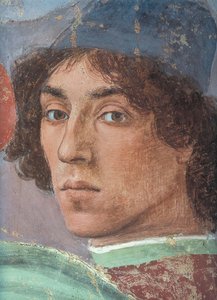
Filippino Lippi
1457 - 1504 , Italia
Datos clave
- Artistas Influenciados: ['Raffaellino del Garbo']
- Artistas Que Influyeron:
- Fra Filippo Lippi
- Sandro Botticelli
- Fecha De Muerte: Abril 1504
- Fecha De Nacimiento: Abril 1457
- Lugar De Nacimiento: Prato, Italia
- Movimiento Artístico: Alto Renacimiento
- Nacionalidad: Italiana
- Nombre Completo: Filippino Lippi
- Obras Notables:
- Coronación de la Virgen
- Viajes de Tobías
- San Jerónimo
- Vida de San Tomás Aquino
Artículos relacionados

¿El Arte que Habita Contigo: El Poder Emocional de un Fresco Interior Personalizado?
Descubre el poder emocional de un fresco interior personalizado. Expertos en arte te guían para crear una obra única que refleje tu estilo y valore tu hogar. : calidad, confianza y diseño excepcional.

The Enduring Legacy of Fresco Painting: Techniques, History & Contemporary Relevance
Explore the rich history & enduring artistry of fresco painting – from Giotto to Michelangelo! Discover techniques, conservation efforts, & modern applications. Learn how OriginalUniqueArt brings this timeless art form to your home.
Las 10 Obras Maestras del Alto Medieval: Arte, Historia y Decoración Exclusiva
Descubre las 10 obras maestras del Alto Medieval. Explora la historia, el simbolismo y la belleza de la pintura románica y gótica. Reproducciones exclusivas en OriginalUniqueArt.com para decorar tu hogar con arte atemporal.

The Enduring Legacy of Fresco: Technique, History & Artistic Expression Across Cultures
Explore the rich history & enduring legacy of fresco painting! Discover ancient techniques, Giotto's masterpieces, and modern applications. Expert insights for art lovers & professionals.

Legado en las Paredes: Frescos Familiares que Trascienden el Tiempo
Descubre el arte del fresco muralístico para inmortalizar tu historia familiar. Expertos en frescos personalizados y técnicas ancestrales. Crea un legado visual único con .


