Vista previa
 Compartir
 Compartir
 Ver detalles
 Guía
Guía

 Descargar
 Ver artículos similares
 Radiografía
 Presentación de diapositivas
 Estadísticas
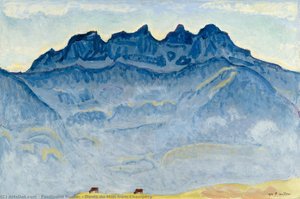
Mujer en éxtasis
 Óleo sobre lienzo
- Arte de pared
- Art Nouveau
 1911
1911- Edad Moderna
 86.0 x 172.0 cm
 Leer más
Giclée / Impresión de arte
Impresiones giclée o en lienzo de calidad de museo con producción rápida y opciones de acabado flexibles. ( Encargar reproducción pintada a mano Ver versión en imagen digital)




P118B $10

P118H $10

P118W $10

P438Z $10

P508JH $12

P508YH $12

P805H $10

P805Z $10

P919BZ $10

P919G $10

P919XJ $10

P959ZH $10

P968JZ $12

W106C $8

W218G $10

W218JH $8

W218Y $10

W307PJ $10

W316G $10

W316PJ $8

W316Y $10

W398PJ $8

W4111J $10

W500HY $15

W500JH $15

W692G $12

W849H $8

W940BG $15

W953PJ $8




Elija entre nuestros tamaños predefinidos que respetan las proporciones originales de la obra.

Puede introducir sus propias dimensiones para adaptarse a un marco o espacio específico. Si el tamaño seleccionado no coincide con las proporciones de la imagen original, recortaremos la obra de arte o extenderemos la imagen con un borde con efecto espejo o de color sólido. Se enviará una maqueta digital para su aprobación antes de que comience la producción.
Tenga en cuenta que la vista previa en pantalla no refleja el recorte o la extensión real. Solo la maqueta mostrará con precisión la composición final.
Aunque existen tamaños personalizados, recomendamos seleccionar una dimensión de la lista predefinida para preservar las proporciones originales.
Envío a todo el mundo () en 2 semanas en lugar de las 4/5 semanas estándar. (25 septiembre)

Envío exprés gratuito a todo el mundo

Lienzo de lino de alta calidad

Seguro de envío completo

Garantía de reembolso de impuestos aduaneros

Garantía de fidelidad cromática exacta

Política de devolución de 100 días (solo por defectos)

Garantía de devolución del 100% del dinero

Oferta por volumen
 La opción de vidrio solo está disponible en tamaños inferiores a 110 cm.

Mujer en éxtasis
Giclée / Impresión de arte
Tamaño de la reproducción
-


Precio total
$ 80
A Dance of Liberation: The Soul of Ferdinand Hodler’s Woman in Ecstasy
To encounter Ferdinand Hodler’s Woman in Ecstasy is to step into a realm where the boundaries between the physical form and the ethereal spirit dissolve. Painted in 1911, this monumental canvas serves as a cornerstone of the Art Nouveau movement, capturing far more than a mere moment of movement; it embodies an entire era's yearning for beauty, transcendence, and liberation. The painting depicts a woman caught in the throes of a rhythmic dance, her body a vessel for pure emotion. As she moves, her arms outstretched and her blue dress swirling, she appears to defy gravity itself, offering the viewer a glimpse into a state of being that is both profoundly sensual and spiritually elevated.
The technical mastery behind this work lies in Hodler’s ability to translate the ephemeral sensation of music into visual rhythm. Drawing inspiration from Émile Jaques-Dalcroze’s theory of Eurhythmics, Hodler utilizes a vibrant palette of reds, blues, and yellows to mimic the pulse of a melody. His brushstrokes are loose and fluid, prioritizing the capture of energy over the rigid precision of anatomical detail. This approach creates a mesmerizing fluidity that allows the eye to dance across the canvas alongside the subject. The brilliant yellow background provides a striking contrast, pushing the figure forward and imbuing the entire composition with an inner radiance that feels as though it might burst from the frame.
Symbolism and the Rhythm of Life
Beyond its visual splendor, Woman in Ecstasy is deeply rooted in the concept of "parallelism," a personal artistic philosophy developed by Hodler. Through this lens, the painting becomes an exploration of the interconnectedness between human emotion and the natural world. The dancer’s posture—dynamic, expansive, and uninhibited—serves as a deliberate rebellion against the restrictive societal conventions of the early 20th century. In an era marked by significant social upheaval and the burgeoning voices of feminist discourse, Hodler presents a figure that claims her right to joy and autonomy.
There is a poignant duality within the work; while the subject celebrates life and movement, one cannot ignore the contemplative, almost melancholic undertones that often haunted Hodler’s oeuvre. Having experienced profound personal loss in his youth, the artist possessed a unique sensitivity to the fleeting nature of existence. Thus, this dance is not merely an act of celebration, but a defiant embrace of the present moment against the inevitable passage of time. For the collector or the admirer, the painting offers a complex emotional landscape—a harmonious blend of vitality and introspection that continues to resonate across generations.
An Inspiration for the Modern Interior
For interior designers and connoisseurs of fine art, a high-quality reproduction of this masterpiece offers an unparalleled opportunity to introduce movement and narrative depth into a space. The bold color palette and sweeping gestures of Woman in Ecstasy make it a commanding focal point, capable of transforming a contemporary room into a gallery of profound emotion. Whether placed in a sunlit salon or a sophisticated study, the painting brings with it an atmosphere of elegance and intellectual curiosity.
Owning a piece that captures such a pivotal moment in Art Nouveau history allows one to surround themselves with the spirit of liberation. It is more than a decorative element; it is an invitation to contemplate the beauty of motion and the enduring power of the human spirit. As a work that bridges the gap between the visceral and the divine, Hodler’s masterpiece remains an essential acquisition for those seeking to infuse their surroundings with timeless grace and transformative energy.
Biografía del artista
Primeros años y formación artística
Ferdinand Hodler, pintor suizo, nació el 14 de marzo de 1853 en Berna, Suiza. Sus primeras obras se caracterizaron por retratos, paisajes y pinturas de género en un estilo realista. Sin embargo, posteriormente adoptó una forma personal de simbolismo, que él denominó "paralelismo".Evolución del estilo de Hodler
A medida que avanzaba la carrera de Hodler, su obra evolucionó para combinar influencias de varios géneros, incluyendo el simbolismo y el art nouveau. En 1890, completó Noche, una pintura que marcó su transición hacia la imaginería simbolista. Esta pieza, que presenta varias figuras reclinadas, fue inicialmente recibida con controversia pero finalmente obtuvo atención favorable en París.Obras destacadas y colecciones
- El Día (1893), una pintura histórica a gran escala, es un ejemplo notable del trabajo de Hodler. Esta pieza, expuesta en el Kunsthaus Zúrich, demuestra su mezcla única de simbolismo y realismo.
- El Museo Kunsthaus Zúrich, Suiza, cuenta con una impresionante colección de obras de Hodler, incluyendo Verdad II (1897), que puede ser vista en /es/art/show/art-d3b4gt-es/
Legado e influencia
La adopción del simbolismo por parte de Hodler y el desarrollo del "paralelismo" han tenido un impacto duradero en el mundo del arte. Su trabajo puede verse como un precursor del expresionismo, con su énfasis en figuras fuertemente coloreadas y geométricas.- La biografía de Ferdinand Hodler está disponible en OriginalUniqueArt, proporcionando una visión profunda de su vida y evolución artística.
- La historia del desnudo en el arte, que ha sido un tema de interés a lo largo de la carrera de Hodler, puede explorarse más a fondo en [https://en.wikipedia.org/wiki/history_of_the_nude_in_art](https://en.wikipedia.org/wiki/history_of_the_nude_in_art).
Fechas clave
- 1853: Nació en Berna, Suiza
- 1890: Completó Noche, marcando su transición hacia la imaginería simbolista
- 1918: Falleció el 19 de mayo
- https://OriginalUniqueArt.com/@@/d3xnx9-ferdinand-hodler-the-day para ver El Día (1893)
- https://en.wikipedia.org/wiki/ferdinand_hodler para una biografía completa de Ferdinand Hodler
- https://OriginalUniqueArt.com/@/ferdinand-hodler para una extensa colección de sus obras y una biografía detallada.
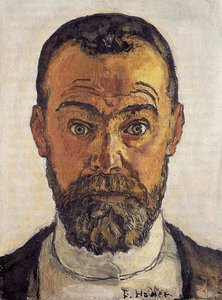
Ferdinand Hodler
1853 - 1918 , Suiza
Datos clave
- Artistas Que Influyeron:
- Alexandre Calame
- Gustave Courbet
- Hans Holbein
- Fecha De Muerte: 19 de mayo de 1918
- Fecha De Nacimiento: 14 de marzo de 1853
- Influencia En Artistas: ['Expresionismo']
- Lugar De Nacimiento: Bern, Suiza
- Movimiento Artístico: Simbolismo, Art Nouveau
- Nacionalidad: Suizo
- Nombre Completo: Ferdinand Hodler
- Obras Notables:
- La noche
- El día
- Verdad II
Artículos relacionados

Ferdinand Hodler: Symbolism, Parallelism & the Quest for Universal Harmony
Explore the captivating world of Ferdinand Hodler, Swiss Symbolist painter renowned for his evocative landscapes & pioneering 'parallelism'. Discover his life, key works, and lasting influence on art history. Own a hand-painted reproduction today!

Los 10 cuadros más famosos dominados por el 'amarillo cromo': Arte y decoración
Descubre los 10 cuadros más emblemáticos dominados por el 'amarillo cromo': Van Gogh, Monet y otros maestros. Historia del arte, técnicas y decoración con lienzos impresionistas. ¡Explora la colección completa en OriginalUniqueArt.com!
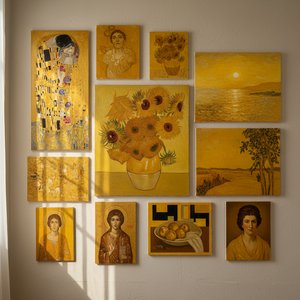
Los 10 cuadros más famosos dominados por el ocre amarillo: Arte y decoración atemporal
Descubre los 10 cuadros más famosos con tonos ocres amarillos. Explora la historia de Van Gogh, Monet y otros artistas clave del impresionismo y postimpresionismo. Encuentra reproducciones de arte de museo en .
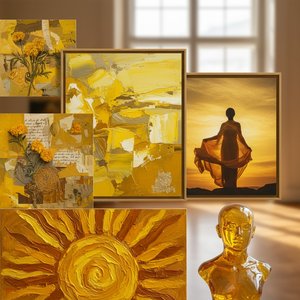
The Golden Hue: Exploring Symbolism & Emotion in Yellow Art
Explore the rich symbolism & emotional power of yellow in art history! From Van Gogh to Kandinsky, discover how artists used this vibrant hue. Expert analysis & high-quality reproductions at OriginalUniqueArt.
Sir Nathaniel Dance-Holland: Portraiture, Patronage & Georgian Identity
Explore the life & art of Sir Nathaniel Dance-Holland, a leading Georgian portraitist. Discover his masterful technique, influential patrons, and lasting impact on 18th-century British society. A guide for discerning collectors.