Vista previa
 Compartir
 Compartir
 Ver detalles

 Descargar
 Ver artículos similares
 Radiografía
 Presentación de diapositivas
 Estadísticas
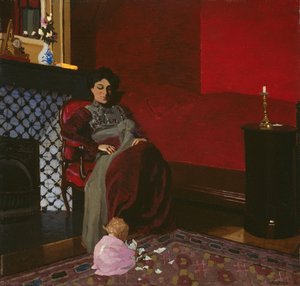
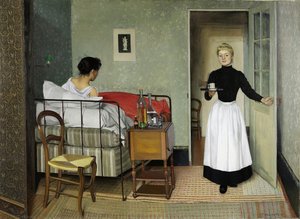
Interior, Nude Seen from Behind
 Acrylic On Canvas
- WallArt
- Post-Impressionism
 1902
1902- 19th Century
 76.0 x 57.0 cm
 Kunsthalle Bremen
 Leer más
Giclée / Impresión de arte
Impresiones giclée o en lienzo de calidad de museo con producción rápida y opciones de acabado flexibles. ( Encargar reproducción pintada a mano Ver versión en imagen digital)




P118B $10

P118H $10

P118W $10

P438Z $10

P508JH $12

P508YH $12

P805H $10

P805Z $10

P919BZ $10

P919G $10

P919XJ $10

P959ZH $10

P968JZ $12

W106C $8

W218G $10

W218JH $8

W218Y $10

W307PJ $10

W316G $10

W316PJ $8

W316Y $10

W398PJ $8

W4111J $10

W500HY $15

W500JH $15

W692G $12

W849H $8

W940BG $15

W953PJ $8




Elija entre nuestros tamaños predefinidos que respetan las proporciones originales de la obra.

Puede introducir sus propias dimensiones para adaptarse a un marco o espacio específico. Si el tamaño seleccionado no coincide con las proporciones de la imagen original, recortaremos la obra de arte o extenderemos la imagen con un borde con efecto espejo o de color sólido. Se enviará una maqueta digital para su aprobación antes de que comience la producción.
Tenga en cuenta que la vista previa en pantalla no refleja el recorte o la extensión real. Solo la maqueta mostrará con precisión la composición final.
Aunque existen tamaños personalizados, recomendamos seleccionar una dimensión de la lista predefinida para preservar las proporciones originales.
Envío a todo el mundo () en 2 semanas en lugar de las 4/5 semanas estándar. (15 septiembre)

Envío exprés gratuito a todo el mundo

Lienzo de lino de alta calidad

Seguro de envío completo

Garantía de reembolso de impuestos aduaneros

Garantía de fidelidad cromática exacta

Política de devolución de 100 días (solo por defectos)

Garantía de devolución del 100% del dinero

Oferta por volumen
 La opción de vidrio solo está disponible en tamaños inferiores a 110 cm.

Interior, Nude Seen from Behind
Giclée / Impresión de arte
Tamaño de la reproducción
-


Precio total
$ 80
Felix Vallotton’s Interior, Nude Seen From Behind: A Study in Quiet Tension
Félix Vallotton's “Interior, Nude Seen From Behind,” painted in 1902, stands as a cornerstone of Symbolist art and exemplifies Vallotton’s masterful exploration of psychological nuance within the domestic sphere. More than just a depiction of a woman dressing—a motif recurrent throughout Vallotton’s oeuvre—the painting embodies a profound stillness punctuated by subtle gestures that speak volumes about unspoken desires and hidden anxieties. Examining its composition, stylistic choices, and historical significance reveals layers of artistic intention that continue to resonate with viewers today.Composition and Technique: Embracing Minimalism
Vallotton eschewed the flamboyant ornamentation characteristic of Impressionism, opting instead for a strikingly reductive approach. The canvas is dominated by muted earthy tones—warm browns and ochres—creating an atmosphere of subdued warmth despite the inherent vulnerability conveyed by the nude figure. Precise geometric forms define the room’s architecture: a starkly delineated wall serves as backdrop to the woman's posture, emphasizing her isolation within the space. Vallotton’s technique is characterized by broad brushstrokes that build up texture and depth without resorting to excessive detail. This deliberate simplification underscores the artist’s focus on conveying emotion rather than merely representing reality—a hallmark of Symbolist aesthetics. The use of chiaroscuro – dramatic contrasts between light and shadow – subtly sculpts the woman's form, highlighting her contours and intensifying the sense of intimacy.Symbolism and Narrative Depth
The painting’s symbolism transcends its surface appearance. The concealed door—barely visible in the gloom—represents a gateway to an inner world, hinting at clandestine affairs and unresolved emotions. Vallotton deliberately avoids providing explicit narrative cues; instead, he invites contemplation about the woman's psychological state. Her gaze directed towards the door suggests preoccupation and perhaps longing for connection—a yearning that is simultaneously palpable and elusive. The scattered clothing – a deliberate absence of grandeur – symbolizes vulnerability and exposes the woman’s nakedness not just physically but emotionally. Vallotton skillfully utilizes visual metaphors to communicate complex ideas about desire, secrecy, and the anxieties inherent in human relationships.Historical Context: Vallotton's Engagement with Symbolism
Vallotton emerged during a period of artistic experimentation marked by a rejection of academic conventions and an embrace of subjective experience. Influenced by artists like Edvard Munch and Aubrey Beardsley, he aligned himself with Les Nabis—a group committed to exploring the expressive potential of color and form without resorting to illusionistic representation. This stylistic choice reflects broader cultural anxieties surrounding sexuality and domestic life in the fin de siècle – a time characterized by social upheaval and intellectual questioning. Vallotton’s exploration of psychological themes anticipates developments in Expressionism, demonstrating his pioneering role in shaping modern art's trajectory.Emotional Impact: A Portrait of Quiet Contemplation
“Interior, Nude Seen From Behind” transcends mere visual depiction; it evokes a powerful emotional response. The painting captures a moment of profound stillness—a pause before action—that invites viewers to consider the unspoken complexities of human emotion. Vallotton’s masterful use of light and shadow creates an atmosphere of melancholy and introspection, prompting reflection on themes of vulnerability, desire, and hidden longing. It remains a compelling testament to Vallotton's ability to distill profound psychological insight into a deceptively simple visual form—a masterpiece of understated elegance and enduring artistic significance.Biografía del artista
Primeros años y formación
Félix Édouard Vallotton, pintor e impresor suizo/francés, nació el 28 de diciembre de 1865 en Lausana, Suiza. Asistió al Collège Cantonal, obteniendo un título en estudios clásicos en 1882. Ese mismo año, se trasladó a París para estudiar arte bajo la tutela de Jules Joseph Lefebvre y Gustave Boulanger en la Académie Julian.Estilo artístico e influencias
Las primeras pinturas de Vallotton, principalmente retratos, están firmemente arraigadas en la tradición académica. Sin embargo, su estilo evolucionó rápidamente, influenciado por el postimpresionismo, el simbolismo y, especialmente, la xilografía japonesa. Enfatizó el contorno y los patrones planos, eliminando las gradaciones y el modelado tradicionalmente producidos mediante sombreado. Buscó simplificar las formas y colores, creando imágenes con una fuerte presencia gráfica.Obras destacadas
- Intimités (Intimidades), una serie de diez interiores publicados en 1898, que abordan la tensión entre hombres y mujeres en el ámbito doméstico.
- Bañistas en una noche de verano (1892–93), actualmente en el Kunsthaus Zúrich. Esta obra ejemplifica su interés por representar figuras humanas en entornos naturales con un estilo simplificado y expresivo.
- Luz de luna (1895), en el Musée d'Orsay. Esta pintura muestra su habilidad para capturar la atmósfera y la emoción a través del uso sutil del color y la luz.
Asociación con Les Nabis y obra posterior
A partir de 1892, Vallotton se afilió a Les Nabis, un grupo de jóvenes artistas que incluía a Pierre Bonnard, Ker-Xavier Roussel, Maurice Denis y Édouard Vuillard. Sus pinturas reflejaron el estilo de sus xilografías, con áreas planas de color, bordes duros y simplificación del detalle. Su trabajo posterior incluyó retratos altamente acabados, desnudos y paisajes pintados de memoria, mostrando una mayor madurez técnica y expresiva.Legado e influencia
El arte gráfico de Vallotton alcanzó su máximo desarrollo a finales de la década de 1890, siendo ampliamente difundido en periódicos y libros tanto en Europa como en los Estados Unidos. Su influencia puede verse en la obra de Edvard Munch, Aubrey Beardsley y Ernst Ludwig Kirchner. Vallotton es recordado por su contribución al desarrollo del arte moderno, particularmente a través de sus innovadoras xilografías que combinan elementos de realismo y simbolismo. Enlaces clave:
Félix Vallotton
1865 - 1925 , Suiza
Datos clave
- Artistas Influenciados:
- Edvard Munch
- Aubrey Beardsley
- Ernst Ludwig Kirchner
- Artistas Que Influyeron:
- Holbein
- Ingres
- Leonardo da Vinci
- Fecha De Fallecimiento: 29 de diciembre de 1925
- Fecha De Nacimiento: 28 de diciembre de 1865
- Lugar De Nacimiento: Lausana, Suiza
- Movimiento Artístico: Postimpresionismo, Simbolismo
- Nacionalidad: Suizo/Francés
- Nombre Completo: Félix Vallotton
- Obras Notables:
- Intimités (Intimacies)
- Bañistas en una noche de verano
- Luz de luna
Artículos relacionados
Los 10 Cuadros Más Famosos Dominados por Tonos Taupe: Arte y Decoración
Descubre los 10 cuadros más famosos dominados por tonos taupe. Explora la historia, el arte y la técnica de obras maestras clásicas y modernas. Encuentra reproducciones de alta calidad en e inspira tu hogar con elegancia.
Los 10 cuadros más famosos en tonos tierra: Arte, historia y decoración con
Descubre los 10 cuadros más emblemáticos en tonos tierra. Explora la historia, artistas y técnicas de obras maestras del Renacimiento al Impresionismo. Encuentra reproducciones de arte clásico para decorar tu hogar con
Los 10 Cuadros Más Famosos en Tonos Arena: Historia y Decoración con Arte
Descubre los 10 cuadros más emblemáticos en tonos arena, desde Monet a Van Gogh. Explora la historia del arte impresionista y encuentra inspiración para decorar con obras maestras atemporales. Reproducciones de museo en .

Las 10 Obras Maestras Más Famosas en Tonos Nogal: Arte y Decoración
Descubre las 10 pinturas más famosas en tonos nogal, desde Rembrandt hasta Monet. Explora la historia del arte, técnicas y el significado de cada obra maestra. Encuentra reproducciones de alta calidad para decorar tu hogar con .
Los 10 Cuadros Más Famosos en Tonos 'Hongo': Arte, Historia y Decoración
Descubre los 10 cuadros más emblemáticos en tonos tierra y ocres. Explora la historia, artistas como Monet y Van Gogh, e inspírate para decorar con arte atemporal. Reproducciones de museo en .