


Un Santuario de Belleza Atemporal en Bremen
Enclavada en el corazón histórico de Alemania, la Kunsthalle Bremen se erige como un profundo testimonio del poder perdurable de la creatividad humana y del alma cultural de esta ciudad hanseática. No es simplemente un repositorio de artefactos, sino un diálogo vivo y palpitante entre el pasado y el presente. Al recorrer sus salas, surge una sensación inmediata de verse envuelto por un legado curado que abarca siglos, ofreciendo un santuario donde los susurros de los Grandes Maestros se encuentran con las voces audaces y provocadoras de los visionarios contemporáneos. Para el amante del arte, representa una peregrinación; para el coleccionista, una fuente de profunda inspiración; y para el diseñador de interiores, una clase magistral sobre cómo el color, la textura y la forma pueden transformar un espacio en un paisaje emocional.
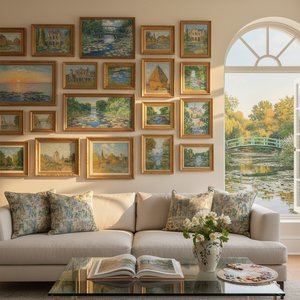
La colección del museo es un tapiz meticulosamente tejido de la historia del arte europeo, caracterizado por su notable profundidad y rigor académico. Los visitantes suelen quedar cautivados, en primera instancia, por la exquisita maestría que se encuentra en las obras del siglo XIX, donde el delicado juego de luces y sombras evoca una sensación de profunda nostalgia. Las galerías albergan tesoros significativos de las eras impresionista y postimpresionista, permitiendo rastrear la evolución de la percepción misma. Sin embargo, es la capacidad del museo para tender puentes entre estos cimientos clásicos y la vanguardia lo que verdaderamente lo distingue. La presencia de instalaciones modernas y obras contemporáneas crea una tensión rítmica, desafiando al espectador a encontrar los hilos de continuidad entre un retrato renacentista y una abstracción minimalista.
Ritmo Arquitectónico y Luz
La arquitectura de la Kunsthalle Bremen sirve como un majestuoso recipiente para este viaje artístico. El edificio en sí es una maravilla arquitectónica que equilibra el peso de la tradición con la ligereza del diseño moderno. Su estructura proporciona una cadencia rítmica a la experiencia de la contemplación, con espacios diseñados para manipular la luz natural de maneras que infunden vida a los lienzos que iluminan. Esta intencionalidad espacial convierte al museo en una piedra angular para aquellos interesados en la intersección entre el arte y el entorno. La forma en que las galerías se despliegan —expandiéndose a veces en grandes y aireados salones, y otras veces retirándose hacia alcobas íntimas y contemplativas— refleja la complejidad de la experiencia humana, haciendo que cada visita se sienta como un nuevo descubrimiento.
Un Catalizador Cultural Dinámico
Lo que hace que la Kunsthalle Bremen sea verdaderamente única es su papel como un catalizador cultural dinámico a través de sus exposiciones rotativas. El museo no descansa sobre sus laureles históricos; por el contrario, se reinventa constantemente mediante ambiciosas exposiciones de clase mundial que traen movimientos artísticos globales a las orillas del río Weser. Estas muestras temporales suelen presentar temas innovadores que exploran la identidad, la naturaleza y la frontera digital, asegurando que la institución permanezca en la vanguardia del discurso contemporáneo. Es esta rara combinación de una prestigiosa colección permanente y un enfoque audaz hacia nuevas narrativas lo que consolida su estatus como un destino esencial para cualquiera que busque comprender el latido del arte moderno.