

 Enviar
 Compartir
 Detalles

 Descargar
 Similares
 Presentación de diapositivas
Seated Cupid


 Ver más
Giclée / Impresión de arte
Impresiones giclée o en lienzo de calidad de museo con producción rápida y opciones de acabado flexibles. ( Comprar pintura hecha a mano Comprar imagen)




































Elija entre nuestros tamaños predefinidos que respetan las proporciones originales de la obra.

Puede introducir sus propias dimensiones para adaptarse a un marco o espacio específico. Si el tamaño seleccionado no coincide con las proporciones de la imagen original, recortaremos la obra de arte o extenderemos la imagen con un borde con efecto espejo o de color sólido. Se enviará una maqueta digital para su aprobación antes de que comience la producción.
Tenga en cuenta que la vista previa en pantalla no refleja el recorte o la extensión real. Solo la maqueta mostrará con precisión la composición final.
Aunque existen tamaños personalizados, recomendamos seleccionar una dimensión de la lista predefinida para preservar las proporciones originales.
Envío a todo el mundo () en 2 semanas en lugar de las 4/5 semanas estándar. (30 agosto)

Envío exprés gratuito a todo el mundo

Lienzo de lino de alta calidad

Seguro de envío total

Garantía de reembolso de impuestos aduaneros

Garantía de fidelidad cromática exacta

Política de devolución de 60 días (solo por defectos)

Garantía de devolución del 100% del dinero

Descuento por cantidad
 La opción de vidrio solo está disponible en tamaños inferiores a 110 cm.

Seated Cupid
Giclée / Impresión de arte
Dimensiones de la reproducción
-


Precio total final
$ 80
The Enigmatic Embrace: Introducing Seated Cupid
Étienne-Maurice Falconet’s “Seated Cupid,” crafted around 1757, is more than just a depiction of the Roman god; it's an exquisitely rendered meditation on desire, secrecy, and the potent allure of youthful passion. This marble sculpture, now housed in various collections including the Rijksmuseum in Amsterdam, immediately captivates with its poised elegance and subtly unsettling atmosphere. Falconet masterfully captures a moment suspended between invitation and warning – a visual embodiment of the complex emotions associated with love’s initial bloom.
A Rococo Masterpiece: Style and Technique
Falconet’s style is firmly rooted in the Rococo period, a time of refined beauty, playful asymmetry, and an emphasis on sensuality. The sculpture showcases this perfectly – observe the gentle curves of Cupid's body, the delicate folds of his drapery, and the almost languid pose that suggests both readiness and restraint. The use of Carrara marble is crucial; its pristine white provides a luminous backdrop for the figure’s subtle details, while allowing the sculptor to demonstrate remarkable skill in capturing texture and form. The meticulous carving reveals an astonishing level of detail – from the individual strands of his hair to the delicate quiver at his side – demonstrating Falconet's mastery of his medium.
Technically, Falconet employed a subtractive approach, carefully removing material from a larger block of marble to reveal the desired form. This method allowed for incredible precision and control, particularly evident in the rendering of Cupid’s face—a study in youthful innocence tempered with a hint of knowing mischief. The subtle shading and highlights create a remarkable sense of volume and depth, bringing the statue to life.
Historical Context: Pompadour's Patronage and Sèvres Porcelain
The sculpture’s creation coincided with a period of immense artistic patronage under Madame de Pompadour, mistress of King Louis XV. She was renowned for her discerning taste and her support of the arts, commissioning numerous works from leading sculptors and artists. “Seated Cupid” was specifically created for her, embodying the ideals of beauty and pleasure that she championed. Furthermore, Falconet’s appointment as director of the sculpture atelier at the Royal Sèvres Porcelain Manufactory in 1757 marked a pivotal moment in the history of porcelain sculpture. He revolutionized the production of small-scale figurines, elevating them to an art form through his innovative designs and meticulous execution.
Symbolism: The Language of Desire
The symbolism within “Seated Cupid” is layered and intriguing. His pose—seated on a cloud-like pedestal – immediately establishes him as a divine figure, elevated above the mundane world. The finger to his lips is perhaps the most compelling element; it’s an invitation to secrecy, a suggestion that love's promises are best kept hidden. The quiver of arrows hints at Cupid’s power to inflict both joy and pain, while the delicate rose sprigs symbolize beauty and romance. The overall effect is one of alluring mystery – a reminder that love can be both intoxicatingly beautiful and potentially dangerous.
A Timeless Appeal: Reproduction and Interior Design
“Seated Cupid” remains an enduring symbol of romantic allure, making it a popular subject for reproductions. When selecting a high-quality reproduction, consider the materials used – hand-painted marble or resin offer the most authentic representation of Falconet’s original work. This sculpture's graceful form and evocative symbolism make it a perfect addition to any interior space, bringing a touch of timeless elegance and romantic intrigue to your home.
Biografía del artista
Étienne Maurice Falconet: Sculptor of Grandeur and Delicate Beauty
Étienne Maurice Falconet (1 December 1716 – 24 January 1791) stands as a pivotal figure in the late Baroque, Rococo, and early Neoclassical periods of French sculpture. Born into modest circumstances in Paris, his journey from a humble apprenticeship to becoming one of the most celebrated artists of his time is a testament to talent, ambition, and an extraordinary ability to capture both power and grace. Falconet’s legacy rests primarily on two monumental achievements: the colossal bronze statue of Peter the Great, “The Bronze Horseman,” in St. Petersburg, Russia, and his prolific contributions to the Royal Sèvres porcelain manufactory, where he elevated small-scale sculpture to an art form in its own right. His work embodies a harmonious blend of technical mastery, artistic sensitivity, and a deep understanding of the prevailing aesthetic trends of 18th-century France.Early Life and Artistic Training
Falconet’s early life was marked by a practical apprenticeship—he began as a marble cutter’s assistant, a far cry from the artistic circles he would soon enter. However, his innate talent for sculpting quickly shone through, producing clay and wood figures during his leisure hours that attracted the attention of Jean-Baptiste Lemoyne the Younger, a leading sculptor of the time. Lemoyne recognized Falconet's potential and took him as his pupil, providing invaluable training and guidance. This mentorship proved crucial, laying the foundation for Falconet’s subsequent success. Early works like “Milo of Croton” (1754), a remarkably lifelike depiction of the Greek hero, secured his admission to the Académie des Beaux-Arts, marking a significant step in his career and establishing him as a rising star within the Parisian art world. The sculpture’s realism and emotional depth were particularly striking for their time, demonstrating Falconet's keen observational skills and ability to imbue stone with human feeling. The influence of Jean-Baptiste Lemoyne is evident in Falconet’s early style—a refined elegance and a focus on classical forms—though Falconet quickly developed his own distinctive voice.The Rise to Prominence: Salons, Porcelain, and Patronage
Falconet's rise to prominence was further fueled by his participation in the lavish salons of 1755 and 1757, where he unveiled his celebrated marble sculptures, “L’Amour” (Love) and “The Bather” (also known as "Nymphe descendant au bain"). These works, characterized by their sensual themes, elegant poses, and exquisite detailing, captivated audiences and cemented Falconet's reputation for capturing the beauty of the human form with remarkable sensitivity. The “Bather,” in particular, is considered a masterpiece of Rococo sculpture, showcasing Falconet’s mastery of drapery, light, and shadow—elements that he would later skillfully employ in his monumental bronze statue. These early successes were not merely artistic achievements; they also reflected the prevailing tastes of the French court, where elegance, sensuality, and mythological subjects were highly valued. In 1757, Falconet was appointed director of the sculpture ateliers at the new Royal Sèvres porcelain manufactory, a position that profoundly shaped his career.Revolutionary Contributions to Sèvres Porcelain
Falconet’s tenure at Sèvres was nothing short of transformative. He elevated small-scale sculpture to an art form in its own right, moving beyond simple decorative elements and creating exquisite figurines depicting mythological figures, pastoral scenes, and classical subjects. His innovative approach involved using bisque porcelain—a technique that left the pieces unglazed—allowing for a remarkable level of detail and texture. He introduced new techniques and designs, producing a series of beloved “enfants” (children) – miniature sculptures representing various figures from Greek mythology and classical literature. These figurines became immensely popular throughout Europe, establishing a distinct aesthetic tradition associated with Sèvres porcelain. Falconet’s work at Sèvres demonstrated an understanding of both technical mastery and artistic expression, showcasing the potential for delicate detail and narrative storytelling within the constraints of a small-scale medium. The influence of François Boucher, known for his opulent and sensual Rococo style, is also evident in these porcelain works.The Monumental Achievement: “The Bronze Horseman”
A pivotal moment in Falconet’s career arrived in 1766 when he was invited to St. Petersburg by Catherine the Great, then Empress of Russia. This invitation marked a dramatic shift in his artistic trajectory, leading him to undertake one of the most ambitious projects of his career: the creation of “The Bronze Horseman,” a colossal equestrian statue commemorating Peter the Great’s victory over Sweden. Working alongside his pupil and stepdaughter, Marie-Anne Collot, Falconet spent years meticulously crafting this monumental work—a testament to his skill and determination. The sheer scale and technical complexity of the sculpture—requiring an enormous amount of bronze—testified to Falconet’s ability to execute a project of immense proportions. The statue's imposing presence and dynamic composition continue to inspire awe today, representing not only Peter the Great but also the power and grandeur of the Russian Empire.Legacy and Historical Significance
Despite facing challenges during the French Revolution, which resulted in the destruction of many of his religious works, Falconet’s legacy endures through “The Bronze Horseman” and his exquisite porcelain sculptures. His ability to seamlessly blend technical skill with artistic vision continues to resonate with viewers today. He remains a significant figure in the history of European sculpture, representing the transition from the Baroque to Neoclassicism and embodying the aesthetic ideals of the 18th century—elegance, sensuality, and a profound appreciation for classical forms. His work serves as a reminder of the power of art to capture both the grandeur of historical events and the beauty of the human form.
Étienne-Maurice Falconet
1716 - 1791 , Francia
Datos clave
- Artistic Movement Or Style: Barroco, Rococó, Neoclásico
- Artists Or Movements Influenced By This Artist: ['Boucher']
- Artists Who Influenced This Artist: ['Lemoyne']
- Date Of Birth: 1716-12-01
- Date Of Death: 1791-01-24
- Full Name: Étienne Maurice Falconet
- Nationality: Francés
- Notable Artworks:
- Caballero de Bronce
- Flora
- Milo Crotona
- Place Of Birth: París, Francia
Artículos relacionados

The Enduring Allure of Marble in Art History: From Classical Sculpture to Modern Abstraction
Explore the captivating history of marble sculpture from ancient Greece to modern art. Discover renowned artists like Canova & Michelangelo, carving techniques, and investment insights at OriginalUniqueArt.

Esculturas de Bronce Legendarias: 10 Obras Maestras que Transformaron el Arte | OriginalUniqueArt
Descubre las 10 esculturas de bronce más legendarias que revolucionaron el arte. Explora la historia de Rodin, Degas y otros maestros del bronce. Encuentra reproducciones de alta calidad e inspiración para tu hogar en OriginalUniqueArt.com.

The Enduring Form: Exploring Themes & Techniques in Sculpture Across Historical Periods
Explore the rich history of sculpture from ancient masterpieces to contemporary innovations. Discover key techniques, influential artists & investment potential for discerning art collectors.
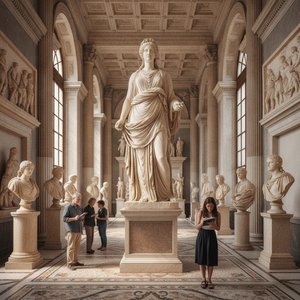
Timeless Grandeur: Exploring the Eternal Beauty and Art-Historical Legacy of Marble Sculpture
Explore the profound legacy of marble sculpture, from Classical antiquity to Neoclassical mastery. A definitive guide for elite collectors and designers seeking to integrate the luminous, eternal beauty of stone into sophisticated, high-end architectural spaces.

Timeless Elegance: A Complete Guide to the Sublime Beauty and Artistry of Marble Sculpture
Discover the sublime beauty of marble art through an expert exploration of Renaissance and Neoclassical masterpieces. From the delicate textures of Carpeaux to the grandeur of Sansovino, immerse yourself in a guide to timeless elegance and sculptural perfection.

