
 Vista previa
 Compartir
 Compartir
 Ver detalles
 Guía
Guía

 Descargar
 Ver artículos similares
 Radiografía
 Presentación de diapositivas
 Estadísticas
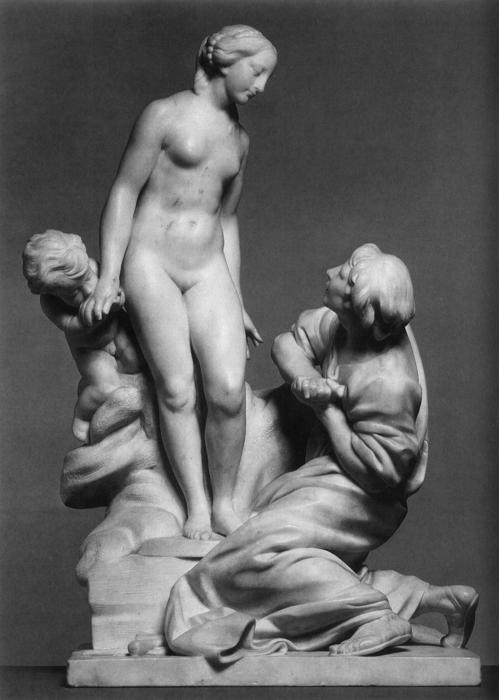
Pygmalion and Galatea


 Leer más
Giclée / Impresión de arte
Impresiones giclée o en lienzo de calidad de museo con producción rápida y opciones de acabado flexibles. ( Encargar reproducción pintada a mano Ver versión en imagen digital)




P118B $10

P118H $10

P118W $10

P438Z $10

P508JH $12

P508YH $12

P805H $10

P805Z $10

P919BZ $10

P919G $10

P919XJ $10

P959ZH $10

P968JZ $12

W106C $8

W218G $10

W218JH $8

W218Y $10

W307PJ $10

W316G $10

W316PJ $8

W316Y $10

W398PJ $8

W4111J $10

W500HY $15

W500JH $15

W692G $12

W849H $8

W940BG $15

W953PJ $8




Elija entre nuestros tamaños predefinidos que respetan las proporciones originales de la obra.

Puede introducir sus propias dimensiones para adaptarse a un marco o espacio específico. Si el tamaño seleccionado no coincide con las proporciones de la imagen original, recortaremos la obra de arte o extenderemos la imagen con un borde con efecto espejo o de color sólido. Se enviará una maqueta digital para su aprobación antes de que comience la producción.
Tenga en cuenta que la vista previa en pantalla no refleja el recorte o la extensión real. Solo la maqueta mostrará con precisión la composición final.
Aunque existen tamaños personalizados, recomendamos seleccionar una dimensión de la lista predefinida para preservar las proporciones originales.
Envío a todo el mundo () en 2 semanas en lugar de las 4/5 semanas estándar. (25 septiembre)

Envío exprés gratuito a todo el mundo

Lienzo de lino de alta calidad

Seguro de envío completo

Garantía de reembolso de impuestos aduaneros

Garantía de fidelidad cromática exacta

Política de devolución de 100 días (solo por defectos)

Garantía de devolución del 100% del dinero

Oferta por volumen
 La opción de vidrio solo está disponible en tamaños inferiores a 110 cm.

Pygmalion and Galatea
Giclée / Impresión de arte
Tamaño de la reproducción
-


Precio total
$ 80
The Sculptor’s Dream: Pygmalion and Galatea
Étienne Maurice Falconet's "Pygmalion and Galatea," completed in 1763, isn’t merely a depiction of a classical myth; it’s a poignant exploration of creation, longing, and the transformative power of love. This marble sculpture, now housed at The Walters Art Museum, captures a pivotal moment – the instant when Pygmalion, captivated by his own meticulously crafted statue, witnesses Galatea awaken to life under the benevolent gaze of Venus. More than just a narrative scene, Falconet masterfully conveys an intense emotional current, inviting viewers into the sculptor’s very soul.
The sculpture's composition is remarkably dynamic, eschewing the static formality often associated with Neoclassical art. Pygmalion, kneeling in adoration, is rendered with a palpable sense of vulnerability and astonishment. His posture – slightly bowed, hand outstretched – speaks volumes about his sudden realization. Galatea stands tall and graceful, her pose radiating an ethereal beauty that contrasts subtly with the more grounded physicality of her creator. The inclusion of Cupid, positioned on the left, adds a layer of divine intervention, reinforcing the theme of creation by a higher power. Falconet’s skill lies not just in anatomical accuracy but in his ability to imbue these figures with a sense of movement and life – as if we are witnessing a secret, deeply personal moment unfold.
A Masterclass in Marble: Technique and Detail
Falconet's technical prowess is immediately evident in the sculpture’s exquisite detail. The marble itself has been treated with remarkable precision; the smooth curves of Galatea’s body contrast sharply with the textured folds of Pygmalion’s clothing, creating a compelling interplay of surface qualities. Notice particularly the delicate rendering of her drapery – each fold and pleat meticulously carved to suggest both weight and movement. The artist's use of light and shadow further enhances this sense of realism, highlighting the contours of the figures and adding depth to the composition. The overall effect is one of breathtaking craftsmanship, a testament to Falconet’s mastery of his medium.
Beyond mere technical skill, Falconet demonstrates an understanding of how marble itself can convey emotion. The cool, pale tones of the stone contribute to the sculpture's serene atmosphere, while subtle variations in shade suggest the play of light and shadow on the figures’ skin. This attention to detail elevates the work beyond a simple representation of a mythological scene; it becomes a meditation on beauty, love, and the very nature of creation.
Myth, Symbolism, and Emotional Resonance
The story of Pygmalion and Galatea is rich in symbolism, exploring themes that have resonated with artists and audiences for centuries. The sculpture represents not only the power of artistic creation but also the potential for human longing and the yearning for unattainable beauty. Pygmalion’s initial detachment from women, his subsequent fall in love with a statue, speaks to the transformative nature of passion – how it can elevate our perception of the world and even breathe life into inanimate objects.
Venus, as the goddess of love, acts as a catalyst for this transformation. Her presence underscores the divine element at play, suggesting that true beauty is not merely a product of human skill but also a gift from the gods. The sculpture’s emotional impact lies in its ability to evoke feelings of tenderness, wonder, and perhaps even a touch of melancholy – a recognition of the bittersweet nature of love and creation.
A Legacy of Beauty: Falconet's Enduring Influence
Étienne Maurice Falconet’s “Pygmalion and Galatea” stands as a cornerstone of Neoclassical sculpture, influencing generations of artists with its elegant composition, technical brilliance, and profound emotional depth. His work on the colossal bronze statue of Peter the Great in St. Petersburg cemented his reputation as one of the most important sculptors of his time, while his contributions to Sèvres porcelain demonstrated his versatility and artistic vision. Today, this remarkable sculpture continues to captivate viewers with its timeless beauty and enduring message – a testament to the power of art to transform not only our understanding of the world but also ourselves.
Biografía del artista
El Escultor de la Grandeza y la Belleza Delicada
Étienne Maurice Falconet se erige como una figura fundamental en los periodos del Barroco tardío, el Rococó y el Neoclasicismo temprano de la escultura francesa. Nacido en París en 1716, su trayectoria, que partió de un humilde aprendizaje hasta convertirse en uno de los artistas más celebrados de su época, es un testimonio de talento, ambición y una capacidad extraordinaria para capturar tanto la fuerza como la gracia. Los primeros años de Falconet estuvieron marcados por el trabajo manual; comenzó como asistente de un tallador de mármol, algo muy alejado de los prestigiosos círundos artísticos que eventualmente lideraría. Sin embargo, su talento innato para la escultura brilló rápidamente, produciendo figuras de arcilla y madera durante sus horas de ocio que atrajeron la atención de Jean-Baptiste Lemoyne el Joven. Esta mentoría resultó crucial, proporcionándole la formación formal y la guía necesarias para transformar a un hábil artesano en un maestro de las bellas artes.
A medida que la reputación de Falconet crecía, también lo hacía su capacidad para navegar las cambiantes mareas estéticas del siglo XVIII. Su obra tendió un puente perfecto entre la energía ornamentada y juguetona del Rococó y los ideales disciplinados y heroicos del Neoclasicismo. Obras maestras tempranas como Milón de Crotona (1754) aseguraron su ingreso en la Académie des Beaux-Arts, marcando un hito significativo en su carrera. En esta obra, Falconet demostró una capacidad notable para el realismo y la profundidad emocional, dotando a la fría piedra de la lucha visceral y la fuerza legendaria del atleta griego. Su talento para capturar el sentimiento humano a través de la precisión anatómica lo estableció como una estrella ascendente dentro del mundo del arte parisino.
Un Legado en Bronce y Porcelana
Mientras que muchos escultores son recordados por un único medio, la versatilidad de Falconet le permitió dejar una huella indeleble tanto en el bronce monumental como en la delicada porcelana. Quizás su logro más perdurable sea la colosal estatua de bronce de Pedro el Grande, conocida como "El Jinete de Bronce", ubicada en San Petersburgo, Rusia. Esta obra monumental sirve como un triunfo de escala y simbolismo, capturando el espíritu imperial del Zar ruso a través de un movimiento dinámico y una presencia imponente. Sigue siendo uno de los hitos escultóricos más icónicos de Europa, representando la cúspide de su capacidad para ejecutar narrativas históricas a gran escala.
Paralelamente a sus monumentales obras en bronce, Falconet desempeñó un papel transformador en la Manufactura Real de Porcelana de Sèvres. Aquí, elevó la escultura de pequeña escala a una forma de arte por derecho propio, infundiendo delicadas figuras de porcelana con la misma gracia y sofisticación presentes en sus obras de mármol. Sus contribuciones a Sèvres ayudaron a definir la estética de la época, combinando la elegancia con detalles intrincados. Su habilidad para dominar tanto lo masivo como lo minúsculo se refleja en un cuerpo de trabajo diverso que incluye:
- Pigmalión y Galatea: Una impresionante escultura en mármol que captura el momento mítico en que Afrodita insufla vida a la piedra, encarnando la esencia de la creación artística.
- Flora: Una obra maestra en mármol de 1751 que muestra su maestría neoclásica a través de una belleza serena y una forma elegante.
- Milón de Crotona: Una representación dinámica de fuerza y lucha que resalta su destreza para capturar una intensa emoción física.
A través de su dominio de diversas escalas y estilos, Étienne Maurice Falconet moldeó el lenguaje visual de su siglo. Ya sea mediante el drama sobrecogedor de un monumento público o el encanto íntimo de una figurilla de porcelana, su obra continúa resonando como una profunda exploración de la emoción humana, el mito y la belleza perdurable de la forma.

Étienne Maurice Falconet
1716 - 1791 , Francia
Datos clave
- Artistic Movement Or Style: Barroco, Rococó, Neoclásico
- Artists Or Movements Influenced By This Artist: ['Boucher']
- Artists Who Influenced This Artist: ['Lemoyne']
- Date Of Birth: 1716-12-01
- Date Of Death: 1791-01-24
- Full Name: Étienne Maurice Falconet
- Nationality: Francés
- Notable Artworks:
- Caballero de Bronce
- Flora
- Milo Crotona
- Place Of Birth: París, Francia
Artículos relacionados

The Enduring Allure of Marble in Art History: From Classical Sculpture to Modern Abstraction
Explore the captivating history of marble sculpture from ancient Greece to modern art. Discover renowned artists like Canova & Michelangelo, carving techniques, and investment insights at OriginalUniqueArt.
Timeless Elegance: A Complete Guide to the Sublime Beauty and Artistry of Marble Sculpture
Discover the sublime beauty of marble art through an expert exploration of Renaissance and Neoclassical masterpieces. From the delicate textures of Carpeaux to the grandeur of Sansovino, immerse yourself in a guide to timeless elegance and sculptural perfection.

Esculturas de Bronce Legendarias: 10 Obras Maestras que Transformaron el Arte | OriginalUniqueArt
Descubre las 10 esculturas de bronce más legendarias que revolucionaron el arte. Explora la historia de Rodin, Degas y otros maestros del bronce. Encuentra reproducciones de alta calidad e inspiración para tu hogar en OriginalUniqueArt.com.

Timeless Grandeur: Exploring the Eternal Beauty and Art-Historical Legacy of Marble Sculpture
Explore the profound legacy of marble sculpture, from Classical antiquity to Neoclassical mastery. A definitive guide for elite collectors and designers seeking to integrate the luminous, eternal beauty of stone into sophisticated, high-end architectural spaces.

The Enduring Form: Exploring Themes & Techniques in Sculpture Across Historical Periods
Explore the rich history of sculpture from ancient masterpieces to contemporary innovations. Discover key techniques, influential artists & investment potential for discerning art collectors.