Vista previa
 Compartir
 Compartir
 Ver detalles
 Guía
Guía

 Descargar
 Ver artículos similares
 Radiografía
 Presentación de diapositivas
 Estadísticas
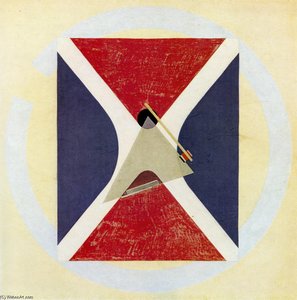
Viva la Commune 1871


 Leer más
Giclée / Impresión de arte
Impresiones giclée o en lienzo de calidad de museo con producción rápida y opciones de acabado flexibles. ( Encargar reproducción pintada a mano Ver versión en imagen digital)




P118B €10

P118H €10

P118W €10

P438Z €10

P508JH €12

P508YH €12

P805H €10

P805Z €10

P919BZ €10

P919G €10

P919XJ €10

P959ZH €10

P968JZ €12

W106C €8

W218G €10

W218JH €8

W218Y €10

W307PJ €10

W316G €10

W316PJ €8

W316Y €10

W398PJ €8

W4111J €10

W500HY €15

W500JH €15

W692G €12

W849H €8

W940BG €15

W953PJ €8




Elija entre nuestros tamaños predefinidos que respetan las proporciones originales de la obra.

Introduzca el ancho y el alto que necesite para adaptarse a su marco o pared. Una impresión solo puede recortarse, nunca hacerse más grande que la imagen original, por lo que un tamaño con una forma distinta perderá parte de la obra. Le enviaremos una maqueta digital para su aprobación antes de realizar cualquier impresión. La imagen que se muestra en esta página no refleja el recorte real; solo la maqueta lo hace.
Envío a todo el mundo () en 2 semanas en lugar de las 4/5 semanas estándar. (23 octubre)

Envío exprés gratuito a todo el mundo

Lienzo de lino de alta calidad

Seguro de envío completo

Garantía de reembolso de impuestos aduaneros

Garantía de fidelidad cromática exacta

Política de devolución de 100 días (solo por defectos)

Garantía de devolución del 100% del dinero

Oferta por volumen
 La opción de vidrio solo está disponible en tamaños inferiores a 110 cm.

Viva la Commune 1871
Giclée / Impresión de arte
Tamaño de la reproducción
-


Precio total
€ 70
Vive la Commune 1871: A Collage of Revolution and Memory
El Lissitzky’s “Vive la Commune 1871” isn't merely a painting; it’s an audacious declaration—a visual manifesto born from the fervor of the Russian avant-garde movement. Created in 1923, this monumental artwork transcends traditional representation, opting instead for a complex collage that captures the spirit of Paris during the tumultuous events surrounding the Siege of Verdun and the subsequent uprising of May 1871 – a pivotal moment in European history.
- Subject Matter: The composition confronts viewers with an arresting panorama of images depicting the Commune. Photographs of prominent figures like Victor Hugo, Georges Clemenceau, and Jean Jaurès dominate the canvas alongside architectural sketches illustrating Parisian landmarks—the Sacré-Coeur Basilica and Notre Dame Cathedral—representing both grandeur and vulnerability.
- Style: Lissitzky’s style embodies Suprematism – a radical artistic movement that championed pure geometric abstraction as a vehicle for conveying spiritual truths. Rejecting illusionistic painting, he prioritized fundamental forms like squares and circles, believing they could express universal concepts more effectively than figurative imagery.
- Technique: The artwork utilizes a layered technique combining photographic prints adhered to canvas with meticulously crafted painted elements. Lissitzky employed a bold palette of reds, yellows, and blacks—colors associated with revolutionary fervor—to create striking contrasts that heighten the visual impact. The careful placement of each photograph contributes to the overall dynamism and reinforces the collage’s conceptual core.
Beyond its formal qualities, “Vive la Commune 1871” resonates deeply with the historical context of its creation. Produced during Lenin's consolidation of power following the October Revolution, it serves as a powerful symbol of socialist idealism and commemorates the bravery of Parisians who defended their city against imperial forces. Lissitzky’s intention wasn’t to depict events verbatim; rather, he sought to distill the essence of the Commune—its spirit of defiance, its commitment to liberty, and its enduring legacy—into an unforgettable visual experience.
- Symbolism: The geometric forms – particularly the prominent square – represent stability and order amidst chaos. Simultaneously, they symbolize the aspiration for a new social order rooted in rationality and universality. The juxtaposition of photographs and painted elements underscores the interplay between memory and abstraction, reflecting Lissitzky’s belief that art could transcend time and communicate profound ideas.
“Vive la Commune 1872” continues to captivate audiences today because it embodies a timeless vision of artistic expression. Its bold aesthetic and conceptual depth invite contemplation on themes of revolution, remembrance, and the transformative power of abstraction. A reproduction offers an opportunity to immerse oneself in Lissitzky’s groundbreaking approach to art history and to appreciate the enduring beauty of this iconic masterpiece.
Preguntas y respuestas
¿Quién es el autor de "Viva la Commune 1871" y a qué movimiento pertenece?
El Lissitzky creó "Viva la Commune 1871" dentro del movimiento Constructivist Suprematism.
¿Puedo ver "Viva la Commune 1871" como una presentación de diapositivas a pantalla completa?
Hay una presentación de diapositivas disponible: la página Presentación de diapositivas de "Viva la Commune 1871" de El Lissitzky.
¿Qué estado de ánimo expresa "Viva la Commune 1871" de El Lissitzky dentro de Constructivist Suprematism?
La emoción Reflexivo de "Viva la Commune 1871" acompaña a su estilo Constructivist Suprematism.
Biografía del artista
vida temprana y educación
El Lissitzky, un reconocido artista, diseñador, fotógrafo, tipógrafo, polémico y arquitecto ruso, nació el 23 de noviembre de 1890 en Pochinok, Rusia. Su vida temprana estuvo marcada por un interés innato en dibujar, lo que le llevó a recibir instrucción de Yehuda Pen, un artista judío local, a los 13 años.carrera e influencias
La carrera de Lissitzky se caracterizó por su colaboración con Kazimir Malevich en el desarrollo del suprematismo, influyendo significativamente en los movimientos Bauhaus y constructivista. Su obra, que abarcaba diversos medios, desempeñó un papel fundamental en la configuración del diseño gráfico del siglo XX.- Contribuciones clave:
- Desarrolló el grupo artístico suprematista Unovis con Kazimir Malevich
- Creó la serie Proun, una variante de la serie suprematista
- Sirvió como embajador cultural ruso a Weimar, Alemania, influyendo en las figuras clave del movimiento Bauhaus y De Stijl.
- Innovaciones:
- Tipografía
- Diseño de exposiciones
- Fotomontaje
- Diseño de libros
obras notables y legado
Algunas de las obras notables de Lissitzky incluyen:- El Constructor (1924), un fotomontaje autorretrato que presenta temas recurrentes como la mano de Dios, vinculando su herencia judía con los movimientos artísticos contemporáneos.
- Un cartel de propaganda soviético (1941), una de sus últimas obras, instando a la gente a construir más tanques para luchar contra la Alemania nazi.
museos y colecciones
La obra de Lissitzky se puede encontrar en varios museos, incluyendo:- Museo de Arte de Taganrog, Rusia /es/art/show/art-d3bb5m-es/
- Museo de Arte de Novokuznetsk, Rusia /es/art/show/art-d3akex-es/
fundación y catálogo razonado
En 2014, se estableció la Fundación Lissitzky en colaboración con el Museo Van Abbemuseum y académicos líderes de todo el mundo para preservar el legado del artista y preparar un catálogo razonado de su obra.- Para obtener más información sobre El Lissitzky, visite: https://OriginalUniqueArt.com/@/el-lissitzky
- Explore las obras expuestas en el Museo de Arte de Taganrog: /es/art/show/to-explore-the-artworks-exhibited-in-taganrog-art-museum/
referencias:
- https://en.wikipedia.org/wiki/el_lissitzky
- https://OriginalUniqueArt.com/@/el-lissitzky

El Lissitzky
1890 - 1941 , Rusia
Datos clave
- Artistas Influenciados Por Este Artista:
- Bauhaus
- De Stijl
- Artistas Que Influyeron: ['Kazimir Malevich']
- Fecha De Muerte: 1941
- Fecha De Nacimiento: 23 de noviembre de 1890
- Lugar De Nacimiento: Pochinki, Rusia
- Movimiento Artístico: Suprematismo, Constructivismo
- Nacionalidad: Ruso
- Nombre Completo: El Lissitzky
- Obras Notables:
- El Constructor (1924)
- Serie Proun
- Cartel de propaganda soviético
Artículos relacionados
Deconstruyendo la Realidad: La Revolución Estética y el Contexto Histórico del Cubo-Futurismo
Explora la revolución estética del Cubo-Futurismo ruso. Análisis profundo de Malevich, Filonov y el Constructivismo. Descubre su contexto histórico e influencia en el arte moderno con OriginalUniqueArt.

El Arte del Collage: La Revolución de la Fragmentación y su Legado en la Historia del Arte Moderno
Descubre la fascinante historia del collage, desde su revolución cubista con Picasso y Braque hasta el arte contemporáneo. Un recorrido académico por la técnica de unir fragmentos para crear nuevas realidades visuales. Explora el legado de las grandes obras maestras.
10 obras maestras del collage que revolucionaron el arte moderno
Explora 10 obras maestras del collage que redefinieron el arte. Desde Picasso hasta Matisse, descubre la historia y técnica de estas piezas icónicas. Encuentra reproducciones de calidad de museo para tu colección en OriginalUniqueArt.com. ¡Explora la colección completa online!

Constructivismo Ruso: Ideología, Forma y el Impacto Revolucionario en el Arte del Siglo XX
Descubra el constructivismo ruso: su ideología revolucionaria, figuras clave y legado en el arte y diseño del siglo XX. Análisis experto y obras maestras imperdibles.

Estás imaginando la revolución equivocada. Quizás incluso dos revoluciones equivocadas.
¿Crees que conoces 'La Libertad guiando al pueblo' de Delacroix? Descubre la sorprendente verdad sobre las fechas de la Revolución Francesa frente a 1830. Explora la experiencia en historia del arte con OriginalUniqueArt, donde descodificamos las historias reales detrás de las obras maestras más icónicas del mundo.