

 Vista previa
 Compartir
 Compartir
 Ver detalles
 Guía
Guía

 Descargar
 Ver artículos similares
 Radiografía
 Presentación de diapositivas
 Estadísticas
Venus and Amor
 Oil
Oil- WallArt
- Rococo Style
 1740
1740- Early Modern
 40.0 x 31.0 cm
 Kunsthalle Bremen
 Leer más
Adquiera una imagen digital de alta resolución y optimizada, muy superior a la vista previa en línea.
Cada archivo es preparado meticulosamente por nuestros especialistas internos mediante el uso de herramientas avanzadas y un experto retoque manual. Nos aseguramos de que cada imagen posea una claridad excepcional, una precisión cromática impecable y un detalle minucioso.
El archivo final se entrega por correo electrónico en un plazo de 72 horas, optimizado para su uso inmediato en entornos profesionales, editoriales y de impresión. Esta es la misma calidad en la que confían los estudios de diseño, las editoriales y las galerías de primer nivel.
Imagen Digital
Descarga un archivo de alta resolución para exhibición personal, impresión y proyectos creativos. ( Cambiar a formato impreso Encargar reproducción pintada a mano)
Incluido en cada pedido de imágenes digitales
Entrega digital experta, garantizada.
Al elegir OriginalUniqueArt.com, no solo está adquiriendo una imagen; está recibiendo una obra de arte digital mejorada profesionalmente, elaborada con precisión y respaldada por una garantía de satisfacción. Esto es todo lo que incluye su pedido, automáticamente:

Entrega inmediata por email
Recibirá su archivo de imagen digital en alta resolución por correo electrónico en un plazo de 72 horas tras realizar su pedido, listo para su uso inmediato.

Archivo digital optimizado por IA
Su obra de arte se optimiza profesionalmente mediante herramientas avanzadas de IA y edición manual, garantizando el máximo detalle, claridad y precisión cromática.

Reenvío gratuito de por vida
¿Has borrado o perdido tu archivo por error? No te preocupes: te lo volveremos a enviar en cualquier momento, sin coste adicional.

Sin gastos de importación, siempre
Disfrute de su obra de arte al instante sin aduanas, aranceles ni gastos de envío; las descargas digitales siempre están libres de impuestos.

Garantía de precisión de color
Garantizamos que su imagen digital refleje los colores originales con la mayor fidelidad posible, mediante el uso de herramientas profesionales y gestión del color.

Garantía de satisfacción de 100 días
Si no está satisfecho con su imagen digital, la revisaremos o le reembolsaremos el 100% en un plazo de 100 días, sin preguntas.

100% Garantía de devolución de dinero
¿No está satisfecho? Obtenga un reembolso completo dentro de los 100 días posteriores a la recepción de su archivo digital, sin preguntas.

Descuentos por volumen
Compra 3 imágenes, ahorra 10% - Compra 5, ahorra 15% - Compra 10+, ahorra 20%. Ideal para proyectos creativos, galerías y agencias.
A Symphony of Tenderness: The Rococo Grace of Venus and Amor
In the soft, luminous glow of Charles André van Loo’s 1740 masterpiece, Venus and Amor, we are invited into a realm where divinity meets the most intimate of human emotions. This exquisite painting serves as a quintessential emblem of the Rococo era, a period defined by its departure from the heavy, dramatic shadows of the Baroque in favor of light, air, and an almost ethereal elegance. As the eye wanders across the canvas, it is immediately captured by the serene interaction between the goddess of love and her young cherub. Van Loo does not merely depict a mythological scene; he captures a profound moment of maternal reverence, where the celestial and the terrestrial dissolve into a single, breathless heartbeat of affection.
The composition is a masterclass in the Rococo aesthetic, characterized by its delicate balance and flowing, curvilinear lines. Venus rests upon a rugged yet soft-edged rocky outcrop, her posture suggesting a quiet, contemplative stillness. Her gaze, directed downward toward the infant Amor, radiates a protective warmth that transcends her divine status. This tender connection is mirrored in the surrounding landscape, where scattered birds flit through the air, adding a subtle sense of movement and life to the otherwise tranquil scene. The artist’s use of a pastel-driven palette—dominated by creamy whites, blush pinks, and muted, mossy greens—creates an atmosphere of dreamlike tranquility, making the artwork feel less like a static image and more like a fleeting, beautiful memory.
Masterful Technique and Symbolic Resonance
Beyond its surface beauty, Venus and Amor reveals a sophisticated technical prowess that continues to inspire collectors and decorators alike. Van Loo employs advanced glazing techniques, layering thin, translucent veils of paint to achieve a luminous, pearlescent quality on the skin of the figures. This method allows light to appear as if it is emanating from within the canvas itself, highlighting the soft textures of drapery and the delicate features of the cherub. Every brushstroke is intentional, contributing to an overall sense of refinement and luxury that was highly prized in the French courts of Louis XV.
Symbolically, the painting is rich with layers of meaning that resonate deeply with the themes of renewal and innocence. The presence of the birds serves as a metaphor for freedom and the cyclical nature of life, while the very choice of subject matter—the goddess of love nurturing her offspring—speaks to the universal sanctity of the maternal bond. For the discerning interior designer or art enthusiast, this piece offers more than just visual appeal; it provides an emotional anchor. Whether placed in a sun-drenched morning room or a sophisticated gallery space, a high-quality reproduction of this work brings with it an aura of classical sophistication and a timeless sense of peace, making it an incomparable centerpiece for any curated collection.
Preguntas y respuestas
¿Es "Venus and Amor" de Charles-André van Loo de dominio público y por qué?
"Venus and Amor" de Charles-André van Loo es de en el dominio público: sus derechos de autor han expirado. Los términos de derechos de autor se calculan a partir del fallecimiento del artista, y Charles-André van Loo murió en 1765.
¿Qué edad tenía Charles-André van Loo cuando creó "Venus and Amor" en 1740?
Cuando se creó "Venus and Amor" en 1740, Charles-André van Loo —nacido/a en 1705— tenía 35 años.
¿Cómo puedo descubrir obras de arte similares a "Venus and Amor" de Charles-André van Loo?
La página de Similares de "Venus and Amor" de Charles-André van Loo presenta obras relacionadas.
Biografía del artista
Primeros Años y Formación
- Nacimiento: 15 de febrero de 1705, en Niza, Francia
- Antecedentes Familiares: Hijo de Louis-Abraham van Loo y hermano menor de Jean-Baptiste van Loo. Miembro de una exitosa dinastía de pintores de origen holandés.
- Educación Temprana: Formación inicial en Turín, seguida por estudios en Roma (1712) bajo las enseñanzas de Benedetto Luti y Pierre Legros.
- Estudios Parisinos: Asistió a la Académie royale, ganando el primer premio para dibujo en 1723 y pintura histórica en 1727.
Carrera Artística y Obras Notables
- Estilo: Principalmente conocido como pintor rococó, caracterizado por la elegancia, la gracia y el detalle ornamentado.
- Temática: Amplia gama que incluye retratos, escenas mitológicas, pinturas históricas, alegorías y escenas de género.
- Obras Significativas:
- Venus y Amor (Kunsthalle Bremen) – Demuestra maestría del estilo rococó.
- Alto de la Caza (The Metropolitan Museum of Art) - Captura actividades aristocráticas.
- Retrato de Marie Leszczynska, Reina de Francia – Un notable retrato real.
- Júpiter y Antiope - Muestra temas mitológicos.
- Autorretrato – Proporciona una visión del auto-concepto del artista.
- Perseo y Andromeda (múltiples versiones) – Ilustra habilidad en la representación de la mitología clásica.
- Mademoiselle Clairon como Medea (pequeña versión) - Un cautivador retrato rococó de 1760.
Patronazgo y Reconocimiento Real
- Patronazgo Real: Disfrutó del patronazgo de Madame de Pompadour y la corte francesa.
- Nombramiento en la Corte: Se convirtió en Primer Pintor del Rey Luis XV en 1762, un puesto prestigioso.
- Orden de San Miguel: Decorado con la Orden de San Miguel, lo que significaba el favor real.
Influencias y Legado
- Influencia Familiar: Fuertemente influenciado por su padre y hermano, ambos pintores consumados.
- Rivalidad: Competía con François Boucher, otro prominente artista rococó.
- Escuela Francesa Moderna: Su "simplicidad de estilo y corrección de diseño" influyó significativamente en la escuela francesa moderna de pintura.
- Fortuna Crítica: Si bien su posición crítica fluctuó con el tiempo, su habilidad y la amplitud de su obra merecen respeto.
Colecciones de Museos y Exploración Adicional
- Presencia en Museos: Sus obras se presentan en museos destacados como el Louvre (El Matrimonio de la Virgen), Kunsthalle Bremen y The Metropolitan Museum of Art.
- Recursos Adicionales:
- Página de OriginalUniqueArt sobre Charles-André van Loo: https://www.OriginalUniqueArt.com/artists/charles-andre-van-loo/
- Página de OriginalUniqueArt sobre los Mayores Artistas de Todos los Tiempos: https://www.OriginalUniqueArt.com/greatest-artists
- Museo Virtual de OriginalUniqueArt: https://www.OriginalUniqueArt.com/
- Artículo de Wikipedia: https://en.wikipedia.org/wiki/Charles-Andr%C3%A9_van_Loo
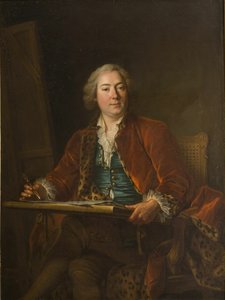
Charles-André van Loo
1705 - 1765 , Francia
Datos clave
- Artistas Que Influyeron:
- Benedetto Luti
- Pierre Le Gros
- Escuela Francesa Moderna: Influenciado
- Fecha De Fallecimiento: 15 de julio de 1765
- Fecha De Nacimiento: 15 de febrero de 1705
- Lugar De Nacimiento: Niza, Francia
- Movimiento Artístico: Rococó
- Nacionalidad: Francés
- Nombre Completo: Charles-André van Loo
- Obras Notables:
- Venus y Amor
- Alto de la Caza
- Retrato de Marie Leszczynska
- Júpiter y Antiope
- Autorretrato
- Perseo y Andrómeda