

 Vista previa
 Compartir
 Compartir
 Ver detalles
 Guía
Guía

 Descargar
 Ver artículos similares
 Radiografía
 Presentación de diapositivas
 Estadísticas
HALTE DE CHASSE


 Leer más
Adquiera una imagen digital de alta resolución y optimizada, muy superior a la vista previa en línea.
Cada archivo es preparado meticulosamente por nuestros especialistas internos mediante el uso de herramientas avanzadas y un experto retoque manual. Nos aseguramos de que cada imagen posea una claridad excepcional, una precisión cromática impecable y un detalle minucioso.
El archivo final se entrega por correo electrónico en un plazo de 72 horas, optimizado para su uso inmediato en entornos profesionales, editoriales y de impresión. Esta es la misma calidad en la que confían los estudios de diseño, las editoriales y las galerías de primer nivel.
Imagen Digital
Descarga un archivo de alta resolución para exhibición personal, impresión y proyectos creativos. ( Cambiar a formato impreso Encargar reproducción pintada a mano)
Incluido en cada pedido de imágenes digitales
Entrega digital experta, garantizada.
Al elegir OriginalUniqueArt.com, no solo está adquiriendo una imagen; está recibiendo una obra de arte digital mejorada profesionalmente, elaborada con precisión y respaldada por una garantía de satisfacción. Esto es todo lo que incluye su pedido, automáticamente:

Entrega inmediata por email
Recibirá su archivo de imagen digital en alta resolución por correo electrónico en un plazo de 72 horas tras realizar su pedido, listo para su uso inmediato.

Archivo digital optimizado por IA
Su obra de arte se optimiza profesionalmente mediante herramientas avanzadas de IA y edición manual, garantizando el máximo detalle, claridad y precisión cromática.

Reenvío gratuito de por vida
¿Has borrado o perdido tu archivo por error? No te preocupes: te lo volveremos a enviar en cualquier momento, sin coste adicional.

Sin gastos de importación, siempre
Disfrute de su obra de arte al instante sin aduanas, aranceles ni gastos de envío; las descargas digitales siempre están libres de impuestos.

Garantía de precisión de color
Garantizamos que su imagen digital refleje los colores originales con la mayor fidelidad posible, mediante el uso de herramientas profesionales y gestión del color.

Garantía de satisfacción de 100 días
Si no está satisfecho con su imagen digital, la revisaremos o le reembolsaremos el 100% en un plazo de 100 días, sin preguntas.

100% Garantía de devolución de dinero
¿No está satisfecho? Obtenga un reembolso completo dentro de los 100 días posteriores a la recepción de su archivo digital, sin preguntas.

Descuentos por volumen
Compra 3 imágenes, ahorra 10% - Compra 5, ahorra 15% - Compra 10+, ahorra 20%. Ideal para proyectos creativos, galerías y agencias.
A Symphony of Rococo Splendor
In the heart of the French Rococo era, few works capture the sheer opulence and leisurely grace of aristocratic life as vividly as Charles-André van Loo’s “HALTE DE CHASSE.” Painted in 1738, this masterpiece serves as a breathtaking window into the reign of Louis XV, offering much more than a mere depiction of a hunting expedition. It is an exquisitely crafted tableau, a carefully orchestrated celebration where the thrill of the chase meets the refined indulgence of a woodland feast. As the eye wanders through the lush, dappled sunlight filtering through the canopy, one does not simply observe a scene; one is invited to participate in a moment of timeless, aristocratic splendor.
The composition is a masterclass in Rococo density, designed to immerse the viewer in a world of abundance. Van Loo skillfully arranges his figures to create a sense of rhythmic movement and social harmony. In the foreground, a magnificent table serves as the anchor for the scene, laden with a cornucopia of delicacies—glinting wine glasses, ripe fruits, and delicate pastries that promise sensory delight. This central gathering of noblemen and ladies, draped in silks and fine linens, provides a static, elegant counterpoint to the dynamic squadron of horseback riders sweeping across the right side of the canvas. Through the clever use of diagonal lines, the artist guides our gaze from the intimate details of the picnic toward the energetic pursuit in the distance, ensuring that every corner of the painting vibrates with life.
The Artistry of Light and Texture
Technically, “HALTE DE CHASSE” is a triumph of oil on canvas, showcasing Van Loo’s ability to manipulate light and color to evoke deep emotional responses. The artist employs a sophisticated palette where warm, sun-drenched hues—russet reds, golden yellows, and creamy whites—interplay beautifully with the cooler, refreshing tones of emerald green and teal found in the surrounding foliage. This contrast not only mirrors the natural environment but also serves to highlight the exquisite textures of the nobility's attire. One can almost feel the tactile richness of the heavy fabric folds, the softness of the lace, and the smooth sheen of silk, all rendered with meticulous precision.
The lighting within the piece is profoundly naturalistic, suggesting a soft, diffused glow that bathes the entire assembly in a romantic, dreamlike atmosphere. Subtle highlights dance upon faces and glassware, creating a sense of three-dimensional volume and depth. As the landscape recedes into a hazy, atmospheric distance, Van Loo utilizes aerial perspective to expand the world beyond the immediate clearing, hinting at a vast, untamed wilderness that exists just beyond this pocket of civilization. For the collector or interior designer, this painting offers an unparalleled sense of depth and grandeur, making it a commanding focal point for any sophisticated space.
A Legacy of Elegance and Emotion
Beyond its technical brilliance, the painting resonates with profound symbolic weight. The abundance of food and drink is not merely decorative; it is a potent symbol of prosperity, peace, and the effortless indulgence characteristic of the 18th-century French court. There is an undeniable sense of camaraderie and joy permeating the scene—a shared moment of respite that celebrates the bonds of social class and the pleasures of nature. The elegance of the figures reflects a period where art was used to idealize life, turning a momentary pause in a hunt into an eternal monument of grace.
For those seeking to bring a touch of historical prestige and classical beauty into their homes, a high-quality reproduction of this work offers more than just decoration; it offers an atmosphere. Whether placed in a grand salon or a refined study, “HALTE DE CHASSE” evokes a sense of nostalgia for an era of unparalleled refinement. It remains a captivating choice for anyone looking to inspire awe and conversation through the timeless language of the Rococo style.
Preguntas y respuestas
¿Cómo puedo conseguir una lámina de "HALTE DE CHASSE" de Charles-André van Loo?
Puede solicitar una impresión de "HALTE DE CHASSE" de Charles-André van Loo directamente en su página de Impresión de bellas artes: una impresión de bellas artes sobre lienzo de algodón o papel de lienzo de archivo.
¿Existe una ficha informativa sobre "HALTE DE CHASSE" de Charles-André van Loo para estudiantes?
La página Guía de "HALTE DE CHASSE" de Charles-André van Loo ofrece una ficha informativa imprimible de dos hojas: la obra con su tabla de identidad, una línea de tiempo por décadas que la sitúa en la vida del artista, otras obras del mismo autor, la paleta de colores medida y citas listas para copiar en cuatro estilos diferentes.
¿Qué tema y atmósfera combina "HALTE DE CHASSE" de Charles-André van Loo?
"HALTE DE CHASSE" de Charles-André van Loo representa hunting scene, aristocracy, celebration, picnic, landscape, elegant figures, food abundance, con un ambiente Elegant. El tema y la atmósfera describen juntos la obra.
Biografía del artista
Primeros Años y Formación
- Nacimiento: 15 de febrero de 1705, en Niza, Francia
- Antecedentes Familiares: Hijo de Louis-Abraham van Loo y hermano menor de Jean-Baptiste van Loo. Miembro de una exitosa dinastía de pintores de origen holandés.
- Educación Temprana: Formación inicial en Turín, seguida por estudios en Roma (1712) bajo las enseñanzas de Benedetto Luti y Pierre Legros.
- Estudios Parisinos: Asistió a la Académie royale, ganando el primer premio para dibujo en 1723 y pintura histórica en 1727.
Carrera Artística y Obras Notables
- Estilo: Principalmente conocido como pintor rococó, caracterizado por la elegancia, la gracia y el detalle ornamentado.
- Temática: Amplia gama que incluye retratos, escenas mitológicas, pinturas históricas, alegorías y escenas de género.
- Obras Significativas:
- Venus y Amor (Kunsthalle Bremen) – Demuestra maestría del estilo rococó.
- Alto de la Caza (The Metropolitan Museum of Art) - Captura actividades aristocráticas.
- Retrato de Marie Leszczynska, Reina de Francia – Un notable retrato real.
- Júpiter y Antiope - Muestra temas mitológicos.
- Autorretrato – Proporciona una visión del auto-concepto del artista.
- Perseo y Andromeda (múltiples versiones) – Ilustra habilidad en la representación de la mitología clásica.
- Mademoiselle Clairon como Medea (pequeña versión) - Un cautivador retrato rococó de 1760.
Patronazgo y Reconocimiento Real
- Patronazgo Real: Disfrutó del patronazgo de Madame de Pompadour y la corte francesa.
- Nombramiento en la Corte: Se convirtió en Primer Pintor del Rey Luis XV en 1762, un puesto prestigioso.
- Orden de San Miguel: Decorado con la Orden de San Miguel, lo que significaba el favor real.
Influencias y Legado
- Influencia Familiar: Fuertemente influenciado por su padre y hermano, ambos pintores consumados.
- Rivalidad: Competía con François Boucher, otro prominente artista rococó.
- Escuela Francesa Moderna: Su "simplicidad de estilo y corrección de diseño" influyó significativamente en la escuela francesa moderna de pintura.
- Fortuna Crítica: Si bien su posición crítica fluctuó con el tiempo, su habilidad y la amplitud de su obra merecen respeto.
Colecciones de Museos y Exploración Adicional
- Presencia en Museos: Sus obras se presentan en museos destacados como el Louvre (El Matrimonio de la Virgen), Kunsthalle Bremen y The Metropolitan Museum of Art.
- Recursos Adicionales:
- Página de OriginalUniqueArt sobre Charles-André van Loo: https://www.OriginalUniqueArt.com/artists/charles-andre-van-loo/
- Página de OriginalUniqueArt sobre los Mayores Artistas de Todos los Tiempos: https://www.OriginalUniqueArt.com/greatest-artists
- Museo Virtual de OriginalUniqueArt: https://www.OriginalUniqueArt.com/
- Artículo de Wikipedia: https://en.wikipedia.org/wiki/Charles-Andr%C3%A9_van_Loo
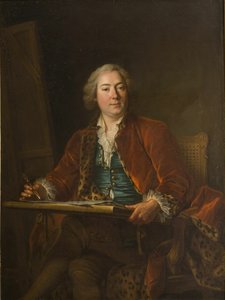
Charles-André van Loo
1705 - 1765 , Francia
Datos clave
- Artistas Que Influyeron:
- Benedetto Luti
- Pierre Le Gros
- Escuela Francesa Moderna: Influenciado
- Fecha De Fallecimiento: 15 de julio de 1765
- Fecha De Nacimiento: 15 de febrero de 1705
- Lugar De Nacimiento: Niza, Francia
- Movimiento Artístico: Rococó
- Nacionalidad: Francés
- Nombre Completo: Charles-André van Loo
- Obras Notables:
- Venus y Amor
- Alto de la Caza
- Retrato de Marie Leszczynska
- Júpiter y Antiope
- Autorretrato
- Perseo y Andrómeda