

 Vista previa
 Compartir
 Compartir
 Ver detalles

 Descargar
 Ver artículos similares
 Radiografía
 Presentación de diapositivas
 Estadísticas
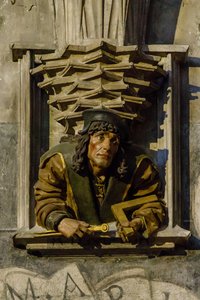
Self-portrait


 Leer más
Reproducción al óleo hecha a mano
Óleo sobre lienzo pintado a mano en el tamaño y marco de su elección, realizado por encargo por nuestros artistas. ( Cambiar a formato impreso Ver versión en imagen digital)




P118B $10

P118H $10

P118W $10

P438Z $10

P508JH $12

P508YH $12

P805H $10

P805Z $10

P919BZ $10

P919G $10

P919XJ $10

P959ZH $10

P968JZ $12

W106C $8

W218G $10

W218JH $8

W218Y $10

W307PJ $10

W316G $10

W316PJ $8

W316Y $10

W398PJ $8

W4111J $10

W500HY $15

W500JH $15

W692G $12

W849H $8

W940BG $15

W953PJ $8




Elija entre nuestros tamaños predefinidos que respetan las proporciones originales de la obra.

Puede ingresar sus propias dimensiones para adaptarse a un marco o espacio específico. Si el tamaño seleccionado no coincide con las proporciones de la imagen original, recortaremos la obra o extenderemos la pintura con elementos adicionales pintados a mano. Se le enviará una maqueta digital para su aprobación antes de comenzar la producción.
Tenga en cuenta que la vista previa en pantalla no refleja el recorte o la extensión reales. Solo la maqueta mostrará con precisión la composición final.
Si bien existen tamaños personalizados, recomendamos seleccionar una dimensión de la lista predefinida para preservar las proporciones originales.
Tras realizar el pedido, el equipo de OriginalUniqueArt.com enviará un correo electrónico al cliente para solicitar instrucciones y proporcionarle una vista previa del boceto.
Envío a todo el mundo () en 3-4 semanas en lugar de las 5 semanas estándar. (15 septiembre). Sin comprometer la calidad.

Envío exprés gratuito a todo el mundo

Lienzo de lino de alta calidad

Seguro de envío completo

Garantía de reembolso de impuestos aduaneros

Garantía de fidelidad cromática exacta

Política de devolución de 100 días (solo por defectos)

Garantía de devolución del 100% del dinero

Oferta por volumen
 La opción de vidrio solo está disponible en tamaños inferiores a 110 cm.

Self-portrait
Técnica de reproducción
Tamaño de la reproducción
-


Precio total
$ 300
The Enigmatic Gaze: Unveiling Anton Pilgram’s Self-Portrait
Anton Pilgram's "Self-Portrait," painted around 1510, is more than just a depiction of an artist; it’s a profound meditation on identity, faith, and the very act of creation. Housed within the rough-hewn stone of a niche in what was once Brno’s City Hall, this unassuming work possesses a remarkable power to draw the viewer into its contemplative depths. The sculpture, crafted from local limestone, presents a figure – Pilgram himself – peering out from an implied window, his gaze directed towards the viewer with an almost unnerving intensity.
The portrait immediately establishes a sense of intimacy, a rare occurrence in art of that era. Pilgram isn’t formally posed; he's not offering a grand gesture or a proud display of wealth. Instead, he appears remarkably ordinary – wearing a simple hat that partially obscures his ears, a detail suggesting a deliberate attempt to downplay the artist’s status and focus on the individual within. The weathered texture of his face, etched with lines of age and experience, speaks volumes about the passage of time and the weight of artistic endeavor. The inclusion of the architectural elements – the column to the left and the symbolic carving above – subtly anchors the figure within a broader context of civic responsibility and religious devotion, reflecting Pilgram’s role as both an artist and a craftsman deeply embedded in his community.
A Bridge Between Gothic and Renaissance
Pilgram's work represents a fascinating transitional moment in art history. Born around 1460 in Brno, he honed his skills initially as a stonemason in Vienna before finding his artistic voice within the Swabian region of Germany. This period exposed him to both the enduring traditions of late Gothic sculpture and the burgeoning innovations of the Renaissance. His style is characterized by a remarkable blend of these influences – the solidity and expressive power of Gothic figures combined with a growing awareness of perspective, naturalism, and human emotion. The portrait itself exemplifies this synthesis; it’s simultaneously grounded in medieval artistic conventions while hinting at the emerging humanist ideals that would define the Renaissance.
The choice of limestone as the medium is significant. Stone, traditionally associated with permanence and faith, lends a sense of gravitas to the image. It also speaks to Pilgram's connection to his local environment and his role in shaping the physical landscape of Brno. The rough texture of the stone contrasts sharply with the meticulously rendered details of the face – the wrinkles, the hair, the subtle nuances of expression – creating a compelling tension between the material world and the inner life of the artist.
Symbolism and the Window to the Soul
The most striking element of the portrait is undoubtedly the implied window. It’s not a literal opening but rather a visual device that invites us to contemplate the figure's interiority. Pilgram’s gaze, directed outwards, suggests a yearning for connection, a desire to share his thoughts and feelings with the viewer. The positioning of the figure within the niche can be interpreted as a metaphor for the artist’s role – acting as a conduit between the divine (represented by the carving above) and the human world.
The hat worn by Pilgram is also noteworthy. It's a common fashion element of the period, but its presence here adds to the portrait’s sense of humility and introspection. It suggests that the artist is not seeking to impress or elevate himself, but rather inviting us to see him as an ordinary human being grappling with profound questions about life, art, and faith. The compass held in his hand further reinforces this idea – a symbol of guidance, direction, and the pursuit of knowledge.
A Timeless Reflection
Anton Pilgram’s “Self-Portrait” is a remarkably intimate and evocative work that continues to resonate with viewers centuries after its creation. It's a testament to the enduring power of self-reflection and a poignant reminder of the artist’s unique role in capturing the complexities of human experience. Reproductions of this piece offer a valuable opportunity to bring this profound meditation into any space, inviting contemplation and sparking dialogue about identity, faith, and the timeless allure of art.
Biografía del artista
Anton Pilgram: Vida y Legado
Primeros Años y Formación
- Nacido: Alrededor de 1460 en Brnov (actual República Checa).
- La vida temprana de Pilgram es algo oscura, pero se cree que recibió su formación inicial como albañil en Viena.
- En 1481, fue invitado a Heilbronn, Alemania, donde comenzó su carrera con la construcción de un ábside en la Iglesia de St. Kilian – aunque investigaciones recientes cuestionan su participación directa en su diseño.
Desarrollo y Primeras Obras en Suabia
- Pilgram pasó varios años trabajando principalmente en la región de Suabia de Alemania, familiarizándose tanto con las tendencias artísticas italianas como alemanas del Renacimiento.
- Participó en proyectos de construcción como la Iglesia de St. George en Schwieberdingen y la Capilla de St. Lawrence en Rottweil.
- Este período fue crucial para su desarrollo artístico, exponiéndolo a nuevas ideas y técnicas que influirían más tarde en su estilo.
Regreso a Brnov y Comisiones Importantes
- Alrededor de 1495, Pilgram regresó a Brnov, donde se estableció como escultor y albañil prominente.
- Trabajó en proyectos en la Iglesia de St. Jacob y creó el *Judentor* (Puerta Judía) en 1508.
- Obras clave de este período incluyen esculturas de madera de San Pedro Apóstol y un santo dominico (alrededor de 1511), y más notablemente, el portal del Ayuntamiento Viejo (1512).
Viena y Últimos Años Profesionales
- En 1512, Pilgram se convirtió en constructor de catedrales en la Catedral de San Esteban en Viena.
- Su enfoque se desplazó hacia formas arquitectónicas más pequeñas dentro del complejo de la catedral.
- Es particularmente reconocido por diseñar y construir el púlpito de la catedral (1514-1515) y varias esculturas relativas.
- Pilgram probablemente murió en Viena alrededor de 1516.
Estilo Artístico e Influencias
- Pilgram se considera uno de los seguidores más talentosos de Nikolaus Gerhaert de Leiden en Europa Central.
- Sus esculturas se caracterizan por un alto grado de individualidad y superan las convenciones artísticas medievales puras.
- El historiador de arte checo Albert Kutal sugiere posibles influencias de la escultura renacentista del norte de Italia y los cuadros de Andrea Mantegna.
- El estilo de Pilgram combina la expresividad gótica con el naturalismo renacentista emergente, creando una voz artística única.
Significado Histórico
- Pilgram jugó un papel vital en la transición del arte gótico tardío al Renacimiento en Europa Central.
- Sus obras demuestran un creciente interés en el humanismo e ideales clásicos.
- Era conocido por su fuerte personalidad y disposición a desafiar las normas artísticas establecidas, afirmando su individualidad contra las restricciones de la grequilla.
- El legado de Pilgram continúa inspirando a artistas e historiadores del arte hoy en día, consolidando su lugar como una figura significativa en la historia de la escultura y la arquitectura europea.
Anton Pilgram
1460 - 1516 , República Checa
Datos clave
- Artistic Movement Or Style: Gótico tardío y Renacimiento
- Artists Or Movements Influenced By This Artist: Andrea Mantegna
- Artists Who Influenced This Artist: Nikolaus Gerhaert de Leiden
- Date Of Birth: c. 1460
- Date Of Death: 1516
- Full Name: Anton Pilgram
- Nationality: Austríaco (Germánico)
- Notable Artworks:
- Puerta Judía Brno
- Púlpito Catedral Viena
- Place Of Birth: Brnov, República Checa
Artículos relacionados

The Enduring Form: Sculpture Across History, Technique & Emotional Resonance
Explore the rich history of sculpture with OriginalUniqueArt. Discover key techniques, influential artists & investment potential for discerning collectors. Expert insights into valuing and collecting timeless masterpieces.

The Enduring Form: Exploring Themes & Techniques in Sculpture Across Historical Periods
Explore the rich history of sculpture from ancient masterpieces to contemporary innovations. Discover key techniques, influential artists & investment potential for discerning art collectors.
Reflecting the Self: A History of Portraiture & Psychological Insight
Explore the fascinating history of self-portraiture from Renaissance masters like Dürer & Rembrandt to modern interpretations. Discover the psychological insights and artistic techniques behind these iconic works. Expert analysis for art enthusiasts.

Las 10 Obras Maestras de Bronce que Revolucionaron la Historia del Arte | OriginalUniqueArt
Descubre las 10 esculturas de bronce más influyentes de la historia del arte. Explora obras maestras de Rodin, Degas y otros genios. Encuentra reproducciones de arte de calidad museo en OriginalUniqueArt.com.

Esculturas de Bronce Legendarias: 10 Obras Maestras que Transformaron el Arte | OriginalUniqueArt
Descubre las 10 esculturas de bronce más legendarias que revolucionaron el arte. Explora la historia de Rodin, Degas y otros maestros del bronce. Encuentra reproducciones de alta calidad e inspiración para tu hogar en OriginalUniqueArt.com.