

El Corazón Gótico de Viena: Un Viaje a St. Stephen’s Cathedral
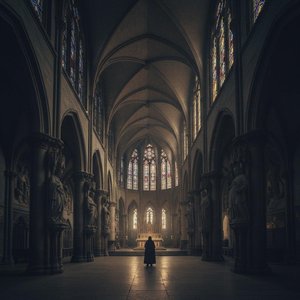
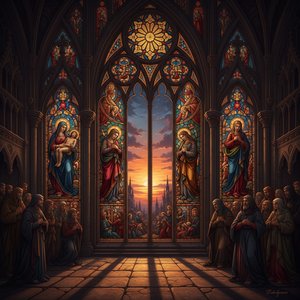
St. Stephen’s Cathedral, or Stephansdom as it's affectionately known by Viennese locals, isn’t merely a building; it’s the pulsating heart of Vienna – a monumental testament to centuries of faith, power, and artistic brilliance. Rising majestically from Stephansplatz, its silhouette dominates the city skyline, beckoning visitors into a world where history whispers from every intricately carved stone and stained-glass window. More than just a religious edifice, it’s a living chronicle of Vienna's evolution, a place where emperors plotted, revolutionaries rallied, and artists found inspiration – all within the walls of this extraordinary Gothic masterpiece.
The story of Stephansdom begins in 1137, following the Treaty of Mautern, which established Vienna as a significant center within the Holy Roman Empire. Initially, it was a modest parish church, but over time, through ambitious reconstruction projects and expansions initiated by powerful figures like Duke Rudolf IV, it transformed into the imposing structure we see today. The cathedral’s architecture is a captivating blend of Romanesque solidity and soaring Gothic aspiration – a visual representation of Vienna's ascent to prominence. The south tower, completed in 1433, offers breathtaking panoramic views of the city, while the unfinished north tower stands as a poignant reminder of interrupted ambitions and adds an intriguing asymmetry to the cathedral’s profile.
Treasures Within: Art, History, and Sacred Spaces
Stephansdom is far more than just its impressive exterior. Inside, visitors are transported through time, encountering a remarkable collection of art and historical artifacts that illuminate Vienna's rich cultural heritage. The cathedral houses the Dom Museum Wien, a treasure trove showcasing religious paintings by masters like Rudolf von Alt – his depictions of St. Stephen himself are particularly striking in their detail and emotional intensity. Don’t miss the poignant portrait of Duke Rudolf IV, a powerful symbol of ambition and political maneuvering, or the intricately carved pulpit attributed to Anton Pilgram, a pivotal figure in bridging the gap between Gothic and Renaissance styles.
Beneath the cathedral's foundations lies a hidden world – the catacombs, a haunting reminder of Vienna’s past. These subterranean chambers hold the remains of countless citizens, including prominent figures like Emperor Frederick III, whose elaborate marble sarcophagus dominates one corner. The Vergilius Chapel, dedicated to the Roman poet Virgil, is another highlight, housing a stunning fresco depicting scenes from his works. The cathedral also holds the tombs of Prince Eugene of Savoy and numerous archbishops and cardinals, each contributing to the layered history contained within its walls.
A Symphony of Tiles: The Roof’s Royal Tapestry
Perhaps one of Stephansdom's most iconic features is its magnificent roof – a dazzling mosaic of over 250,000 glazed tiles. This intricate tapestry depicts the Habsburg coat of arms and other symbols of Austrian identity, transforming the cathedral into a vibrant work of art in itself. The tiles were painstakingly restored after being severely damaged during World War II, ensuring that this breathtaking spectacle continues to captivate visitors for generations to come. The sheer scale and artistry of the roof are truly awe-inspiring – a testament to the dedication and skill of the artisans who brought it to life.
Echoes of Music and Majesty: A Cathedral Through the Ages
St. Stephen’s Cathedral has played a central role in Vienna's cultural and political landscape for centuries. It served as the site of numerous coronations, funerals, and national celebrations – events that have shaped the city’s identity and legacy. The cathedral also holds a special place in musical history, having hosted Mozart’s wedding ceremony and serving as a final resting place for many renowned composers. The resonant tones of the Pummerin bell, one of Austria's largest free-swinging church bells, echo through the city on significant occasions, marking moments of national pride and solemn remembrance.
Visiting St. Stephen’s Cathedral: A Journey Through Time
A visit to St. Stephen’s Cathedral is an unforgettable experience – a journey through time, art, and faith. Whether you ascend the winding staircase to the tower for panoramic views, explore the Dom Museum Wien, or simply marvel at the cathedral's grandeur from Stephansplatz, you’ll be captivated by its beauty and historical significance. Don’t miss the opportunity to attend a concert within its hallowed halls – the acoustics are truly remarkable. For those interested in delving deeper into the cathedral’s history, guided tours are available daily, offering insights into its architectural features, artistic treasures, and fascinating stories.