

 Ver en contexto
 Enviar
 Compartir
 Detalles
 Guía
Guía

 Descargar
 Similares
 Radiografía
 Presentación de diapositivas
 Estadísticas
Adrian divov

 Ver más
Reproducción al óleo hecha a mano
Óleo sobre lienzo pintado a mano en el tamaño y marco de su elección, realizado por encargo por nuestros artistas. ( Cambiar a impresiones Cambiar a imagen digital)




































Elija entre nuestros tamaños predefinidos que respetan las proporciones originales de la obra.

Indique el ancho y el alto que necesite para adaptarse a su marco o pared. Al tratarse de una obra pintada a mano, si requiere un tamaño con una proporción distinta, el artista puede pintar un poco más alrededor de la imagen o recortarla ligeramente; usted elige. Le enviaremos una maqueta digital para su aprobación antes de comenzar la pintura. La imagen que se muestra en esta página no refleja el resultado real; solo la maqueta lo hace.
Tras realizar el pedido, el equipo de OriginalUniqueArt.com enviará un correo electrónico al cliente para solicitar instrucciones y proporcionarle una vista previa del boceto.
Envío a todo el mundo () en 3-4 semanas en lugar de las 5 semanas estándar. (27 octubre). Sin comprometer la calidad.

Envío exprés gratuito a todo el mundo

Lienzo de lino de alta calidad

Seguro de envío total

Garantía de reembolso de aranceles aduaneros

Garantía de fidelidad cromática exacta

Política de devolución de 100 días (solo por defectos)

Garantía de devolución del 100% del dinero

Descuento por cantidad
 La opción de vidrio solo está disponible en tamaños inferiores a 110 cm.

Adrian divov
Técnica de reproducción
Dimensiones de la reproducción
-


Precio total final
€ 263
Biografía del artista
A Life Etched in Likeness: The World of Anton Graff
Anton Graff, born in Winterthur, Switzerland in 1736, emerged as one of the most celebrated portraitists of his era—a period defined by the Enlightenment’s intellectual fervor and the burgeoning Neoclassical aesthetic. His story is not merely a chronicle of artistic skill but a fascinating journey through the social and cultural landscapes of 18th and early 19th century Europe, intimately connected with some of its most brilliant minds. Graff's beginnings were humble; he received his initial training in Winterthur under Johann Ulrich Schellenberg before venturing to Augsburg where his talent quickly outpaced the local guild’s comfort level. Forced to move on due to the anxieties of less gifted contemporaries, he found mentorship with Johann Jakob Haid and later, Leonhard Schneider in Ansbach, honing his skills while absorbing diverse artistic influences. These early experiences instilled in him not only technical proficiency but also a resilience that would characterize his career. Frequent trips to Munich allowed him to study masterworks, laying the foundation for his distinctive style—a blend of meticulous detail, psychological insight, and an emerging Neoclassical sensibility.From Dresden Court Painter to Chronicler of an Era
The pivotal moment in Graff’s career arrived with his appointment as court painter to the Saxon electorate in Dresden in 1766. This position provided him not only financial security but also access to a vibrant intellectual circle and a steady stream of prominent sitters. He quickly became *the* portraitist of choice for the leading figures of the German Enlightenment, immortalizing individuals like Friedrich Schiller, Christoph Willibald Gluck, Gotthold Ephraim Lessing, Moses Mendelssohn, and Johann Gottfried Herder on canvas. These were not simply likenesses; Graff possessed a remarkable ability to capture the inner lives of his subjects—their intellect, their passions, and their vulnerabilities. He wasn’t merely painting faces; he was documenting an intellectual revolution. His portraits became visual embodiments of the era's philosophical and artistic currents. The invitation from Christian Ludwig von Hagedorn, director of the Dresden Art Academy, initially met with Graff’s own self-doubt – a testament to his humility despite undeniable talent. It was a self-portrait that ultimately secured his position, demonstrating a confidence and skill that resonated deeply within the court.A Master of Light, Shadow, and Social Nuance
Graff's artistic technique was characterized by a masterful command of light and shadow, influenced significantly by the work of Ján Kupecký, whose paintings he studied intently. He employed this skill to draw attention to the faces of his sitters, imbuing them with depth and psychological complexity. However, Graff wasn’t oblivious to the social conventions of his time; while focusing on the face for male subjects, he often subtly highlighted the décolletage of female sitters—a nod to prevailing aesthetic expectations. His attention to detail extended beyond the human form, encompassing the textures of fabrics and draperies with a precision reminiscent of French court painters like Hyacinthe Rigaud. Initially favoring monochrome backgrounds, Graff later embraced outdoor settings, reflecting the growing trend in English portraiture. The price of his portraits reflected not only his time but also the intricacy of the sitter’s attire—a testament to the importance placed on social status and material wealth during that period. He was a keen observer of human nature, famously noting Schiller's difficulty in remaining still for a sitting – a charming anecdote revealing both his patience and his perceptive eye.A Network of Patrons and Influences
Graff’s success stemmed not only from his artistic talent but also from his astute understanding of the social dynamics of his time. He cultivated relationships with influential figures across Europe, including Frederick the Great, whose portrait remains one of Graff's most celebrated works. His clientele extended beyond the German nobility to include Russian, Polish, and Baltic aristocrats, further cementing his international reputation. He was a favorite among poets, musicians, diplomats, and scholars—individuals who appreciated his ability to capture their essence on canvas. The artist’s travels were often dictated by the needs of his patrons, leading him through cities like Munich, where he studied the works of masters such as Rembrandt and Rubens, and ultimately establishing Dresden as his primary base of operations. Graff's artistic development was shaped by a diverse range of influences, from the Baroque elegance of Italian portraiture to the classical restraint of Greek sculpture – all skillfully integrated into his unique style.Legacy and Historical Significance
Anton Graff’s influence extended beyond the realm of portraiture. As a teacher at the Dresden Art Academy, he nurtured the talents of future generations of artists, including Emma Körner, Philipp Otto Runge, and Karl Ludwig Kaaz. His work represents a crucial bridge between the Rococo and Neoclassical styles, embodying both the elegance and ornamentation of the former with the clarity and restraint of the latter. He painted nearly 1,000 portraits during his lifetime, creating an invaluable visual record of the German Enlightenment and its leading figures. Perhaps his most celebrated work is the portrait of Frederick the Great, a masterpiece created without ever having the king pose for him directly. Graff cleverly observed the monarch during military parades, capturing his commanding presence and steely gaze with remarkable accuracy. This painting, housed at Schloss Charlottenburg, remains an iconic image of Prussian power and leadership. Anton Graff’s legacy endures not only through his stunning portraits but also as a testament to the power of art to capture the spirit of an age. He was more than just a painter; he was a chronicler, a social commentator, and a master of human representation whose work continues to resonate with audiences today.A Lasting Impression
Despite receiving lucrative offers from other academies, including one in Berlin, Graff remained committed to Dresden, solidifying his position as the leading portrait painter in Germany throughout the late 18th and early 19th centuries. His clientele extended beyond the German nobility to include Russian, Polish, and Baltic aristocrats, further cementing his international reputation. He was a favorite among poets, musicians, diplomats, and scholars—individuals who appreciated his ability to capture their essence on canvas. Graff’s portraits offer a unique window into a pivotal period in European history, providing invaluable insights into the lives, thoughts, and aspirations of those who shaped the Enlightenment and laid the foundations for the Romantic era. His work stands as a lasting tribute to the power of portraiture to transcend mere representation and become a profound expression of human experience.
Anton Graff
1736 - 1813 , Suiza
Datos clave
- Artistic Movement Or Style: Neoclasicismo
- Artists Or Movements Influenced By This Artist: ['Frederick Law Olmsted']
- Artists Who Influenced This Artist: ['Johann Ulrich Schellenberg']
- Date Of Birth: 1736
- Date Of Death: 1813
- Full Name: Anton Graff
- Nationality: Suizo
- Notable Artworks:
- Retrato del Duque Antón de Lorena
- Niña en Traje Folclórico
- Place Of Birth: Winterthur, Suiza
Artículos relacionados

La Estética Rococó: Opulencia, Rebelión y Placer en el Arte del Siglo XVIII
Descubre la fascinante estética rococó: su historia, características clave y los artistas más influyentes del siglo XVIII. Un análisis profundo para amantes del arte y coleccionistas.

Illuminating the Enlightenment: A Comprehensive Exploration of 18th-Century Painting
Explore the captivating world of 18th-century painting! Discover Rococo's playful elegance & Neoclassicism’s Enlightenment ideals with expert insights into Fragonard, David, and more. A comprehensive guide for art enthusiasts.

Rococó: 10 Obras Maestras que Definieron una Época | Arte y Decoración en
Descubre las 10 obras maestras del Rococó que marcaron una época. Explora la elegancia de Fragonard, Boucher y Watteau en . Reproducciones de arte de calidad museo para decorar tu hogar con estilo.
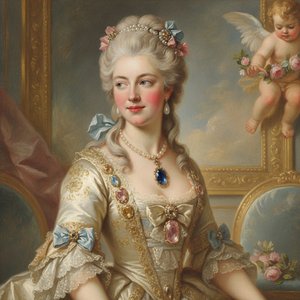
Rococo Portraits: The Ultimate Guide to Pastel Luxury, Opulence, and High-Impact Aesthetic Glamour
Discover the breathtaking elegance of Rococo portraits. Explore a world of pastel luxury, luminous textures, and aristocratic grace through expert analysis of 18th-century masterpieces. Elevate your space with the timeless opulence of high-impact, hand-painted fine art.
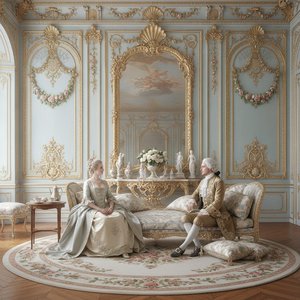
Rococo Art Guide: Elegance, Ornamentation, and the Era of Luxury
Explore the elegance of Rococo art. From Watteau to Fragonard, discover the history, aesthetics, and masters of 18th-century luxury in this expert guide for art lovers and collectors.


