Tamaño del texto

() ·

Una pintura hecha para ti, a mano

Federico el Grande

Reproducción al óleo hecha a mano

Óleo sobre lienzo pintado a mano en el tamaño y marco de su elección, realizado por encargo por nuestros artistas. ( Cambiar a impresiones Cambiar a imagen digital)

Descripción del objeto

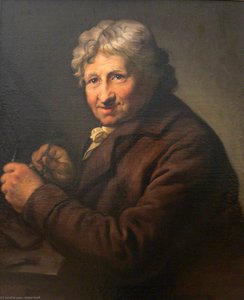
Sea testigo del poder y el retrato de 'Friedrich der Große' de Anton Graf. Esta icónica pintura de 1786 captura la intensidad de Federico II, plasmada con detalles magistrales y una mirada imponente.

Biografía del artista

Anton Graff (1736-1813): Maestro de retratos del Iluminismo alemán. Famoso por sus íntimos retratos de Goethe, Federico el Grande y figuras intelectuales clave. Un cronista visual de su época.

desde ·

Capítulo 1

¿Qué tamaño debería tener?

Deslice para cambiar el tamaño; la imagen de la izquierda muestra el marco con su anchura real. Se mantienen las proporciones originales.

Tamaño estándar
a medida
CM
INCH

Elija entre nuestros tamaños predefinidos que respetan las proporciones originales de la obra.

ancho
altura

Indique el ancho y el alto que necesite para adaptarse a su marco o pared. Al tratarse de una obra pintada a mano, si requiere un tamaño con una proporción distinta, el artista puede pintar un poco más alrededor de la imagen o recortarla ligeramente; usted elige. Le enviaremos una maqueta digital para su aprobación antes de comenzar la pintura. La imagen que se muestra en esta página no refleja el resultado real; solo la maqueta lo hace.

Capítulo 2

¿Cómo debe llegar?

Elige el acabado de los bordes del lienzo

Elige tu marco

Corner sample of the WhiteWrap canvas edge finish, stretched on madera maciza bars
Blanco €1
Corner sample of the BlurSideWrap canvas edge finish, stretched on madera maciza bars
Bordes difuminados €1
Corner sample of the ExtendedWrap canvas edge finish, stretched on madera maciza bars
Continuación de imagen €1
Corner sample of the P118B picture frame: poliestireno moldeado, 5 cm wide and 3 cm thick
P118B €10
Corner sample of the P118H picture frame: poliestireno moldeado, 5 cm wide and 3 cm thick
P118H €10
Corner sample of the P118W picture frame: poliestireno moldeado, 5 cm wide and 3 cm thick
P118W €10
Corner sample of the P438Z picture frame: poliestireno moldeado, 5.5 cm wide and 3.5 cm thick
P438Z €10
Corner sample of the P508JH picture frame: poliestireno moldeado, 7 cm wide and 3.5 cm thick
P508JH €12
Corner sample of the P508YH picture frame: poliestireno moldeado, 7 cm wide and 3.5 cm thick
P508YH €12
Corner sample of the P805H picture frame: poliestireno moldeado, 5 cm wide and 3.5 cm thick
P805H €10
Corner sample of the P805Z picture frame: poliestireno moldeado, 5 cm wide and 3.5 cm thick
P805Z €10
Corner sample of the P919BZ picture frame: poliestireno moldeado, 7 cm wide and 3.5 cm thick
P919BZ €10
Corner sample of the P919G picture frame: poliestireno moldeado, 7 cm wide and 3.5 cm thick
P919G €10
Corner sample of the P919XJ picture frame: poliestireno moldeado, 7 cm wide and 3.5 cm thick
P919XJ €10
Corner sample of the P959ZH picture frame: poliestireno moldeado, 5 cm wide and 3 cm thick
P959ZH €10
Corner sample of the P968JZ picture frame: poliestireno moldeado, 6 cm wide and 4 cm thick
P968JZ €12
Corner sample of the W106C picture frame: madera maciza, 5 cm wide and 3 cm thick
W106C €8
Corner sample of the W218G picture frame: madera maciza, 5 cm wide and 3 cm thick
W218G €10
Corner sample of the W218JH picture frame: madera maciza, 5 cm wide and 3 cm thick
W218JH €8
Corner sample of the W218Y picture frame: madera maciza, 5 cm wide and 3 cm thick
W218Y €10
Corner sample of the W307PJ picture frame: madera maciza, 6 cm wide and 3 cm thick
W307PJ €10
Corner sample of the W316G picture frame: madera maciza, 6 cm wide and 3 cm thick
W316G €10
Corner sample of the W316PJ picture frame: madera maciza, 6 cm wide and 3 cm thick
W316PJ €8
Corner sample of the W316Y picture frame: madera maciza, 6 cm wide and 3 cm thick
W316Y €10
Corner sample of the W398PJ picture frame: madera maciza, 5 cm wide and 3 cm thick
W398PJ €8
Corner sample of the W4111J picture frame: madera maciza, 6.5 cm wide and 3.5 cm thick
W4111J €10
Corner sample of the W500HY picture frame: madera maciza, 7 cm wide and 5 cm thick
W500HY €15
Corner sample of the W500JH picture frame: madera maciza, 7 cm wide and 5 cm thick
W500JH €15
Corner sample of the W692G picture frame: madera maciza, 8 cm wide and 4 cm thick
W692G €12
Corner sample of the W849H picture frame: madera maciza, 5 cm wide and 3 cm thick
W849H €8
Corner sample of the W940BG picture frame: madera maciza, 7.5 cm wide and 4.5 cm thick
W940BG €15
Corner sample of the W953PJ picture frame: madera maciza, 6 cm wide and 3.5 cm thick
W953PJ €8
Corner sample of the H24-GOLD picture frame: madera tallada con estuco, 10 cm wide and 6 cm thick
H24-GOLD €30
Corner sample of the H24-SILVER picture frame: madera tallada con estuco, 10 cm wide and 6 cm thick
H24-SILVER €30
Corner sample of the H36-GOLD picture frame: madera tallada con estuco, 15 cm wide and 6.5 cm thick
H36-GOLD €45
Corner sample of the H36-SILVER picture frame: madera tallada con estuco, 15 cm wide and 6.5 cm thick
H36-SILVER €45

Moldura: . Dimensiones totales con marco: .

Capítulo 3

¿Quién lo pinta y debería cambiar algo?

Ejemplos de lo que se puede cambiar: Reemplazar el rostro con la foto del cliente; Añadir una mascota (por ejemplo, cambiar un gato por un perro); Incluir un mensaje oculto en el fondo; Cambiar el paisaje o los elementos del fondo.
Tras realizar el pedido, el equipo de OriginalUniqueArt.com enviará un correo electrónico al cliente para solicitar instrucciones y proporcionar una vista previa del boceto

Envío a todo el mundo () en 3-4 semanas en lugar de las 5 semanas estándar. (4 noviembre). Sin comprometer la calidad.

Capítulo 4

Los últimos retoques

¿Una placa de identificación, como en un museo?

Detalles de la placa de bronce grabada

This elegant plaque features the artist's name and the title of the artwork, finely engraved for a timeless presentation.

It is made from bronze with a refined, elegant finish. The text is precisely laser-engraved for a sharp and permanent result. Measuring 9x2 cm, the plaque is compact yet easy to read. It's built to be durable and scratch-resistant, offering a professional, museum-quality look. Mounting is simple thanks to the included adhesive backing.

Detalles de la placa de acrílico transparente

The plaque includes essential engraved details such as the artist's name, the title of the artwork, the date it was created, the type of media used-like oil on canvas or watercolor-a brief description of the piece, and a QR code that links to the complete artwork information.

It is crafted from clear acrylic, offering a sleek, modern appearance. The text is UV-engraved in black to ensure strong visual contrast. With a size of 10x15 cm, it ensures optimal readability. It comes equipped with two metal hooks for secure wall mounting. The plaque is designed to be weather-resistant, making it suitable for various environments, and it includes interactive features that work seamlessly with smartphone scanning.

Detalles de la placa de acrílico negro

This elegant plaque includes engraved information such as the artist's name, the title of the artwork, the date it was created, the type of media used (like oil on canvas or watercolor), a short description of the artwork, and a QR code for quick access to more information.

The plaque itself is made from refined black acrylic with a premium finish. The text is laser-engraved in white for high contrast and readability. Its size is 10x15 cm, designed to be easy to read. It comes with two metal hooks for professional mounting. The design is sleek and fits any interior style. It is also weather-resistant and durable, with built-in digital integration for mobile compatibility.

¿Un barniz protector?

¿Para cuándo lo necesita?

Capítulo 5

Su pintura, tal como la solicitó

Federico el Grande

Técnica de reproducción

Dimensiones de la reproducción

-

Selección de artistas premium

Mayor nivel de detalle, delicadeza y tiempo de producción adicional

-

Enmarcado de reproducción

-

-

Para obras de arte o reproducciones que midan más de 105 cm (aproximadamente 41 pulgadas) en cualquiera de sus lados, el marco se enviará como un kit desmontado. Este método garantiza una entrega segura y evita daños durante el transporte.

Se requiere montaje profesional: este no es un producto para hacer usted mismo (DIY).
El kit debe ser ensamblado y el lienzo tensado por un enmarcador profesional con experiencia, utilizando cola para madera (no incluida), una tenaza para tensar lienzos y sargentos para mantener los bastidores alineados mientras la cola se seca. Un montaje incorrecto o una tensión desigual del lienzo pueden dañar la obra de arte de forma permanente y no están cubiertos por nuestra garantía.

  • Se incluyen todos los listones de madera maciza, cortados con precisión según las medidas.

  • Se ensambla con los tornillos incluidos, además de cola para madera para las uniones de las esquinas, la cual no se incluye y debe ser proporcionada por su enmarcador.

  • Se requieren herramientas profesionales que no están incluidas: un alicate para tensar lienzos (tensor) y abrazaderas para mantener los bastidores alineados mientras se seca el pegamento.

Importante:
Las uniones de las esquinas requieren cola para madera, los listones deben sujetarse con prensas hasta que la cola esté completamente seca, y para tensar el lienzo en el bastidor ensamblado se requiere una pinza para tensar lienzos. Ninguno de estos elementos está incluido en el kit. Por favor, contacte con un profesional del enmarcado con experiencia antes de realizar un pedido de este tamaño.

Cartela

-

-

Barniz protector

Barniz brillante (realza los colores y protege contra la luz y la humedad)

-

Personalizar mi obra

Ejemplos de lo que se puede personalizar: sustituir el rostro por una foto del cliente; añadir una mascota (por ejemplo, cambiar un gato por un perro); incluir un mensaje oculto en el fondo; cambiar el paisaje o los elementos del fondo.

-

Envío urgente

Envío a todo el mundo () en 3 o 4 semanas, en lugar de las 5 semanas habituales. (4 noviembre). Sin comprometer la calidad.

-

Envío urgente

Envío internacional () en 5 semanas. (11 noviembre).

Incluido

Precio total final

€ 268

Precio total € 268

La opción de vidrio solo está disponible en tamaños inferiores a 110 cm.

Incluido en cada pedido

  • Envío exprés gratuito a todo el mundo
  • Lienzo de lino de alta calidad
  • Seguro de envío total
  • Garantía de reembolso de aranceles aduaneros
  • Garantía de fidelidad cromática exacta
  • Política de devolución de 100 días (solo por defectos)
  • Garantía de devolución del 100% del dinero
  • Descuento por cantidad

La mirada de un rey: El retrato de Federico el Grande de Anton Graff

El retrato de Federico el Grande realizado por Anton Graff en 1786 es mucho más que un simple parecido físico; es una encarnación cuidadosamente construida de poder, intelecto y un toque de melancolía. Esta imagen cautivadora, contenida dentro de un marco relativamente modesto de 62 x 51 cm, captura la esencia de un hombre que transformó a Prusia en una fuerza europea formidable: un soberano reconocido por su brillantez militar, su mente estratégica y sus políticas sorprendentemente progresistas. La técnica magistral de Graff, arraigada en las tradiciones del retrato del siglo XVIII pero infundida con un sutil dinamismo, eleva esta representación real a la categoría de obra de arte imperecedera.

La pintura atrae de inmediato al espectador hacia la intensa mirada de Federico. La composición es sorprendentemente directa: una vista de tres cuartos que enfatiza su rostro y el torso superior, aislándolo deliberadamente dentro de un espacio cuidadosamente controlado. El fondo, plasmado en tonos suaves e indistintos, no funciona como una distracción, sino más bien para amplificar la importancia del sujeto, creando una atmósfera de solemne autoridad. El uso de la luz por parte de Graff es particularmente notable; es difusa y uniforme, iluminando las facciones de Federico sin recurrir a sombras marcadas, pero resaltando estratégicamente su frente y pómulos, detalles sutiles que contribuyen significativamente al impacto global del retrato.

El lenguaje del poder: Color, línea y textura

La paleta de Graff es contenida, dominada por un sofisticado juego de negro, blanco, gris, rojo y tonos carnales apagados. El marcado contraste entre el abrigo negro del rey, adornado con un vibrante forro rojo, y su pulcra peluca blanca establece de inmediato una sensación de formalidad y esplendor regio. La cuidadosa delineación de las líneas —bordes nítidos que definen la estructura del abrigo, contornos delicados que dan forma al rostro— habla de la meticulosa atención al detalle de Grafo y su dominio de la composición clásica. La textura es igualmente fascinante; la peluca parece voluminosa y suave, mientras que el abrigo sugiere una superficie lisa y reflectante, insinuando riqueza y estatus. Incluso las sutiles pinceladas utilizadas para representar la piel de Federico transmiten un notable sentido de realismo.

La elección del color no es meramente decorativa; posee un peso simbólico. El forro rojo, a menudo asociado con la realeza y la destreza militar, subraya el papel de Federico como un rey guerrero. La peluca blanca, sello distintivo de la época, representa tanto el poder como el intelectualismo: una abreviatura visual del gobernante ilustrado que defendió la razón y la reforma. Los tonos apagados, al evitar la ostentación excesiva, contribuyen a una atmósfera de gravedad y seriedad, reflejando las pesadas responsabilidades que conllevaba la posición de Federico.

Un retrato del liderazgo: Simbolismo y contexto histórico

Más allá de su brillantez técnica, el retrato es rico en significado simbólico. La mirada intensa de Federico —un mensaje directo al espectador— transmite inteligencia, determinación y, quizás, incluso un rastro de cansancio. La pose formal, con las manos descansando deliberadamente sobre los muslos, proyecta una imagen de autoridad y seguridad en sí mismo. La inclusión de la medalla, exhibida prominentemente sobre su pecho, refuerza aún más su estatus como héroe militar y símbolo del poder prusiano. Este retrato fue creado durante un período crucial de la historia europea: finales del siglo XVIII, marcado por convulsiones revolucionarias y alianzas cambiantes. El reinado de Federico fue testigo de una expansión territorial significativa, reformas militares y avances intelectuales, consolidando la posición de Prusia como un actor principal en Europa.

El contexto histórico es crucial para comprender la importancia del retrato. Federico el Grande no era simplemente un rey; era una figura compleja: un estratega brillante, un guerrero implacable y un mecenas de las artes y las ciencias. Graff captura magistralmente esta personalidad polifacética, presentándolo tanto como un líder formidable como un hombre de intelecto y refinamiento. La pintura sirve como testimonio del legado de Federico: un registro visual de un gobernante que moldeó profundamente el curso de la historia europea.

Un legado en óleo: Técnica y materiales

Realizado principalmente con óleos sobre lienzo, este retrato ejemplifica las técnicas del retrato del siglo XVIII. El uso hábil de capas y degradados por parte de Graff crea profundidad y luminosidad, mientras que su meticulosa atención al detalle es evidente en cada pincelada. La elección del lienzo como soporte habla de la calidad perdurable de la obra: un testimonio de la maestría técnica de Graff y la longevidad de su visión. El tamaño de 62 x 51 cm sugiere una pieza destinada a ser exhibida en un gran salón o cámara de estado, reflejando la importancia otorgada a la representación visual durante esta era.

Preguntas y respuestas

¿Qué nivel de saturación e intensidad presenta "Federico el Grande" de Anton Graff?

Los colores de "Federico el Grande" de Anton Graff presentan una saturación Tenues con una intensidad Monocromático.

¿Cómo se construye la composición cromática de "Federico el Grande" de Anton Graff?

El análisis cromático de "Federico el Grande" de Anton Graff presenta un Suave contraste y una Paleta discordante armonía.

¿Qué atmósfera aportaría una reproducción de "Federico el Grande" de Anton Graff a una habitación?

La atmósfera Elegante de "Federico el Grande" de Anton Graff armoniza perfectamente con su espacio recomendado: un Salón principal.

Más información sobre esta pintura

Ver en contexto Vista previa en RA Cambiar a impresiones Cambiar a imagen digital Enviar
Detalles Guía Añadir a favoritos Descargar Similares Radiografía Presentación de diapositivas Preguntas y respuestas Estadísticas

En cifras

  • 1786el año en que fue pintada
  • 29marcos disponibles para elegir
  • tamaños estándar, en sus propias proporciones
  • 5semanas para pintar y entregar la obra
Anton Graff

Anton Graff

1736 - 1813, Suiza

Datos rápidos sobre Anton Graff

  • Artistic Movement Or Style: Neoclasicismo
  • Artists Or Movements Influenced By This Artist: ['Frederick Law Olmsted']
  • Artists Who Influenced This Artist: ['Johann Ulrich Schellenberg']
  • Date Of Birth: 1736
  • Date Of Death: 1813
  • Full Name: Anton Graff
  • Nationality: Suizo
  • Notable Artworks:
    • Retrato del Duque Antón de Lorena
    • Niña en Traje Folclórico
  • Place Of Birth: Winterthur, Suiza

Biografía del artista

A Life Etched in Likeness: The World of Anton Graff

Anton Graff, born in Winterthur, Switzerland in 1736, emerged as one of the most celebrated portraitists of his era—a period defined by the Enlightenment’s intellectual fervor and the burgeoning Neoclassical aesthetic. His story is not merely a chronicle of artistic skill but a fascinating journey through the social and cultural landscapes of 18th and early 19th century Europe, intimately connected with some of its most brilliant minds. Graff's beginnings were humble; he received his initial training in Winterthur under Johann Ulrich Schellenberg before venturing to Augsburg where his talent quickly outpaced the local guild’s comfort level. Forced to move on due to the anxieties of less gifted contemporaries, he found mentorship with Johann Jakob Haid and later, Leonhard Schneider in Ansbach, honing his skills while absorbing diverse artistic influences. These early experiences instilled in him not only technical proficiency but also a resilience that would characterize his career. Frequent trips to Munich allowed him to study masterworks, laying the foundation for his distinctive style—a blend of meticulous detail, psychological insight, and an emerging Neoclassical sensibility.

From Dresden Court Painter to Chronicler of an Era

The pivotal moment in Graff’s career arrived with his appointment as court painter to the Saxon electorate in Dresden in 1766. This position provided him not only financial security but also access to a vibrant intellectual circle and a steady stream of prominent sitters. He quickly became *the* portraitist of choice for the leading figures of the German Enlightenment, immortalizing individuals like Friedrich Schiller, Christoph Willibald Gluck, Gotthold Ephraim Lessing, Moses Mendelssohn, and Johann Gottfried Herder on canvas. These were not simply likenesses; Graff possessed a remarkable ability to capture the inner lives of his subjects—their intellect, their passions, and their vulnerabilities. He wasn’t merely painting faces; he was documenting an intellectual revolution. His portraits became visual embodiments of the era's philosophical and artistic currents. The invitation from Christian Ludwig von Hagedorn, director of the Dresden Art Academy, initially met with Graff’s own self-doubt – a testament to his humility despite undeniable talent. It was a self-portrait that ultimately secured his position, demonstrating a confidence and skill that resonated deeply within the court.

A Master of Light, Shadow, and Social Nuance

Graff's artistic technique was characterized by a masterful command of light and shadow, influenced significantly by the work of Ján Kupecký, whose paintings he studied intently. He employed this skill to draw attention to the faces of his sitters, imbuing them with depth and psychological complexity. However, Graff wasn’t oblivious to the social conventions of his time; while focusing on the face for male subjects, he often subtly highlighted the décolletage of female sitters—a nod to prevailing aesthetic expectations. His attention to detail extended beyond the human form, encompassing the textures of fabrics and draperies with a precision reminiscent of French court painters like Hyacinthe Rigaud. Initially favoring monochrome backgrounds, Graff later embraced outdoor settings, reflecting the growing trend in English portraiture. The price of his portraits reflected not only his time but also the intricacy of the sitter’s attire—a testament to the importance placed on social status and material wealth during that period. He was a keen observer of human nature, famously noting Schiller's difficulty in remaining still for a sitting – a charming anecdote revealing both his patience and his perceptive eye.

A Network of Patrons and Influences

Graff’s success stemmed not only from his artistic talent but also from his astute understanding of the social dynamics of his time. He cultivated relationships with influential figures across Europe, including Frederick the Great, whose portrait remains one of Graff's most celebrated works. His clientele extended beyond the German nobility to include Russian, Polish, and Baltic aristocrats, further cementing his international reputation. He was a favorite among poets, musicians, diplomats, and scholars—individuals who appreciated his ability to capture their essence on canvas. The artist’s travels were often dictated by the needs of his patrons, leading him through cities like Munich, where he studied the works of masters such as Rembrandt and Rubens, and ultimately establishing Dresden as his primary base of operations. Graff's artistic development was shaped by a diverse range of influences, from the Baroque elegance of Italian portraiture to the classical restraint of Greek sculpture – all skillfully integrated into his unique style.

Legacy and Historical Significance

Anton Graff’s influence extended beyond the realm of portraiture. As a teacher at the Dresden Art Academy, he nurtured the talents of future generations of artists, including Emma Körner, Philipp Otto Runge, and Karl Ludwig Kaaz. His work represents a crucial bridge between the Rococo and Neoclassical styles, embodying both the elegance and ornamentation of the former with the clarity and restraint of the latter. He painted nearly 1,000 portraits during his lifetime, creating an invaluable visual record of the German Enlightenment and its leading figures. Perhaps his most celebrated work is the portrait of Frederick the Great, a masterpiece created without ever having the king pose for him directly. Graff cleverly observed the monarch during military parades, capturing his commanding presence and steely gaze with remarkable accuracy. This painting, housed at Schloss Charlottenburg, remains an iconic image of Prussian power and leadership. Anton Graff’s legacy endures not only through his stunning portraits but also as a testament to the power of art to capture the spirit of an age. He was more than just a painter; he was a chronicler, a social commentator, and a master of human representation whose work continues to resonate with audiences today.

A Lasting Impression

Despite receiving lucrative offers from other academies, including one in Berlin, Graff remained committed to Dresden, solidifying his position as the leading portrait painter in Germany throughout the late 18th and early 19th centuries. His clientele extended beyond the German nobility to include Russian, Polish, and Baltic aristocrats, further cementing his international reputation. He was a favorite among poets, musicians, diplomats, and scholars—individuals who appreciated his ability to capture their essence on canvas. Graff’s portraits offer a unique window into a pivotal period in European history, providing invaluable insights into the lives, thoughts, and aspirations of those who shaped the Enlightenment and laid the foundations for the Romantic era. His work stands as a lasting tribute to the power of portraiture to transcend mere representation and become a profound expression of human experience.

Datos clave

  • Ubicación: Gemäldegalerie Alte Meister, Dresde
  • Estilo artístico: Retratismo
  • Dimensiones: 62 x 51 cm
  • Movimiento: Neoclasicismo
  • Título: Friedrich der Große
  • Año: 1786

Test de conocimientos artísticos

Cada pregunta tiene una única respuesta correcta.

Pregunta 1:
¿Cuál es el tema principal del retrato de Federico el Grande de Anton Graf?
Pregunta 2:
Según la descripción, ¿qué es particularmente impactante de la mirada de Federico en el retrato?
Pregunta 3:
¿Qué color domina la paleta cromática de la pintura?
Pregunta 4:
¿Cuál es el significado del fondo desenfocado en el retrato?
Pregunta 5:
¿Qué estilo artístico es más característico de este retrato, según la descripción?