Vista previa
 Compartir
 Compartir
 Ver detalles

 Descargar
 Ver artículos similares
 Radiografía
 Presentación de diapositivas
 Estadísticas
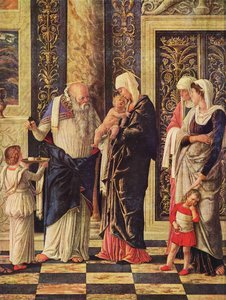
San Sebastián
 Óleo sobre lienzo
- Arte de pared
- El cuadro pertenece al Renacimiento italiano y des
 1480
1480- Renacimiento
 255.0 x 140.0 cm
 Museo del Louvre
 Leer más
Reproducción al óleo hecha a mano
Óleo sobre lienzo pintado a mano en el tamaño y marco de su elección, realizado por encargo por nuestros artistas. ( Cambiar a formato impreso Ver versión en imagen digital)




P118B $10

P118H $10

P118W $10

P438Z $10

P508JH $12

P508YH $12

P805H $10

P805Z $10

P919BZ $10

P919G $10

P919XJ $10

P959ZH $10

P968JZ $12

W106C $8

W218G $10

W218JH $8

W218Y $10

W307PJ $10

W316G $10

W316PJ $8

W316Y $10

W398PJ $8

W4111J $10

W500HY $15

W500JH $15

W692G $12

W849H $8

W940BG $15

W953PJ $8




Elija entre nuestros tamaños predefinidos que respetan las proporciones originales de la obra.

Puede ingresar sus propias dimensiones para adaptarse a un marco o espacio específico. Si el tamaño seleccionado no coincide con las proporciones de la imagen original, recortaremos la obra o extenderemos la pintura con elementos adicionales pintados a mano. Se le enviará una maqueta digital para su aprobación antes de comenzar la producción.
Tenga en cuenta que la vista previa en pantalla no refleja el recorte o la extensión reales. Solo la maqueta mostrará con precisión la composición final.
Si bien existen tamaños personalizados, recomendamos seleccionar una dimensión de la lista predefinida para preservar las proporciones originales.
Tras realizar el pedido, el equipo de OriginalUniqueArt.com enviará un correo electrónico al cliente para solicitar instrucciones y proporcionarle una vista previa del boceto.
Envío a todo el mundo () en 3-4 semanas en lugar de las 5 semanas estándar. (17 septiembre). Sin comprometer la calidad.

Envío exprés gratuito a todo el mundo

Lienzo de lino de alta calidad

Seguro de envío completo

Garantía de reembolso de impuestos aduaneros

Garantía de fidelidad cromática exacta

Política de devolución de 100 días (solo por defectos)

Garantía de devolución del 100% del dinero

Oferta por volumen
 La opción de vidrio solo está disponible en tamaños inferiores a 110 cm.

San Sebastián
Técnica de reproducción
Tamaño de la reproducción
-


Precio total
$ 300
St Sebastian by Andrea Mantegna
Andrea Mantegna’s *Saint Sebastian*, completed around 1480, stands as an emblem of Renaissance artistic innovation—a testament to the revival of classical ideals within the burgeoning Italian humanist movement. More than just a depiction of martyrdom; it's a carefully orchestrated visual narrative that embodies Mantegna’s profound understanding of perspective, anatomy, and psychological depth. Housed in the Musée du Louvre in Paris, this monumental oil painting transcends mere representation, inviting contemplation on themes of faith, suffering, and divine grace. ### Composition and Context: The Architectonic Echoes of Antiquity Mantegna's genius lay in his ability to synthesize classical influences with Christian iconography. Unlike many artists of his time who adhered to Byzantine conventions—characterized by flattened figures and spiritual abstraction—Mantegna sought inspiration from Roman ruins, meticulously reconstructing architectural elements within the canvas. As evidenced by the backdrop of buildings—fragments of a triumphal arch—the painting immediately establishes a spatial framework reminiscent of ancient amphitheaters and temples. This deliberate choice underscores Mantegna’s conviction that artistic excellence resided in mirroring the grandeur and rationality of classical antiquity. The positioning of St Sebastian at the center, flanked by figures representing compassion and sorrow, reinforces this compositional balance. ### Technique: Mastering Chiaroscuro and Spatial Illusion The painting's remarkable realism stems from Mantegna’s masterful command of chiaroscuro—the dramatic interplay between light and shadow—a technique perfected during his formative years under Francesco Squarcione at Padua’s workshop. Observe how Mantegna sculpts the form of St Sebastian with subtle gradations of tone, creating a palpable sense of volume and texture that captures the physicality of suffering. Furthermore, he employs linear perspective to generate an illusion of depth, transporting the viewer into the scene—a groundbreaking achievement for its time. The meticulous rendering of architectural details—the weathered stone surfaces, the crumbling columns—further enhances this spatial realism, immersing the audience in a meticulously crafted historical tableau. ### Symbolism: Faith Under Duress and Triumph Over Adversity Beyond its technical brilliance, *Saint Sebastian* is laden with symbolic significance. St Sebastian’s martyrdom—his crucifixion after being pierced by arrows—represents Christian fortitude and unwavering devotion in the face of persecution. The arrows themselves serve as visual metaphors for pain and torment, yet they are positioned strategically to emphasize St Sebastian's upright posture and serene gaze—a defiant assertion of spiritual resilience. The presence of figures offering solace—one woman holding a handkerchief and another gesturing towards heaven—underscores the importance of compassion and prayer in alleviating suffering. Ultimately, *Saint Sebastian* proclaims the triumph of faith over adversity, reminding viewers of the enduring power of spirituality amidst earthly trials. ### Legacy: A Cornerstone of Renaissance Art History Andrea Mantegna’s *Saint Sebastian* remains a cornerstone of Renaissance art history—a seminal work that profoundly influenced subsequent generations of artists. Its innovative approach to perspective and anatomy solidified Mantegna's reputation as one of the foremost sculptors of his era, establishing him as a pioneer in capturing human emotion with unprecedented accuracy. Today, reproductions of this masterpiece continue to inspire awe and admiration, serving as enduring reminders of the artistic achievements of the High Renaissance—a period defined by intellectual curiosity, humanist ideals, and an unwavering commitment to visual excellence. For those seeking to explore more of Mantegna’s oeuvre or delve deeper into the artistic currents of his time, visit St Sebastian and Saint Sebastian on Wikipedia.- Painting Details: Oil On Canvas, 255 x 140 cm, Musée du Louvre (Paris, France), 1480.
- Artist: Andrea Mantegna.
Biografía del artista
vida temprana y carrera
Andrea Mantegna, un innovador pintor e estudioso de la arqueología romana italiano, nació en Italia en 1431. Su vida está marcada por una desviación significativa de las formas suaves de su tiempo, favoreciendo un tratamiento audaz y voluminoso del espacio y la forma.contribución a la perspectiva
La obra de Mantegna fue fundamental para explorar la perspectiva, utilizando técnicas como ajustar la línea del horizonte para impartir una escala más grandiosa y gravedad a sus obras. Este enfoque marcó una desviación significativa de las formas suaves de su tiempo, mostrando su estilo único.obras notables y asociaciones
* Las pinturas de Mantegna son reconocidas por su calidad robusta y escultórica, exhibiendo paisajes y figuras duras y reflectantes que revelan su sensibilidad como escultor a la forma y la textura. * Su asociación con la familia Bellini a través del matrimonio es notable, ya que refleja la interconexión de las familias artísticas durante el Renacimiento.legado en la historia del arte
La influencia de Mantegna en el desarrollo del arte en Italia y más allá es innegable. Su enfoque audaz de la perspectiva y la forma ha inspirado a generaciones de artistas. Como se ve en su colección en OriginalUniqueArt, sus obras continúan cautivando al público con su grandeza e innovación.- Movimientos artísticos clave: Renacimiento, perspectiva temprana.
- Obras notables: incluyen "El lamento sobre el Cristo muerto" y "San Jorge".
- Museos que exhiben su obra: la Galería Nacional de Londres y la Pinacoteca Brera en Milán, entre otros.
lectura adicional y exploración
* Para más información sobre la vida y las obras de Mantegna, consulte la colección Palumbo-Fossati (Venecia, Italia), que presenta una breve reseña de la colección y sus piezas notables. * Explore la historia del arte en Italia con la cultura de Italia en Wikipedia.
Andrea Mantegna
1431 - 1506 , Italia
Datos clave
- Artistas Influenciados:
- Rafael
- Miguel Ángel
- Artistas Que Influyeron:
- Donatello
- Jacopo Bellini
- Fecha De Muerte: 1506
- Fecha De Nacimiento: 1431
- Lugar De Nacimiento: Carturo, Italia
- Movimiento Artístico: Renacimiento Temprano
- Nacionalidad: Italiana
- Nombre Completo: Andrea Mantegna
- Obras Notables:
- El Lamento sobre el Cristo muerto
- San Jorge y el dragón
- Camera degli Sposi
- Los Triunfos de César
Artículos relacionados

Mastering Devotion: The Most Iconic Depictions of Saint Jerome in Art History
Explore the profound iconography of Saint Jerome through art history's most iconic masterpieces. From Renaissance serenity to Baroque drama, discover how legendary painters captured divine devotion in breathtaking oil paintings and fine art reproductions.
Andrea del Sarto: Florentine Grace, Technical Mastery & Artistic Ambition
Explore the life & art of Andrea del Sarto, a Florentine Renaissance master renowned for harmonious compositions & technical brilliance. Discover his frescoes, portraits, and lasting influence on art history.
Los 10 Maestros del Renacimiento Temprano: Arte que Transformó el Mundo |
Descubre los 10 maestros del Renacimiento Temprano: Botticelli, Leonardo da Vinci y más. Explora la historia, técnica y belleza de obras icónicas italianas. Reproducciones de arte exclusivas en .
Mario Sironi: A Poetic of Modern Italian Identity Through Symbolism & Social Commentary
Explore the profound works of Mario Sironi, a key figure in Italian Modernism. Discover his evolution from Futurism to Metaphysical painting and his powerful social commentary. Learn about his legacy at OriginalUniqueArt.

Giovanni Fattori: Realism, Identity & the Tuscan Landscape – A Macchiaioli Master
Explore the life & art of Giovanni Fattori, a leading figure of the Macchiaioli movement. Discover his revolutionary realism, captivating Tuscan landscapes, and lasting impact on Italian painting. Learn more at OriginalUniqueArt.