Vista previa
 Compartir
 Compartir
 Ver detalles
 Guía
Guía

 Descargar
 Ver artículos similares
 Radiografía
 Presentación de diapositivas
 Estadísticas
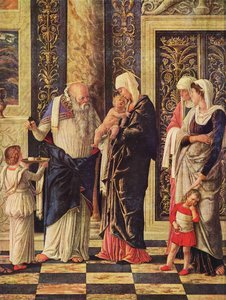
El Parnassus: Mars y Venus
 Óleo sobre lienzo
- Arte de pared
- High Renaissance
 1497
1497- Renacimiento
 192.0 x 159.0 cm
 Museo del Louvre
 Leer más
Giclée / Impresión de arte
Impresiones giclée o en lienzo de calidad de museo con producción rápida y opciones de acabado flexibles. ( Encargar reproducción pintada a mano Ver versión en imagen digital)




P118B €10

P118H €10

P118W €10

P438Z €10

P508JH €12

P508YH €12

P805H €10

P805Z €10

P919BZ €10

P919G €10

P919XJ €10

P959ZH €10

P968JZ €12

W106C €8

W218G €10

W218JH €8

W218Y €10

W307PJ €10

W316G €10

W316PJ €8

W316Y €10

W398PJ €8

W4111J €10

W500HY €15

W500JH €15

W692G €12

W849H €8

W940BG €15

W953PJ €8




Elija entre nuestros tamaños predefinidos que respetan las proporciones originales de la obra.

Introduzca el ancho y el alto que necesite para adaptarse a su marco o pared. Una impresión solo puede recortarse, nunca hacerse más grande que la imagen original, por lo que un tamaño con una forma distinta perderá parte de la obra. Le enviaremos una maqueta digital para su aprobación antes de realizar cualquier impresión. La imagen que se muestra en esta página no refleja el recorte real; solo la maqueta lo hace.
Envío a todo el mundo () en 2 semanas en lugar de las 4/5 semanas estándar. (24 octubre)

Envío exprés gratuito a todo el mundo

Lienzo de lino de alta calidad

Seguro de envío completo

Garantía de reembolso de impuestos aduaneros

Garantía de fidelidad cromática exacta

Política de devolución de 100 días (solo por defectos)

Garantía de devolución del 100% del dinero

Oferta por volumen
 La opción de vidrio solo está disponible en tamaños inferiores a 110 cm.

El Parnassus: Mars y Venus
Giclée / Impresión de arte
Tamaño de la reproducción
-


Precio total
€ 70
The Parnassus: Mars and Venus
Andrea Mantegna’s *Parnassus*, completed in 1497, stands as an unparalleled testament to the burgeoning spirit of High Renaissance art—a fusion of classical erudition and innovative artistic vision that continues to captivate audiences centuries later. Commissioned for Isabella d'Este’s studiolo in Mantua, this monumental fresco embodies the humanist ideals prevalent during its time, reflecting a profound engagement with ancient Greek mythology and architectural principles.Composition and Perspective
The painting depicts a serene gathering on Mount Parnassus, revered as the birthplace of poetry and music in antiquity. Mantegna masterfully employs *trompe-l’oeil* perspective—a technique pioneered by Brunelleschi—to create an illusion of depth that defies conventional spatial representation. The horizon line is lowered dramatically, drawing the viewer into a panoramic vista reminiscent of Roman temples and enhancing the grandeur of the scene. Figures are arranged around a stone bridge, subtly converging towards a central point, emphasizing balance and harmony – characteristics deeply rooted in Renaissance artistic philosophy. This deliberate manipulation of perspective wasn’t merely stylistic; it served to elevate the subject matter, mirroring the humanist aspiration for rational understanding and accurate depiction of reality.Figures and Symbolism: A Dialogue Between Love and War
At the heart of *Parnassus* lies Venus, goddess of love, portrayed in a pose derived from classical sculptures—a deliberate homage to antiquity. Beside her stands Mars, god of war, rendered with remarkable anatomical precision and exhibiting a relaxed posture that contrasts sharply with Venus’s serene demeanor. This juxtaposition symbolizes the fundamental tension between opposing forces – passion and reason, beauty and strength – reflecting the humanist preoccupation with reconciling seemingly irreconcilable elements within human experience. The presence of Apollo, playing his lyre, represents divine harmony and intellectual contemplation, completing the ensemble of mythological figures. Each character embodies a specific virtue or ideal, contributing to the painting’s overarching message about balance and order.Technique: Sculptural Detail and Atmospheric Depth
Mantegna's approach to painting transcends mere representation; he achieves sculptural depth through meticulous attention to anatomical detail—a hallmark of Renaissance art influenced by classical sculpture. The figures possess a solidity that seems almost tangible, achieved through careful modeling and shading techniques. Furthermore, Mantegna skillfully utilizes atmospheric perspective—the gradual blurring of colors and contours as distance increases—to convey the grandeur of Mount Parnassus and its surrounding landscape. This masterful manipulation of light and shadow imbues the painting with an emotional resonance, transporting viewers to a timeless realm of beauty and contemplation. The artist’s dedication to recreating the illusion of three-dimensionality elevates *Parnassus* beyond mere decoration, transforming it into a profound meditation on human form and artistic mastery.Historical Context: Patronage and Artistic Innovation
The fresco resides in the Musée du Louvre, Paris—a repository of European art history—where it continues to inspire admiration for its groundbreaking perspective and humanist ideals. Its creation coincided with Isabella d'Este’s ambitious project to transform her studiolo into a space reflecting intellectual enlightenment and artistic excellence. Mantegna’s work exemplifies the spirit of Renaissance innovation, marking a decisive break from medieval conventions and establishing new standards for artistic achievement. It stands as an enduring symbol of the High Renaissance’s commitment to reviving classical art forms and exploring the complexities of human psychology—a legacy that resonates powerfully with contemporary audiences.Preguntas y respuestas
¿A qué etapa de la carrera de Andrea Mantegna pertenece "El Parnassus: Mars y Venus" (1497)?
La fecha de 1497 sitúa a "El Parnassus: Mars y Venus" en el Mature Period del desarrollo de Andrea Mantegna.
¿A qué movimiento artístico pertenece "El Parnassus: Mars y Venus" de Andrea Mantegna?
"El Parnassus: Mars y Venus" es una obra de High Renaissance. El movimiento indica la tradición artística de la que forma parte la obra.
¿Qué proporciones tiene "El Parnassus: Mars y Venus" de Andrea Mantegna y cuáles son sus dimensiones?
"El Parnassus: Mars y Venus" de Andrea Mantegna es una composición en Horizontal que mide 192 x 159 cm en su formato original.
Biografía del artista
vida temprana y carrera
Andrea Mantegna, un innovador pintor e estudioso de la arqueología romana italiano, nació en Italia en 1431. Su vida está marcada por una desviación significativa de las formas suaves de su tiempo, favoreciendo un tratamiento audaz y voluminoso del espacio y la forma.contribución a la perspectiva
La obra de Mantegna fue fundamental para explorar la perspectiva, utilizando técnicas como ajustar la línea del horizonte para impartir una escala más grandiosa y gravedad a sus obras. Este enfoque marcó una desviación significativa de las formas suaves de su tiempo, mostrando su estilo único.obras notables y asociaciones
* Las pinturas de Mantegna son reconocidas por su calidad robusta y escultórica, exhibiendo paisajes y figuras duras y reflectantes que revelan su sensibilidad como escultor a la forma y la textura. * Su asociación con la familia Bellini a través del matrimonio es notable, ya que refleja la interconexión de las familias artísticas durante el Renacimiento.legado en la historia del arte
La influencia de Mantegna en el desarrollo del arte en Italia y más allá es innegable. Su enfoque audaz de la perspectiva y la forma ha inspirado a generaciones de artistas. Como se ve en su colección en OriginalUniqueArt, sus obras continúan cautivando al público con su grandeza e innovación.- Movimientos artísticos clave: Renacimiento, perspectiva temprana.
- Obras notables: incluyen "El lamento sobre el Cristo muerto" y "San Jorge".
- Museos que exhiben su obra: la Galería Nacional de Londres y la Pinacoteca Brera en Milán, entre otros.
lectura adicional y exploración
* Para más información sobre la vida y las obras de Mantegna, consulte la colección Palumbo-Fossati (Venecia, Italia), que presenta una breve reseña de la colección y sus piezas notables. * Explore la historia del arte en Italia con la cultura de Italia en Wikipedia.
Andrea Mantegna
1431 - 1506 , Italia
Datos clave
- Artistas Influenciados:
- Rafael
- Miguel Ángel
- Artistas Que Influyeron:
- Donatello
- Jacopo Bellini
- Fecha De Muerte: 1506
- Fecha De Nacimiento: 1431
- Lugar De Nacimiento: Carturo, Italia
- Movimiento Artístico: Renacimiento Temprano
- Nacionalidad: Italiana
- Nombre Completo: Andrea Mantegna
- Obras Notables:
- El Lamento sobre el Cristo muerto
- San Jorge y el dragón
- Camera degli Sposi
- Los Triunfos de César
Artículos relacionados
The Enduring Legacy of Fresco Painting: Techniques, History & Contemporary Relevance
Explore the rich history & enduring artistry of fresco painting – from Giotto to Michelangelo! Discover techniques, conservation efforts, & modern applications. Learn how OriginalUniqueArt brings this timeless art form to your home.

El Fresco a Través de los Siglos: Técnica, Historia y Expresión Artística Duradera
Descubre la historia y técnica del fresco, desde sus orígenes en la antigüedad hasta los maestros renacentistas. Guía completa sobre conservación, restauración y el legado artístico de este arte milenario.

¿El Arte que Habita Contigo: El Poder Emocional de un Fresco Interior Personalizado?
Descubre el poder emocional de un fresco interior personalizado. Expertos en arte te guían para crear una obra única que refleje tu estilo y valore tu hogar. : calidad, confianza y diseño excepcional.

The Enduring Legacy of Fresco: Technique, History & Artistic Expression Across Cultures
Explore the rich history & enduring legacy of fresco painting! Discover ancient techniques, Giotto's masterpieces, and modern applications. Expert insights for art lovers & professionals.

Legado en las Paredes: Frescos Familiares que Trascienden el Tiempo
Descubre el arte del fresco muralístico para inmortalizar tu historia familiar. Expertos en frescos personalizados y técnicas ancestrales. Crea un legado visual único con .