
 Ver en contexto
 Enviar
 Compartir
 Detalles
 Guía
Guía

 Descargar
 Similares
 Radiografía
 Presentación de diapositivas
 Preguntas y respuestas
 Estadísticas
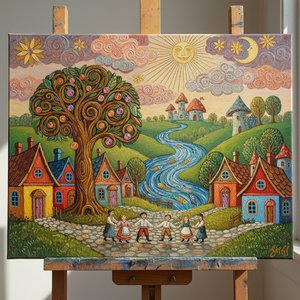
Untitled


 Ver más
La obra de arte que se muestra en esta página está protegida por las leyes de propiedad intelectual, lo que significa que no podemos crear ni vender legalmente una reproducción idéntica. Esta protección se hace cumplir en virtud de acuerdos internacionales como el Convenio de Berna y por las leyes nacionales, incluidas aquellas establecidas por el Ley de derechos de autor de los EE. UU. - Título 17.
Este método cumple plenamente con las normativas de derechos de autor, ya que no implica la copia ni la duplicación de la obra protegida. En su lugar, se trata de una reinterpretación creativa: una nueva pintura influenciada por la original, pero que no es idéntica a ella.
Giclée / Impresión de arte
Impresiones giclée o en lienzo de calidad de museo con producción rápida y opciones de acabado flexibles. ( Comprar pintura hecha a mano Cambiar a imagen digital)




P118B €10

P118H €10

P118W €10

P438Z €10

P508JH €12

P508YH €12

P805H €10

P805Z €10

P919BZ €10

P919G €10

P919XJ €10

P959ZH €10

P968JZ €12

W106C €8

W218G €10

W218JH €8

W218Y €10

W307PJ €10

W316G €10

W316PJ €8

W316Y €10

W398PJ €8

W4111J €10

W500HY €15

W500JH €15

W692G €12

W849H €8

W940BG €15

W953PJ €8




Elija entre nuestros tamaños predefinidos que respetan las proporciones originales de la obra.

Introduzca el ancho y el alto que necesite para adaptarse a su marco o pared. Una impresión solo puede recortarse, nunca hacerse más grande que la imagen original, por lo que un tamaño con una forma distinta perderá parte de la obra. Le enviaremos una maqueta digital para su aprobación antes de realizar cualquier impresión. La imagen que se muestra en esta página no refleja el recorte real; solo la maqueta lo hace.
Envío a todo el mundo () en 2 semanas en lugar de las 4/5 semanas estándar. (17 noviembre)

Envío exprés gratuito a todo el mundo

Lienzo de lino de alta calidad

Seguro de envío total

Garantía de reembolso de aranceles aduaneros

Garantía de fidelidad cromática exacta

Política de devolución de 100 días (solo por defectos)

Garantía de devolución del 100% del dinero

Descuento por cantidad
 La opción de vidrio solo está disponible en tamaños inferiores a 110 cm.

Untitled
Giclée / Impresión de arte
Dimensiones de la reproducción
-


Precio total final
€ 72
Biografía del artista
El camino luminoso de la abstracción espiritual
Alfred Manessier se erige como una figura singular en el panorama del arte abstracto francés, particularmente dentro del influyente movimiento de la Nueva Escuela de París. Nacido entre los pueblos pesqueros y las familias de canteros de Picardía, en el norte de Francia, su trayectoria artística fue moldeada por una profunda herencia familiar. Con un abuelo dedicado a la cantería decorativa y un padre y un tío que estudiaron en la École des Beaux Arts de Abbeville, Manessier poseía un aprecio fundamental por la artesanía y la expresión creativa desde sus primeros años. Esta crianza sembró en él una convicción que impregnaría toda su obra: la búsqueda del arte no solo como decoración, sino como un conducto sagrado hacia la contemplación espiritual.
Sus años de formación fueron testigos de un cambio profundo cuando su padre falleció inesperadamente, liberándolo para perseguir sus ambiciones artísticas con un fervor renovado. Inicialmente inscrito en arquitectura en la École Supérieure d’Architecture et de Beaux-Arts de París, transitó rápidamente hacia la pintura bajo la tutela de Roger Bissiere en la Académie Ranson en 1935. Esta decisión crucial coincidió con un periodo de agitación personal y despertar profesional, consolidando su dedicación a la exploración artística y propulsándolo hacia un camino radicalmente divergente de las convenciones académicas tradicionales. La Exposición Internacional de París de 1937 resultó transformadora, ya que Manessier se vio parte de un ambicioso proyecto para los centros de transporte —el Palacio del Aire y el Palacio de los Ferrocarriles— con la tarea de presentar el arte de vanguardia al público junto a luminarias como Sonia y Robert Delaunay.
Una conversión de luz y forma
La trayectoria de la obra de Manessier se vio irrevocablemente alterada por un momento de profundo encuentro espiritual. En 1943, tras un retiro de tres días en el monasterio de la Grande Trappe de Soligny, experimentó una conversión que marcaría permanentemente su vida y su lenguaje estético. Esta experiencia condujo a la desaparición de los últimos referentes figurativos en su pintura, sustituidos por una búsqueda rigurosa de una profunda expresión interior a través de un proceso que denominó intériorisation. A diferencia de la mera abstracción, que podría centrarse en cualidades puramente formales, la obra de Manessier buscaba una unión entre el hombre y la naturaleza, utilizando el color y la luz para evocar lo divino.
Durante los turbulentos años de la Segunda Guerra Mundial, Manessier encontró refugio en la región de Perche, donde su hogar se convirtió en un santuario para sus colegas artistas. Fue durante este periodo cuando participó en exposiciones como Vingt jeunes peintres de tradition française, un evento considerado el origen del movimiento no figurativo. Su estilo evolucionó hacia un magistral juego de tonos luminosos y líneas enérgicas, utilizando a menudo capas de impasto para crear una sensación de profundidad física y resonancia emocional. Ya fuera trabajando al óleo, la acuarela, o diseñando monumentales tapices y vidrieras, su capacidad para capturar la esencia de la luz permaneció como su mayor fortaleza.
El legado de la Nueva Escuela de París
La importancia histórica de Manessier reside en su capacidad para tender un puente entre la energía visceral del expresionismo abstracto y una tradición espiritual profundamente arraigada. Como miembro clave del Salon de Mai, ayudó a definir a una generación de artistas que buscaban reconstruir el paisaje cultural de Francia tras la devastación de la guerra. Su obra trasciende los límites del lienzo tradicional, extendiéndose hacia los ámbitos arquitectónicos de la vidriería y el tapiz, donde su maestría del color podía interactuar directamente con la luz natural.
El impacto perdurable de su obra puede resumirse a través de varias contribuciones artísticas fundamentales:
- Abstracción espiritual: El desarrollo de un lenguaje no figurativo capaz de transmitir temas religiosos y filosóficos profundos.
- Versatilidad material: Una transición fluida entre las texturas íntimas de la acuarela y la escala monumental de las vidrieras y los tapices.
- La Nueva Escuela de París: Su papel como figura central en el movimiento de la posguerra que redefinió el modernismo francés a través de la intériorisation.
- Naturaleza y luz: Un compromiso de por vida con la exploración de la relación simbiótica entre el mundo natural y la emoción humana mediante la brillantez cromática.
Hoy en día, las obras de Alfred Manessier continúan cautivando a coleccionistas e historiadores por igual, sirviendo como testimonio del poder del arte para actuar como una ventana al alma. Su legado permanece grabado en las formas vibrantes y arremolinadas que invitan a cada espectador a mirar más allá de la superficie y encontrar su propio momento de silenciosa y luminosa contemplación.

Alfred Manessier
1911 - 1993 , Francia
Datos clave
- Artistic Movement Or Style: Abstracción espiritual, Nueva Escuela de París
- Artists Or Movements Influenced By This Artist: ['Nueva Escuela de París']
- Artists Who Influenced This Artist: ['Roger Bissiere']
- Date Of Birth: 1911
- Date Of Death: 1993
- Full Name: Alfred Manessier
- Nationality: Francés
- Notable Artworks:
- Printemps Nordique
- Hiver
- The wood orée
- Crown of thorn
- Milk jug and fruits
- Lumière de Chartres
- Untitled (950)
- Marine construction
- Les fruits mûrs
- Marquenterre
- The blue port
- Bush the dunes
- Composition
- Dutch winter
- Plein chant
- Spanish landscape
- Storm on wheat
- Early spring
- Passion
- Butterfly ii
- Fields of seaside
- Low tide
- Study for 'the birds passing on the campaign'
- stuctures ROCKIES
- Place Of Birth: Saint-Ouen, Francia
Artículos relacionados

Las 25 obras maestras de Édouard Manet: El rebelde que cambió el arte moderno
Explora las 25 obras maestras de Édouard Manet y el realismo francés. ¡Descubre toda la colección en OriginalUniqueArt.com!

25 Obras Maestras de Édouard Manet: El Rebelde que Cambió el Arte Moderno
Explora las 25 obras maestras de Édouard Manet y su legado impresionista. ¡Descubre toda la colección en OriginalUniqueArt.com!
La Visión Inconvencional: Explorando el Arte Naïf y su Legado Duradero
Descubre el fascinante mundo del arte naïf: orígenes, artistas clave y su impacto en la historia del arte. Guía experta para coleccionistas y amantes del arte ingenuo.

10 Obras Maestras del Neoexpresionismo que Revolucionaron el Arte Moderno
Explora el alma del Neoexpresionismo con Basquiat y Kiefer. Encuentra reproducciones de museo en OriginalUniqueArt.com.

Color sin límites: Las 25 obras maestras de Henri Matisse
Sumérgete en el vibrante universo de Henri Matisse. Explora sus 25 obras maestras del fauvismo y descubre la magia del color y la forma. Encuentra reproducciones de calidad museo para tu hogar. ¡Explora la colección completa en OriginalUniqueArt.com!