

 Vista previa
 Compartir
 Compartir
 Ver detalles
 Guía
Guía

 Descargar
 Ver artículos similares
 Radiografía
 Presentación de diapositivas
 Estadísticas
UN JOYEUX BUVEUR


 Leer más
Giclée / Impresión de arte
Impresiones giclée o en lienzo de calidad de museo con producción rápida y opciones de acabado flexibles. ( Encargar reproducción pintada a mano Ver versión en imagen digital)




P118B $10

P118H $10

P118W $10

P438Z $10

P508JH $12

P508YH $12

P805H $10

P805Z $10

P919BZ $10

P919G $10

P919XJ $10

P959ZH $10

P968JZ $12

W106C $8

W218G $10

W218JH $8

W218Y $10

W307PJ $10

W316G $10

W316PJ $8

W316Y $10

W398PJ $8

W4111J $10

W500HY $15

W500JH $15

W692G $12

W849H $8

W940BG $15

W953PJ $8




Elija entre nuestros tamaños predefinidos que respetan las proporciones originales de la obra.

Puede introducir sus propias dimensiones para adaptarse a un marco o espacio específico. Si el tamaño seleccionado no coincide con las proporciones de la imagen original, recortaremos la obra de arte o extenderemos la imagen con un borde con efecto espejo o de color sólido. Se enviará una maqueta digital para su aprobación antes de que comience la producción.
Tenga en cuenta que la vista previa en pantalla no refleja el recorte o la extensión real. Solo la maqueta mostrará con precisión la composición final.
Aunque existen tamaños personalizados, recomendamos seleccionar una dimensión de la lista predefinida para preservar las proporciones originales.
Envío a todo el mundo () en 2 semanas en lugar de las 4/5 semanas estándar. (21 septiembre)

Envío exprés gratuito a todo el mundo

Lienzo de lino de alta calidad

Seguro de envío completo

Garantía de reembolso de impuestos aduaneros

Garantía de fidelidad cromática exacta

Política de devolución de 100 días (solo por defectos)

Garantía de devolución del 100% del dinero

Oferta por volumen
 La opción de vidrio solo está disponible en tamaños inferiores a 110 cm.

UN JOYEUX BUVEUR
Giclée / Impresión de arte
Tamaño de la reproducción
-


Precio total
$ 80
A Glimpse of Parisian Merriment: Un Joyeux Buveur by Alexis Grimou
Alexis Grimou’s “Un Joyeux Buveur” (A Joyful Drinker) is more than just a portrait; it's a vibrant snapshot of 18th-century French life, brimming with convivial energy and an intimate understanding of the human spirit. Painted around 1729, this captivating work, now meticulously reproduced by OriginalUniqueArt, transports us to a moment of relaxed indulgence within a bustling Parisian salon. Grimou, often dubbed the “French Rembrandt” for his masterful manipulation of light and shadow—a technique deeply influenced by the Dutch masters—crafted an image that transcends mere representation, capturing a palpable sense of joy and camaraderie.
The subject himself is immediately engaging: a man radiating warmth and good humor. Dressed in the fashionable attire of the period – a rich red coat paired with a crisp white shirt – he holds aloft a generous jug filled with wine, while his other hand cradles a delicate glass. His gaze, directed slightly upwards and to the side, suggests an appreciative enjoyment of the scene unfolding around him, inviting the viewer into his world of pleasure. The oval border framing the figure acts as both a visual anchor and a subtle theatrical device, isolating him within a space that emphasizes his central role in this tableau of merriment.
The Language of Light and Shadow
Grimou’s technical prowess is evident in his masterful use of chalk or charcoal on paper. The image unfolds through a delicate layering of tones—a symphony of grays, whites, and blacks—that creates an astonishingly realistic effect despite the monochrome palette. Soft, blended lines define the contours of the face, clothing, and hands, while subtle gradations of tone sculpt the form and imbue it with depth. The artist skillfully employs chiaroscuro – the dramatic contrast between light and dark – to highlight key features and create a sense of volume, drawing our attention to the man’s expressive eyes and the inviting gesture of his hand.
The lighting itself is remarkably diffused, lending an evenness to the scene that contributes to its overall feeling of warmth and intimacy. There are no harsh highlights or dramatic shadows; instead, a gentle illumination allows us to appreciate the textures of the fabric and the subtle nuances of the subject’s expression. This deliberate restraint enhances the painting's sense of realism and invites us to contemplate the man’s inner life.
Symbolism and Context
“Un Joyeux Buveur” is deeply rooted in the social customs of 18th-century France, a period characterized by elaborate rituals of hospitality and refined entertainment. The act of sharing wine—a symbol of friendship, celebration, and social connection—was central to these gatherings. Grimou’s depiction captures this spirit perfectly, offering us a glimpse into a world where conversation flowed freely alongside the wine, and laughter filled the air.
Furthermore, the painting reflects the artistic trends of the time, particularly the influence of Dutch portraiture. Like Rembrandt, Grimou was fascinated by capturing the psychological depth of his subjects, revealing their inner character through subtle gestures and expressions. The man’s joyful demeanor speaks volumes about his personality—a testament to Grimou's ability to convey emotion with remarkable precision.
A Timeless Appeal
More than three centuries after its creation, “Un Joyeux Buveur” retains a powerful emotional resonance. Its depiction of simple pleasures, genuine camaraderie, and the beauty of human connection continues to captivate viewers today. Reproduced faithfully by OriginalUniqueArt, this painting offers an accessible portal into the world of 18th-century France—a world where a good drink, good company, and a touch of merriment were always in season. The artwork’s enduring appeal lies not only in its technical brilliance but also in its ability to evoke a sense of warmth, nostalgia, and the universal desire for connection.
Biografía del artista
Alexis Grimou: Una Vida en Retratos
Alexis Grimou (1678 – 1733) fue un pintor de retratos francés celebrado por sus representaciones íntimas y animadas de individuos y escenas de la vida cotidiana. A menudo apodado el ‘Rembrandt francés’ debido a su maestrosa utilización de la luz y la sombra, Grimou forjó un camino único en el arte francés del siglo XVIII.
Vida Temprana y Formación
Nacido en Argenteuil, Francia, el viaje artístico de Grimou fue poco convencional. A diferencia de muchos artistas de su tiempo, no recibió formación de aprendizaje formal en un estudio. Su padre había servido anteriormente como Guardián Suizo en Versalles, proporcionando una conexión con el mundo cortesano pero no una guía artística directa. En cambio, Grimou perfeccionó sus habilidades a través del diligente autoestudio, copiando meticulosamente obras de maestros como Anthony van Dyck y Rembrandt.
Desarrollo Artístico y Estilo
La dedicación de Grimou a replicar a los Maestros Holandeses moldeó profundamente su estilo. Se hizo conocido por su capacidad para capturar la personalidad y la vida interior de sus sujetos, superando la mera semejanza física. Sus retratos se caracterizan por:
- Una paleta cálida y rica
- Uso dramático del claroscuro (luz y sombra)
- Énfasis en el realismo psicológico
- Composiciones íntimas y a menudo informales
A menudo representaba mujeres involucradas en actividades como cantar o tocar instrumentos musicales, creando escenas que parecían tanto vivas como personales. Sus pinturas de género ofrecían vislumbres de la vida de personas comunes, una desviación de la representación más formal del retrato prevaleciente en el momento.
Carrera y Reconocimiento
El talento de Grimou le valió la admisión a la Academia Real de Pintura y Escultura en París en 1705. Sin embargo, pronto renunció, presuntamente decepcionado por lo que percibía como la mediocridad de sus compañeros. Luego se unió a la Académie de Saint-Luc en París en 1709, encontrando un entorno artístico más amigable.
Obras Maestras
Si bien todavía se está desarrollando un catálogo razonado completo de las obras de Grimou, varias pinturas destacan como representativas de su estilo y habilidad:
- Joven Mujer con Vestuario Teatral: Muestra su capacidad para capturar la emoción expresiva.
- Joven Niña Peregrina: Demuestra un manejo delicado de la luz y la textura.
- Un Minstrel Español: Ejemplifica su interés en las escenas de género y los estudios de personajes.
- Autorretrato como Bebedor (Autorretrato como Bebedor): Una mirada reveladora a la personalidad del propio artista.
Influencias y Legado
Grimou fue profundamente influenciado por los Maestros Holandeses, particularmente Rembrandt, cuya utilización de la luz y la sombra emuló con notable habilidad. También se inspiró en la elegante pintura de retrato de Anthony van Dyck.
Su trabajo, a su vez, tuvo un impacto significativo en las generaciones posteriores de pintores franceses. Artistas como Jean-Honoré Fragonard y Louis-David Greuze fueron influenciados por el énfasis de Grimou en el realismo psicológico y su capacidad para infundir los retratos con personalidad y emoción. Aunque no es tan ampliamente reconocido hoy como algunos de sus contemporáneos, Alexis Grimou sigue siendo una figura importante en la historia del arte francés, conectando el abismo entre la formalidad barroca y el estilo más íntimo que caracterizaría la pintura rococó.
Significado Histórico
El trabajo de Grimou proporciona información valiosa sobre la sociedad francesa del siglo XVIII y los gustos artísticos. Sus retratos ofrecen una visión de las vidas de individuos de diversos orígenes sociales, mientras que sus escenas de género capturan las experiencias cotidianas de personas comunes. Representa un cambio hacia una mayor profundidad psicológica en el retrato, allanando el camino para que futuras generaciones de artistas exploren la vida interior de sus sujetos.

Alexis Grimou
1678 - 1733 , Francia
Datos clave
- Artistic Movement Or Style: Barroco, Rococo
- Artists Who Influenced This Artist:
- Rembrandt
- Anton van Dyck
- Date Of Birth: 1678
- Date Of Death: 1733
- Full Name: Alexis Grimou
- Nationality: Francés
- Notable Artworks:
- La Flautista
- Autorretrato como bebedor
- Niña peregrina
- Place Of Birth: Argenteuil, Francia
Artículos relacionados

Mastering Charcoal: The History, Technique, and Chiaroscuro Power of Black and White Art
Explore the profound history and technical mastery of charcoal art. From prehistoric origins to Renaissance chiaroscuro, learn the essential additive and subtractive techniques used by masters to capture light, shadow, and raw emotional depth in monochrome fine art.
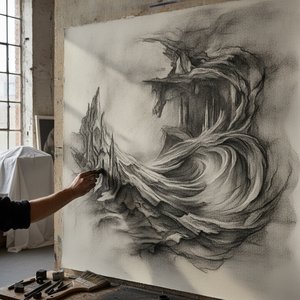
Mastering Charcoal: A Professional Guide to Texture and Depth for Large-Scale Interior Art Commissions
Discover professional techniques for mastering charcoal texture and depth. An expert guide for hotel designers and procurement managers looking to integrate high-impact monochrome art into large-scale hospitality projects with precision and scale.

Mastering the Line: A Comprehensive Expert Guide to Technical Precision and Expressive Depth in Drawing
Elevate your artistic practice with this expert guide to mastering the line. Discover advanced techniques in graphite, charcoal, and contour drawing designed for art students seeking technical precision and expressive depth in their fine art studies.

Mastering Charcoal: The Definitive Expert Guide to Capturing Profound Depth, Texture, and Shadow
Elevate your artistry with this definitive expert guide to mastering charcoal. Designed for art students, learn professional techniques for capturing profound depth, intricate textures, and dramatic shadows through advanced blending and chiaroscuro methods.

The Soul of Shadow: A Sophisticated Guide to the Timeless Beauty and Chiaroscuro Power of Charcoal Art
Discover the profound beauty of charcoal art. From prehistoric origins to Renaissance chiaroscuro, explore the elemental power of light and shadow through an expert guide for the discerning art collector.
