

 Vista previa
 Compartir
 Compartir
 Ver detalles
 Guía
Guía

 Descargar
 Ver artículos similares
 Radiografía
 Presentación de diapositivas
 Estadísticas
Calder's Circus


 Leer más
La obra de arte que se muestra en esta página está protegida por las leyes de propiedad intelectual, lo que significa que no podemos crear ni vender legalmente una reproducción idéntica. Esta protección se hace cumplir en virtud de acuerdos internacionales como el Convenio de Berna y por las leyes nacionales, incluidas aquellas establecidas por el Ley de derechos de autor de los EE. UU. - Título 17.
Este método cumple plenamente con las normativas de derechos de autor, ya que no implica la copia ni la duplicación de la obra protegida. En su lugar, se trata de una reinterpretación creativa: una nueva pintura influenciada por la original, pero que no es idéntica a ella.
Giclée / Impresión de arte
Impresiones giclée o en lienzo de calidad de museo con producción rápida y opciones de acabado flexibles. ( Encargar reproducción pintada a mano Ver versión en imagen digital)




P118B €10

P118H €10

P118W €10

P438Z €10

P508JH €12

P508YH €12

P805H €10

P805Z €10

P919BZ €10

P919G €10

P919XJ €10

P959ZH €10

P968JZ €12

W106C €8

W218G €10

W218JH €8

W218Y €10

W307PJ €10

W316G €10

W316PJ €8

W316Y €10

W398PJ €8

W4111J €10

W500HY €15

W500JH €15

W692G €12

W849H €8

W940BG €15

W953PJ €8




Elija entre nuestros tamaños predefinidos que respetan las proporciones originales de la obra.

Introduzca el ancho y el alto que necesite para adaptarse a su marco o pared. Una impresión solo puede recortarse, nunca hacerse más grande que la imagen original, por lo que un tamaño con una forma distinta perderá parte de la obra. Le enviaremos una maqueta digital para su aprobación antes de realizar cualquier impresión. La imagen que se muestra en esta página no refleja el recorte real; solo la maqueta lo hace.
Envío a todo el mundo () en 2 semanas en lugar de las 4/5 semanas estándar. (22 octubre)

Envío exprés gratuito a todo el mundo

Lienzo de lino de alta calidad

Seguro de envío completo

Garantía de reembolso de impuestos aduaneros

Garantía de fidelidad cromática exacta

Política de devolución de 100 días (solo por defectos)

Garantía de devolución del 100% del dinero

Oferta por volumen
 La opción de vidrio solo está disponible en tamaños inferiores a 110 cm.

Calder's Circus
Giclée / Impresión de arte
Tamaño de la reproducción
-


Precio total
€ 70
Alexander Milne Calder's Miniature Circus: A Testament to Precision and Play
Alexander Milne Calder’s “Calder’s Circus,” created in 1931, is more than just a charming miniature scene; it’s a meticulously crafted meditation on movement, spectacle, and the enduring allure of childhood dreams. Born in Aberdeen, Scotland, in 1898, Calder’s journey from architectural sculpture to the creation of these intricate tabletop worlds reveals a lifelong fascination with balance, form, and the expressive potential of space. This particular piece, a testament to his burgeoning skill and artistic vision, captures the vibrant energy of a circus performance within a remarkably compact scale.
The photograph itself presents a world meticulously rendered in miniature. The central circus ring, a three-tiered stage for fantastical acts, immediately draws the eye. Each performer – acrobats poised on ropes, a figure balancing with breathtaking poise, and perhaps even a clown amidst the organized chaos – is imbued with a sense of dynamic action frozen in time. Calder’s genius lies not just in depicting these figures but in conveying their movement through subtle shifts in posture and the carefully considered placement of each element. The dark background serves to amplify the richness of the colors employed, creating a dramatic contrast that enhances the visual impact.
Technique and Materials: A Masterclass in Miniature
Calder’s technique is characterized by an almost obsessive attention to detail. The craftsmanship displayed here is extraordinary, utilizing a variety of materials and textures to achieve remarkable depth within the miniature world. Notice the varied patterns and colors of the performers' costumes – each suggesting a distinct character or act, inviting the viewer to imagine the unfolding spectacle. The flooring, rendered in a realistic wooden texture, contrasts beautifully with the smooth finish of the ropes and banners, further emphasizing the tactile quality of the piece. This careful manipulation of materials speaks to Calder’s dedication to realism within his abstract forms.
The use of bold lettering – “CIRCUS” emblazoned across the flags – adds a layer of theatricality, reinforcing the theme of performance and spectacle. The placement of these banners, along with the surrounding poles, contributes to the overall sense of organized chaos that defines a circus environment. It’s clear Calder wasn't simply replicating a scene; he was constructing an illusion, a carefully orchestrated representation of a beloved tradition.
Symbolism and Historical Context
"Calder’s Circus" reflects the broader artistic trends of the early 20th century, particularly the rise of Surrealism and Dadaism. While Calder wouldn't be formally associated with these movements, his work shares their emphasis on playful distortion, dreamlike imagery, and a rejection of traditional representational norms. The circus itself has long been a potent symbol – representing escape, illusion, and the triumph of imagination over reality. Created in 1931, during the Great Depression, this piece may also be interpreted as a nostalgic yearning for simpler times and a celebration of human ingenuity and entertainment.
This miniature circus is a captivating example of Alexander Milne Calder’s artistic talent and his ability to transform everyday subjects into extraordinary works of art. A hand-painted reproduction offers an unparalleled opportunity to bring this intricate scene into your home, adding a touch of whimsy, elegance, and historical significance to any interior space.
Preguntas y respuestas
¿Qué lugar ocupa "Calder's Circus" de Alexander Milne Calder en la historia del arte?
La clasificación histórico-artística de "Calder's Circus" de Alexander Milne Calder es Kinetic Sculpture, perteneciente al periodo 19th Century.
¿Qué sentimiento transmite "Calder's Circus" al ser entregado como regalo?
El tono Joyful de "Calder's Circus" de Alexander Milne Calder combina a la perfección con su ocasión de regalo recomendada: Birthday.
¿Quién es el autor y en qué año se creó "Calder's Circus"?
El autor de "Calder's Circus" es Alexander Milne Calder, y la obra data de 1931.
Biografía del artista
Introducción a Alexander Milne Calder
Alexander Milne Calder fue un escultor escocés-estadounidense nacido en Aberdeen, Escocia, en 1846. Es más conocido por sus esculturas arquitectónicas del Ayuntamiento de Filadelfia, y tanto su hijo, Alexander Stirling Calder, como su nieto, Alexander 'Sandy' Calder, se convirtieron en escultores importantes del siglo XX.Primeros años y carrera
Alexander Milne Calder comenzó su carrera en Escocia, trabajando para el escultor John Rhind, mientras asistía a la Royal Academy en Edimburgo. Se mudó a Londres y trabajó en el Albert Memorial. Calder emigró a los Estados Unidos en 1868 y se estableció en Filadelfia, donde estudió con Joseph A. Bailly y tomó clases con Thomas Eakins en la Pennsylvania Academy of Fine Arts.Obras destacadas
Algunas de las obras más notables de Alexander Milne Calder incluyen:- Ayuntamiento de Filadelfia: una comisión que involucró más de 250 piezas en mármol y bronce, que llevó a Calder 20 años completar.
- William Penn: una estatua de bronce colosal que coronaba la torre del ayuntamiento.
- Figura india: una escultura anterior a su instalación en el ayuntamiento.
- Portal sur y Portal oeste: iluminadas con luces de colores, mostrando la atención al detalle de Calder.
Legado e Influencia
El legado de Alexander Milne Calder se extiende más allá de su propio trabajo, ya que tanto su hijo como su nieto se convirtieron en escultores prominentes. Su enfoque en la escultura arquitectónica y su habilidad para trabajar con mármol y bronce sentaron las bases para futuras generaciones de escultores estadounidenses. Su obra en el Ayuntamiento de Filadelfia es un testimonio duradero de su talento y dedicación, y sigue siendo una parte integral del paisaje urbano de la ciudad. Se pueden apreciar sus contribuciones al mundo del arte en varios museos, incluyendo el Smithsonian American Art Museum y la Galleria Civica di Arte Moderna e Contemporanea Torino.Información Adicional
- Nacimiento: 23 de agosto de 1846, Aberdeen, Reino Unido
- Fallecimiento: 14 de junio de 1923
- Estilo Artístico: Escultura arquitectónica, Beaux-Arts
- Materiales Principales: Mármol, Bronce

Alexander Milne Calder
1898 - 1976 , Reino Unido
Datos clave
- Artistas Influenciados:
- Alexander Stirling Calder
- Alexander 'Sandy' Calder
- Artistas Que Influyeron:
- John Rhind
- Thomas Eakins
- Fecha De Fallecimiento: 14 de junio de 1923
- Fecha De Nacimiento: 23 de agosto de 1846
- Lugar De Nacimiento: Aberdeen, Reino Unido
- Nacionalidad: Escocés-estadounidense
- Nombre Completo: Alexander Milne Calder
- Notable Obras:
- Philadelphia City Hall
- Estatua ecuestre de Meade
- Figura india
- Portal sur y oeste
Artículos relacionados

Esculturas de Bronce Legendarias: 10 Obras Maestras que Transformaron el Arte | OriginalUniqueArt
Descubre las 10 esculturas de bronce más legendarias que revolucionaron el arte. Explora la historia de Rodin, Degas y otros maestros del bronce. Encuentra reproducciones de alta calidad e inspiración para tu hogar en OriginalUniqueArt.com.
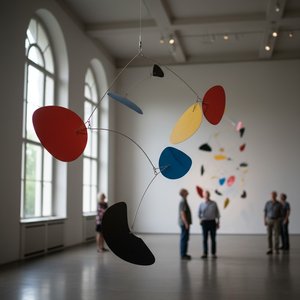
Alexander Calder: Kinetic Sculpture, Mobile Art & the Poetics of Chance
Explore the revolutionary world of Alexander Calder's kinetic sculptures & mobiles. Discover insights for collectors, acquisition advice, and the enduring legacy of this modern master. Expert analysis & art valuation.

The Enduring Form: Sculpture Across History, Technique & Emotional Resonance
Explore the rich history of sculpture with OriginalUniqueArt. Discover key techniques, influential artists & investment potential for discerning collectors. Expert insights into valuing and collecting timeless masterpieces.

The Enduring Form: Exploring Themes & Techniques in Sculpture Across Historical Periods
Explore the rich history of sculpture from ancient masterpieces to contemporary innovations. Discover key techniques, influential artists & investment potential for discerning art collectors.

Las 10 Obras Maestras de Bronce que Revolucionaron la Historia del Arte | OriginalUniqueArt
Descubre las 10 esculturas de bronce más influyentes de la historia del arte. Explora obras maestras de Rodin, Degas y otros genios. Encuentra reproducciones de arte de calidad museo en OriginalUniqueArt.com.

