

 Vista previa
 Compartir
 Compartir
 Ver detalles
 Guía
Guía

 Descargar
 Ver artículos similares
 Radiografía
 Presentación de diapositivas
 Estadísticas
El circo de Calder
 Acrílico sobre lienzo
- Arte de pared
- Escultura cinética
 1931
1931- Siglo XIX
 Museo Whitney de Arte Americano
 Leer más
La obra de arte que se muestra en esta página está protegida por las leyes de propiedad intelectual, lo que significa que no podemos crear ni vender legalmente una reproducción idéntica. Esta protección se hace cumplir en virtud de acuerdos internacionales como el Convenio de Berna y por las leyes nacionales, incluidas aquellas establecidas por el Ley de derechos de autor de los EE. UU. - Título 17.
Como una alternativa respetuosa y legal, ofrecemos obras de arte personalizadas y pintadas a mano inspiradas en la original. Nuestros expertos y profesionales del arte estudian cuidadosamente el estilo, el sentimiento y la esencia artística de la obra original para crear una pieza nueva y única que evoque la misma sensación, siendo al mismo tiempo una creación original por derecho propio.
Este método cumple plenamente con las normativas de derechos de autor, ya que no implica la copia ni la duplicación de la obra protegida. En su lugar, se trata de una reinterpretación creativa: una nueva pintura influenciada por la original, pero que no es idéntica a ella.
Reproducción al óleo hecha a mano
Óleo sobre lienzo pintado a mano en el tamaño y marco de su elección, realizado por encargo por nuestros artistas. ( Cambiar a formato impreso Ver versión en imagen digital)




P118B €10

P118H €10

P118W €10

P438Z €10

P508JH €12

P508YH €12

P805H €10

P805Z €10

P919BZ €10

P919G €10

P919XJ €10

P959ZH €10

P968JZ €12

W106C €8

W218G €10

W218JH €8

W218Y €10

W307PJ €10

W316G €10

W316PJ €8

W316Y €10

W398PJ €8

W4111J €10

W500HY €15

W500JH €15

W692G €12

W849H €8

W940BG €15

W953PJ €8




Elija entre nuestros tamaños predefinidos que respetan las proporciones originales de la obra.

Escriba el ancho y el alto que necesite para adaptarse a su marco o a su pared. Al ser una obra pintada a mano, para un tamaño con una forma distinta, el artista puede pintar un poco más alrededor de la imagen o recortar un poco; usted elige. Le enviaremos una maqueta digital para su aprobación antes de comenzar la pintura. La imagen que se muestra en esta página no refleja el resultado real; solo la maqueta lo hace.
Tras realizar el pedido, el equipo de OriginalUniqueArt.com enviará un correo electrónico al cliente para solicitar instrucciones y proporcionarle una vista previa del boceto.
Envío a todo el mundo () en 3-4 semanas en lugar de las 5 semanas estándar. (23 octubre). Sin comprometer la calidad.

Envío exprés gratuito a todo el mundo

Lienzo de lino de alta calidad

Seguro de envío completo

Garantía de reembolso de impuestos aduaneros

Garantía de fidelidad cromática exacta

Política de devolución de 100 días (solo por defectos)

Garantía de devolución del 100% del dinero

Oferta por volumen
 La opción de vidrio solo está disponible en tamaños inferiores a 110 cm.

El circo de Calder
Técnica de reproducción
Tamaño de la reproducción
-


Precio total
€ 264
El circo de miniatura de Alexander Milne Calder: Un testimonio de precisión y juego
“El circo de Calder”, creada en 1931 por Alexander Milne Calder, es mucho más que una encantadora escena en miniatura; es una meditación meticulosamente elaborada sobre el movimiento, el espectáculo y el encanto perdurable de los sueños de la infancia. Nacido en Aberdeen, Escocia, en 1898, el viaje de Calder desde la escultura arquitectónica hasta la creación de estos intrincados mundos de sobremesa revela una fascinación de por vida con el equilibrio, la forma y el potencial expresivo del espacio. Esta pieza en particular, testimonio de su creciente habilidad y visión artística, captura la energía vibrante de una función circense dentro de una escala notablemente compacta.
La fotografía en sí presenta un mundo minuciosamente plasmado en miniatura. La pista central del circo, un escenario de tres niveles para actos fantásticos, atrae la mirada de inmediato. Cada artista —acróbatas suspendidos en cuerdas, una figura que mantiene el equilibrio con una compostura asombrosa y, quizás, incluso un payaso en medio del caos organizado— está imbuido de una sensación de acción dinámica congelada en el tiempo. El genio de Calder no reside solo en la representación de estas figuras, sino en la transmisión de su movimiento a través de sutiles cambios en la postura y la colocación cuidadosamente considerada de cada elemento. El fondo oscuro sirve para amplificar la riqueza de los colores empleados, creando un contraste dramático que realza el impacto visual.
Técnica y materiales: Una clase magistral en miniatura
La técnica de Calder se caracteriza por una atención al detalle casi obsesiva. La maestría exhibida aquí es extraordinaria, utilizando una variedad de materiales y texturas para lograr una profundidad notable dentro del mundo en miniatura. Se pueden apreciar los diversos patrones y colores de los trajes de los artistas, donde cada uno sugiere un personaje o acto distinto, invitando al espectador a imaginar el espectáculo en desarrollo. El suelo, recreado con una textura de madera realista, contrasta bellamente con el acabado suave de las cuerdas y los estandartes, enfatizando aún más la cualidad táctil de la obra. Esta cuidadosa manipulación de los materiales habla de la dedicación de Calder al realismo dentro de sus formas abstractas.
El uso de letras llamativas —con la palabra “CIRCUS” grabada en las banderas— añade una capa de teatralidad, reforzando el tema del espectáculo y la actuación. La disposición de estos estandartes, junto con los postes circundantes, contribuye a la sensación general de caos organizado que define el entorno de un circo. Resulta evidente que Calder no estaba simplemente replicando una escena; estaba construyendo una ilusión, una representación cuidadosamente orquestada de una tradición amada.
Simbolismo y contexto histórico
“El circo de Calder” refleja las tendencias artísticas más amplias de principios del siglo XX, particularmente el aución del surrealismo y el dadaísmo. Aunque Calder no estaría formalmente asociado con estos movimientos, su obra comparte su énfasis en la distorsión lúdica, la imaginería onírica y el rechazo a las normas representativas tradicionales. El circo mismo ha sido durante mucho tiempo un símbolo potente, que representa la evasión, la ilusión y el triunfo de la imaginación sobre la realidad. Creada en 1931, durante la Gran Depresión, esta pieza también puede interpretarse como un anhelo nostálgico por tiempos más sencillos y una celebración del ingenio y el entretenimiento humano.
Este circo en miniatura es un ejemplo cautivador del talento artístico de Alexander Milne Calder y su capacidad para transformar temas cotidianos en obras de arte extraordinarias. Una reproducción pintada a mano ofrece una oportunidad inigualable para traer esta intrincada escena al hogar, añadiendo un toque de fantasía, elegancia y significado histórico a cualquier espacio interior.
Preguntas y respuestas
¿Qué lugar ocupa "El circo de Calder" de Alexander Milne Calder en la historia del arte?
La clasificación histórico-artística de "El circo de Calder" de Alexander Milne Calder es Escultura cinética, perteneciente al periodo Siglo XIX.
¿Qué sentimiento transmite "El circo de Calder" al ser entregado como regalo?
El tono Alegre de "El circo de Calder" de Alexander Milne Calder combina a la perfección con su ocasión de regalo recomendada: Cumpleaños.
¿Quién es el autor y en qué año se creó "El circo de Calder"?
El autor de "El circo de Calder" es Alexander Milne Calder, y la obra data de 1931.
Biografía del artista
Introducción a Alexander Milne Calder
Alexander Milne Calder fue un escultor escocés-estadounidense nacido en Aberdeen, Escocia, en 1846. Es más conocido por sus esculturas arquitectónicas del Ayuntamiento de Filadelfia, y tanto su hijo, Alexander Stirling Calder, como su nieto, Alexander 'Sandy' Calder, se convirtieron en escultores importantes del siglo XX.Primeros años y carrera
Alexander Milne Calder comenzó su carrera en Escocia, trabajando para el escultor John Rhind, mientras asistía a la Royal Academy en Edimburgo. Se mudó a Londres y trabajó en el Albert Memorial. Calder emigró a los Estados Unidos en 1868 y se estableció en Filadelfia, donde estudió con Joseph A. Bailly y tomó clases con Thomas Eakins en la Pennsylvania Academy of Fine Arts.Obras destacadas
Algunas de las obras más notables de Alexander Milne Calder incluyen:- Ayuntamiento de Filadelfia: una comisión que involucró más de 250 piezas en mármol y bronce, que llevó a Calder 20 años completar.
- William Penn: una estatua de bronce colosal que coronaba la torre del ayuntamiento.
- Figura india: una escultura anterior a su instalación en el ayuntamiento.
- Portal sur y Portal oeste: iluminadas con luces de colores, mostrando la atención al detalle de Calder.
Legado e Influencia
El legado de Alexander Milne Calder se extiende más allá de su propio trabajo, ya que tanto su hijo como su nieto se convirtieron en escultores prominentes. Su enfoque en la escultura arquitectónica y su habilidad para trabajar con mármol y bronce sentaron las bases para futuras generaciones de escultores estadounidenses. Su obra en el Ayuntamiento de Filadelfia es un testimonio duradero de su talento y dedicación, y sigue siendo una parte integral del paisaje urbano de la ciudad. Se pueden apreciar sus contribuciones al mundo del arte en varios museos, incluyendo el Smithsonian American Art Museum y la Galleria Civica di Arte Moderna e Contemporanea Torino.Información Adicional
- Nacimiento: 23 de agosto de 1846, Aberdeen, Reino Unido
- Fallecimiento: 14 de junio de 1923
- Estilo Artístico: Escultura arquitectónica, Beaux-Arts
- Materiales Principales: Mármol, Bronce

Alexander Milne Calder
1898 - 1976 , Reino Unido
Datos clave
- Artistas Influenciados:
- Alexander Stirling Calder
- Alexander 'Sandy' Calder
- Artistas Que Influyeron:
- John Rhind
- Thomas Eakins
- Fecha De Fallecimiento: 14 de junio de 1923
- Fecha De Nacimiento: 23 de agosto de 1846
- Lugar De Nacimiento: Aberdeen, Reino Unido
- Nacionalidad: Escocés-estadounidense
- Nombre Completo: Alexander Milne Calder
- Notable Obras:
- Philadelphia City Hall
- Estatua ecuestre de Meade
- Figura india
- Portal sur y oeste
Artículos relacionados

Esculturas de Bronce Legendarias: 10 Obras Maestras que Transformaron el Arte | OriginalUniqueArt
Descubre las 10 esculturas de bronce más legendarias que revolucionaron el arte. Explora la historia de Rodin, Degas y otros maestros del bronce. Encuentra reproducciones de alta calidad e inspiración para tu hogar en OriginalUniqueArt.com.
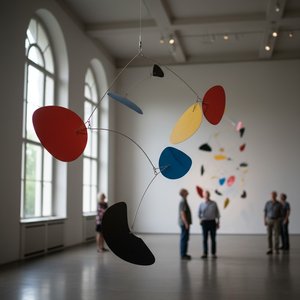
Alexander Calder: Kinetic Sculpture, Mobile Art & the Poetics of Chance
Explore the revolutionary world of Alexander Calder's kinetic sculptures & mobiles. Discover insights for collectors, acquisition advice, and the enduring legacy of this modern master. Expert analysis & art valuation.

The Enduring Form: Sculpture Across History, Technique & Emotional Resonance
Explore the rich history of sculpture with OriginalUniqueArt. Discover key techniques, influential artists & investment potential for discerning collectors. Expert insights into valuing and collecting timeless masterpieces.

The Enduring Form: Exploring Themes & Techniques in Sculpture Across Historical Periods
Explore the rich history of sculpture from ancient masterpieces to contemporary innovations. Discover key techniques, influential artists & investment potential for discerning art collectors.

Las 10 Obras Maestras de Bronce que Revolucionaron la Historia del Arte | OriginalUniqueArt
Descubre las 10 esculturas de bronce más influyentes de la historia del arte. Explora obras maestras de Rodin, Degas y otros genios. Encuentra reproducciones de arte de calidad museo en OriginalUniqueArt.com.


