

 Vista previa
 Compartir
 Compartir
 Ver detalles
 Guía
Guía

 Descargar
 Ver artículos similares
 Radiografía
 Presentación de diapositivas
 Estadísticas
PORTRAIT DE FEMME


 Leer más
Giclée / Impresión de arte
Impresiones giclée o en lienzo de calidad de museo con producción rápida y opciones de acabado flexibles. ( Encargar reproducción pintada a mano Ver versión en imagen digital)




P118B $10

P118H $10

P118W $10

P438Z $10

P508JH $12

P508YH $12

P805H $10

P805Z $10

P919BZ $10

P919G $10

P919XJ $10

P959ZH $10

P968JZ $12

W106C $8

W218G $10

W218JH $8

W218Y $10

W307PJ $10

W316G $10

W316PJ $8

W316Y $10

W398PJ $8

W4111J $10

W500HY $15

W500JH $15

W692G $12

W849H $8

W940BG $15

W953PJ $8




Elija entre nuestros tamaños predefinidos que respetan las proporciones originales de la obra.

Puede introducir sus propias dimensiones para adaptarse a un marco o espacio específico. Si el tamaño seleccionado no coincide con las proporciones de la imagen original, recortaremos la obra de arte o extenderemos la imagen con un borde con efecto espejo o de color sólido. Se enviará una maqueta digital para su aprobación antes de que comience la producción.
Tenga en cuenta que la vista previa en pantalla no refleja el recorte o la extensión real. Solo la maqueta mostrará con precisión la composición final.
Aunque existen tamaños personalizados, recomendamos seleccionar una dimensión de la lista predefinida para preservar las proporciones originales.
Envío a todo el mundo () en 2 semanas en lugar de las 4/5 semanas estándar. (26 septiembre)

Envío exprés gratuito a todo el mundo

Lienzo de lino de alta calidad

Seguro de envío completo

Garantía de reembolso de impuestos aduaneros

Garantía de fidelidad cromática exacta

Política de devolución de 100 días (solo por defectos)

Garantía de devolución del 100% del dinero

Oferta por volumen
 La opción de vidrio solo está disponible en tamaños inferiores a 110 cm.

PORTRAIT DE FEMME
Giclée / Impresión de arte
Tamaño de la reproducción
-


Precio total
$ 80
A Glimpse of Baroque Dignity: Aert de Gelder’s “Portrait of a Young Woman”
Within the hushed halls of the Art Institute of Chicago resides a captivating portrait, "Portrait of a Young Woman" by Aert de Gelder – a work that transcends mere likeness and offers a poignant glimpse into the sensibilities of 17th-century Dutch art. Painted around 1680-1700, this piece isn’t merely a depiction of a young woman; it's an embodiment of the Baroque era’s fascination with psychological depth, dramatic lighting, and the subtle complexities of human emotion. De Gelder, a student deeply influenced by Rembrandt’s later style – a lineage he carried into the 18th century – masterfully captures a sense of quiet contemplation within this intimate composition.
The painting immediately draws the eye to its subject: a young woman seated with an air of dignified reserve. Her gaze is direct, almost challenging, yet tempered by a hint of melancholy. The choice of clothing—a rich, crimson cloak or shawl draped elegantly over her shoulders—immediately speaks to status and wealth, hallmarks of aristocratic portraiture prevalent during the period. The subtle variations in color within the fabric, rendered with meticulous brushstrokes, suggest luxurious textures and a deep understanding of material quality – a testament to de Gelder’s technical skill. The overall palette is restrained, dominated by earth tones—browns, reds, and creams—creating a sense of subdued elegance that contrasts beautifully with the vibrant hue of her garment.
The Rembrandt Legacy: Style and Technique
De Gelder's artistic identity is inextricably linked to Rembrandt’s. He wasn’t simply copying his mentor; he was absorbing and reinterpreting the master’s techniques, particularly his signature use of *chiaroscuro* – the dramatic interplay of light and shadow. Notice how the artist skillfully employs this technique to sculpt the woman's form, creating a sense of volume and depth without resorting to harsh contrasts. The lighting, originating from an unseen source on the left, gently illuminates her face and upper body, while the background remains shrouded in relative darkness, further emphasizing her presence.
The brushwork itself is remarkably detailed yet subtly blended. Close inspection reveals a layering of paint—a technique known as *impasto* – that adds texture to the fabric folds and skin tones. This meticulous approach contributes significantly to the painting’s overall sense of realism, while simultaneously conveying a feeling of warmth and immediacy. The composition is relatively simple, focusing on the figure within a shallow space, but this restraint allows de Gelder to concentrate his attention on capturing the nuances of her expression and posture.
Symbolism and Emotional Resonance
Beyond its technical brilliance, “Portrait of a Young Woman” resonates with deeper symbolic meaning. The woman’s serious expression—a subtle hint of sadness in her eyes—suggests a quiet dignity and perhaps even a touch of melancholy. This isn't a frivolous depiction of youthful beauty; it’s an exploration of inner life and emotional complexity, reflecting the Baroque era’s interest in portraying human psychology with unprecedented depth. The gesture of her hand, partially concealed within the folds of her garment, adds to this sense of intimacy and invites the viewer to contemplate her thoughts and feelings.
The painting's historical context is crucial to understanding its significance. Created during a period of relative stability in Dutch society, it likely served as a commission for an aristocratic family, intended to commemorate a young woman’s coming-of-age or perhaps simply to celebrate her beauty and status. De Gelder’s ability to capture both the outward appearance and the inner character of his subject speaks volumes about the artistic standards of the time.
A Timeless Masterpiece: Reproduction and Beyond
Reproductions of “Portrait of a Young Woman” offer an exceptional opportunity to bring this remarkable artwork into your home or office. OriginalUniqueArt’s hand-painted reproductions faithfully recreate de Gelder's masterful technique, capturing the subtle nuances of light, shadow, and color with stunning accuracy. Whether you are an art enthusiast, a collector seeking a piece of Dutch Golden Age history, or simply someone who appreciates exquisite beauty, this portrait is sure to captivate your senses and evoke a profound emotional response.
Explore more about Aert de Gelder and his work on the OriginalUniqueArt website: https://www.wahoart.com/en/art/aert-de-gelder-portrait-de-femme-AQSS8T-en/
Biografía del artista
El Eco de un Maestro: La Devoción de Aert de Gelder al Espíritu de Rembrandt
Enfrentarse a las obras de Aert de Gelder es encontrarse con un eco, una resonancia vibrante y apasionada de uno de los más grandes maestros de la historia. Aunque su paso por la tierra fue trágicamente breve, De Gelder se forjó un nicho significativo en los anales del arte neerlandés, ligado para siempre por su devoción al profundo claroscuro y la profundidad emocional de Rembrandt van Rijn. Nacido en Dordrecht alrededor de 1645, su vida parece casi demasiado corta para abarcar una producción artística tan intensa. Sin embargo, dentro de esos años fugaces, absorbió la esencia misma de la técnica de un maestro, canalizándola en un cuerpo de obra que habla elocuentemente del drama humano y el fervor espiritual.
Su formación no fue meramente académica; fue una inmersión. Estudiar en el propio estudio de Rembrandt entre 1661 y 1663 lo situó en el epicentro de la innovación artística. Este aprendizaje resultó formativo, permitiéndole absorber no solo pinceladas, sino una filosofía: una manera de ver el drama inherente tanto en los momentos cotidianos como en las narrativas sagradas.
Dominando el Estilo Tardío de Rembrandt
El estilo característico de De Gelder es inseparable del brillo del período tardío de su mentor. Es un estilo marcado por una carga emocional casi palpable. Sus lienzos no simplemente representan escenas; las hacen respirar, atrayendo al espectador hacia momentos de profunda contemplación o acción intensa. Ya sea que abordara grandes narrativas bíblicas o íntimos estudios de personajes, el elemento humano permanece primordial.
Considere la amplitud dramática de piezas como "El Bautismo de Cristo" o la tensión cargada capturada en "Ahimelech Dándole la Espada de Goliat a David". Estas obras no son meras ilustraciones; son meditaciones sobre la fe y el conflicto. De Gelder poseía un don notable para la narración, utilizando la luz y la sombra —esa técnica rembrandtiana distintiva— para guiar la mirada y profundizar la resonancia emocional de cada figura.
Su retrato atestigua aún más este dominio. En obras como "Esther y Mardoqueo" o su representación del "Rey David", uno no solo percibe el parecido físico, sino el alma. Tenía una habilidad asombrosa para transmitir la turbulencia interior, la dignidad silenciosa o el espíritu triunfante que residían en sus modelos.
Significado Histórico y Legado
La carrera de Aert de Gelder sirve como un fascinante puente en la historia del arte. Su adhesión al emocionalismo y al peso narrativo de los maestros de la Edad de Oro neerlandesa le permitió mantener una conexión poderosa con el cenit de esa era, incluso cuando los gustos artísticos comenzaron a inclinarse hacia el siglo XVIII. Actuó como custodio del legado de Rembrandt, asegurando que su vocabulario dramático permaneciera vibrante.
Su significado perdurable reside en esta continuación. Demostró que se podía construir sobre los logros monumentales de un maestro sin simplemente imitarlos; más bien, interiorizó el espíritu y lo adaptó. El hecho de que instituciones como el Rijksmuseum alberguen sus piezas subraya su lugar dentro del canon del genio neerlandés, solidificando su reputación junto a gigantes como Jan Lievens.
Ver el arte de De Gelder es ser testigo de la devoción hecha visible: un compromiso por capturar el drama sublime inherente a la condición humana, todo filtrado a través del inolvidable lente de la visión incomparable de Rembrandt.

Aert De Gelder
1645 - 1645 , Países Bajos
Datos clave
- Artistic Movement Or Style: Estilo tardío de Rembrandt
- Artists Who Influenced This Artist: ['rembrandt van rijn']
- Date Of Birth: 1645
- Date Of Death: 1645
- Full Name: aert de gelder
- Nationality: Holandés
- Notable Artworks:
- El bautismo de Cristo
- Rey David
- Place Of Birth: Dordrecht, Países Bajos
Artículos relacionados

Los 10 Maestros del Barroco Holandés: Obras que Definen una Época | OriginalUniqueArt
Descubre los 10 imprescindibles del Barroco holandés: Rembrandt, Vermeer y más. Explora la historia, técnica y belleza de estas obras maestras. Reproducciones de arte en OriginalUniqueArt.com para decorar tu hogar con elegancia.

Chiaroscuro and Character: A Definitive Guide to Light and Shadow in the Dutch Baroque Era
Explore the dramatic mastery of the Dutch Baroque era. Discover how masters like Rembrandt used chiaroscuro to transform everyday life into timeless art. An expert guide for collectors and enthusiasts seeking to understand the profound interplay of light and shadow.

Goya: Las 25 Obras Maestras del Genio Español | Reproducciones de Arte en OriginalUniqueArt
Descubre las 25 obras maestras de Goya, el genio español. Explora retratos icónicos, 'Los Caprichos' y 'Las Pinturas Negras'. Reproducciones de arte en lienzo de alta calidad para decorar tu hogar con estilo. ¡Encuentra tu obra favorita en OriginalUniqueArt.com!

Rembrandt van Rijn: Las 25 Obras Maestras que Definen un Genio | Arte, Historia y Decoración
Descubre las 25 obras maestras de Rembrandt van Rijn, el genio del barroco holandés. Explora su historia, técnica y simbolismo en retratos icónicos como 'La Ronda Nocturna'. Encuentra reproducciones de arte exclusivas para decorar tu hogar con OriginalUniqueArt.com.
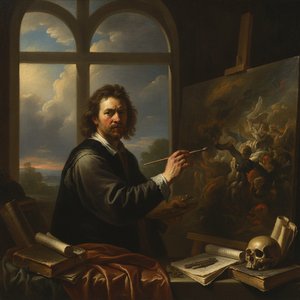
Dutch Baroque Unlocked: Mastering Chiaroscuro, Epic Drama, and the High-Impact Legacy of Rembrandt
Explore the dramatic power of Dutch Baroque art. Master the secrets of Rembrandt’s chiaroscuro, discover the epic scale of the Golden Age, and learn how to bring high-impact, hand-painted historical masterpieces into your modern collection with expert precision.
