
 Vista previa
 Compartir
 Compartir
 Ver detalles

 Descargar
 Ver similares
 Radiografía
 Presentación de diapositivas
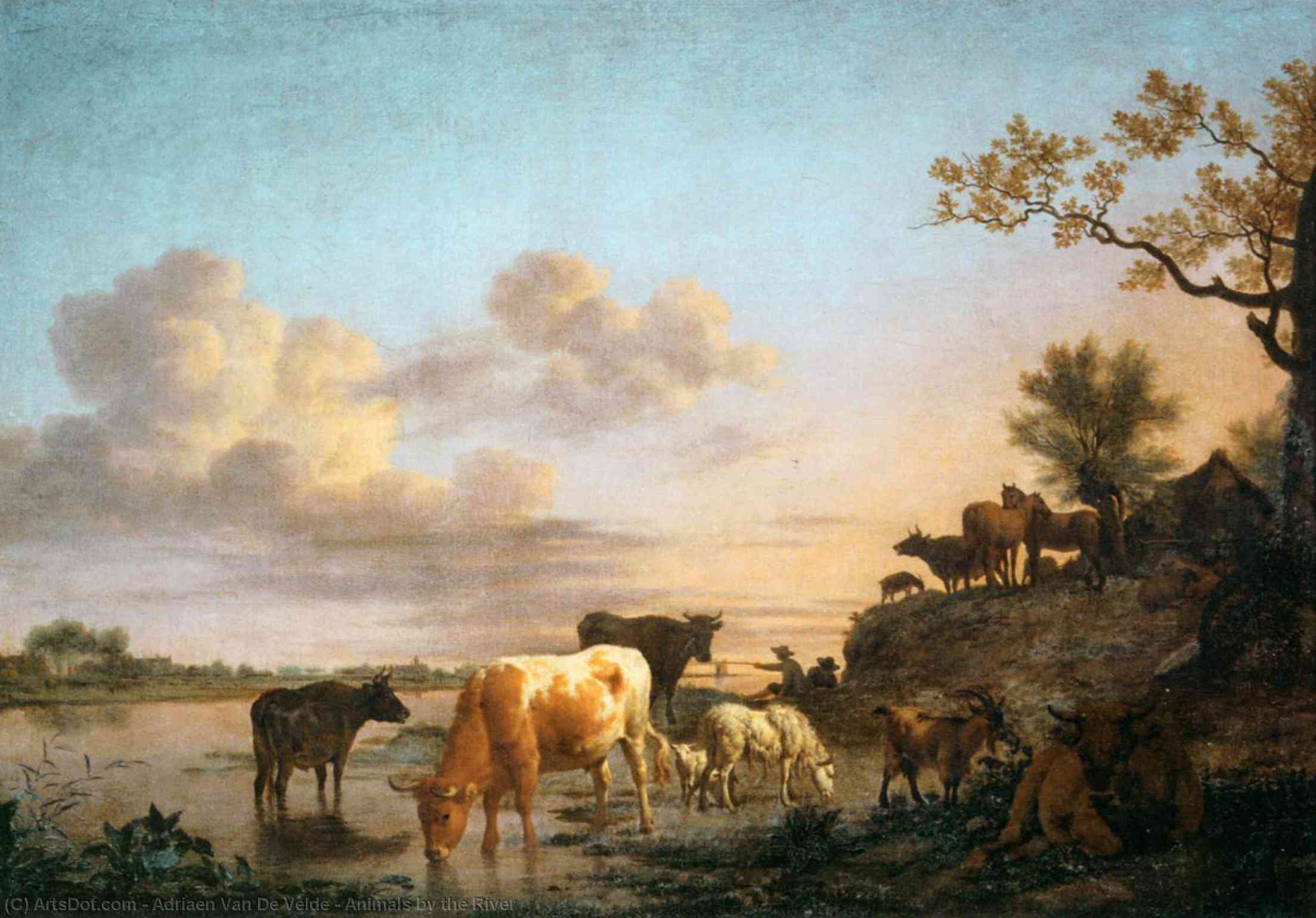
Animals by the River
 Oil On Canvas
- WallArt
- Baroque
 1664
1664 50.0 x 71.0 cm
 Museo del Louvre
 Leer más
Giclée / Impresión de arte
Impresiones giclée o en lienzo de calidad de museo con producción rápida y opciones de acabado flexibles. ( Encargar reproducción pintada a mano Comprar descarga)




P118B $10

P118H $10

P118W $10

P438Z $10

P508JH $12

P508YH $12

P805H $10

P805Z $10

P919BZ $10

P919G $10

P919XJ $10

P959ZH $10

P968JZ $12

W106C $8

W218G $10

W218JH $8

W218Y $10

W307PJ $10

W316G $10

W316PJ $8

W316Y $10

W398PJ $8

W4111J $10

W500HY $15

W500JH $15

W692G $12

W849H $8

W940BG $15

W953PJ $8




Elija entre nuestros tamaños predefinidos que respetan las proporciones originales de la obra.

Puede introducir sus propias dimensiones para adaptarse a un marco o espacio específico. Si el tamaño seleccionado no coincide con las proporciones de la imagen original, recortaremos la obra de arte o extenderemos la imagen con un borde con efecto espejo o de color sólido. Se enviará una maqueta digital para su aprobación antes de que comience la producción.
Tenga en cuenta que la vista previa en pantalla no refleja el recorte o la extensión real. Solo la maqueta mostrará con precisión la composición final.
Aunque existen tamaños personalizados, recomendamos seleccionar una dimensión de la lista predefinida para preservar las proporciones originales.
Envío a todo el mundo () en 2 semanas en lugar de las 4/5 semanas estándar. (20 agosto)

Envío exprés gratuito a todo el mundo

Lienzo de lino de alta calidad

Seguro de envío completo

Garantía de reembolso de aranceles aduaneros

Garantía de fidelidad cromática exacta

Política de devolución de 60 días (solo por defectos)

Garantía de devolución del 100% del dinero

Oferta por volumen
 La opción de vidrio solo está disponible en tamaños inferiores a 110 cm.

Animals by the River
Giclée / Impresión de arte
Tamaño de la reproducción
-


Precio total
$ 80
Descripción de la pieza
A Symphony of Light and Shadow: Adriaen van de Velde’s “Animals by the River”
Adriaen van de Velde's "Animals by the River," painted in 1664, isn’t merely a depiction of livestock; it’s a carefully constructed tableau brimming with quiet observation and an exquisite understanding of light. This remarkable work, now meticulously reproduced on canvas, transports us to a serene corner of the Dutch countryside – a place where the rhythms of rural life unfold with a palpable sense of peace. Van de Velde, a pivotal figure in the Dutch Golden Age, masterfully blended influences from Italianate landscape painting with his native Dutch traditions, creating an atmosphere both familiar and subtly exotic.
The scene itself is deceptively simple: a gently flowing river bisects a verdant meadow, dotted with grazing cows – their forms rendered with a remarkable sensitivity to musculature and movement. A small herd of horses, one close to the left edge and another towards the right, adds a touch of dynamism to the composition. A solitary dog, positioned near the center-right, seems to observe the proceedings with quiet curiosity. Yet, it’s not the subject matter that commands attention but rather Van de Velde's masterful handling of light and shadow. He employs a technique known as “chiaroscuro,” dramatically contrasting areas of bright illumination with deep, cool shadows, creating an almost theatrical effect. The sunlight, seemingly originating from an unseen source, washes over the scene, highlighting the textures of the grass, the sheen of the animals’ coats, and the reflections shimmering on the water's surface.
The Italianate Influence and Dutch Roots
Van de Velde’s artistic journey is a fascinating blend of influences. Initially apprenticed to his father, Willem van de Velde the Elder, a renowned marine painter, Adriaen quickly recognized that he preferred the quieter beauty of the land. He sought guidance from Jan Wynants in Haarlem, absorbing the principles of landscape composition and mastering the art of capturing atmospheric effects – skills that would prove invaluable as he later collaborated with Philip Wouwerman, a master of animal painting who instilled within him an appreciation for the nuances of portraying living creatures.
Crucially, Van de Velde’s work reflects the burgeoning influence of Italianate landscape painting during this period. Artists like Karel Dujardin and Nicolaes Berchem had popularized scenes of idyllic pastoral landscapes – often featuring shepherds, cattle, and mythological figures – set against a backdrop of rolling hills and bathed in golden light. Van de Velde skillfully adopted these techniques, adapting them to the specific context of the Dutch countryside. This fusion of Italianate elegance with distinctly Dutch agricultural themes created a unique visual language that defined his oeuvre.
Symbolism and the Rhythm of Rural Life
Beyond its technical brilliance, “Animals by the River” is rich in symbolic meaning. The scene evokes a sense of harmony between humanity and nature – a reflection of the prevailing worldview during the Dutch Golden Age, where prosperity was often linked to responsible stewardship of the land. The cows, grazing peacefully, represent abundance and fertility, while the horses symbolize strength and vitality. The river itself acts as a unifying element, connecting the various elements of the composition and suggesting a continuous flow of life.
Furthermore, the painting captures a specific moment in time – a fleeting glimpse into the daily rhythms of rural life. The animals are engaged in their natural behaviors: grazing, drinking, observing. Van de Velde’s meticulous attention to detail allows us to feel as though we are witnessing this scene unfold before our very eyes. It's a testament to his ability to imbue even the most commonplace subject matter with profound beauty and emotional resonance.
A Timeless Masterpiece – Perfect for Your Space
Reproduced with exceptional fidelity, “Animals by the River” offers a stunning addition to any home or office. The rich colors, intricate details, and masterful use of light create a captivating visual experience that will transform any room into a sanctuary of tranquility. Whether you’re an art enthusiast, a collector seeking a piece of Dutch Golden Age history, or simply someone who appreciates the beauty of nature, this reproduction is sure to delight and inspire.
Consider framing this exquisite artwork in a classic wooden frame to further enhance its timeless appeal. Its serene composition and evocative imagery will undoubtedly become a cherished focal point, adding a touch of elegance and sophistication to your interior design.
Biografía del artista
El Maestro de la Serenidad Pastoral
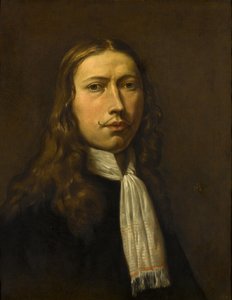
Adriaen van de Velde se erige como una figura fundamental en el Siglo de Oro neerlandés, un periodo definido por un florecimiento sin precedentes de innovación artística y precisión observacional. Nacido en Ámsterdam en 1636, estuvo inmerso desde su nacimiento en un linaje de profundo talento artístico. Como hijo del célebre pintor de marinas Willem van de Velde el Viejo y hermano del renombrado maestro marítimo Willem van de Velde el Joven, Adriaen estaba destinado a la grandeza dentro del vibrante entorno del arte neerlandés del siglo XVII. Sin embargo, en lugar de seguir el camino de su hermano hacia los mares turbulentos y las vistas marítimas, Adriaiente buscó un tipo diferente de tranquilidad. Dirigió su mirada hacia la tierra, perfeccionando sus habilidades en el estudio de Jan Wynants, donde dominó los delicados matices de la composición del paisaje y aprendió a capturar los sutiles efectos atmosféricos que infunden vida a un lienzo.
Su evolución artística se enriqueció aún más gracias a una profunda conexión con las obras de Philip Wouwerman. Esta mentoría le inculcó un profundo aprecio por la pintura de animales, una especialidad que se convertiría en su sello distintivo. Van de Velde poseía una capacidad extraordinaria para combinar la observación meticulosa con una imaginación poética y artística. Se volvió instrumental en el avance del género del paisaje italianizante, introduciendo figuras en los paisajes con tal gracia y naturalismo que sus técnicas fueron adoptadas posteriormente por luminarias como Hobbema y Ruysdael. Su obra presenta a menudo prados ondulantes rebosantes de vida —ovejas, ganado y cabras— ejecutados con una coloración plateada y un compromiso con el realismo que transporta al espectador a un mundo idílico y atemporal.
Técnica y Visión Artística
La brillantez de la obra de Van de Velde reside en su capacidad para evocar emociones a través de la luz y la textura. Sus paisajes no son meras representaciones de escenarios, sino experiencias atmosféricas. Ya estuviera pintando un Paisaje montañoso con vacas o los detalles íntimos de Una cabra y un cabrito, su pincelada transmitía una sensación de paz y permanencia. Utilizaba una paleta que podía oscilar desde tonos cálidos y bañados por el sol hasta la luz fresca y plateada característica de la atmósfera neerlandía, creando profundidad y una sensación palpable de aire dentro de sus composiciones.
Más allá de sus célebres escenas pastorales, Van de Velde demostró una versatilidad sorprendente que hacía gala de su dominio sobre diferentes modos narrativos. Su talento no se limitó al mundo natural; también se aventuró en la iconografía religiosa, como se observa notablemente en su creación de La Descendencia de la Cruz para una iglesia católica clandestina en Ámsterdam. Esta capacidad de pivotar desde la belleza secular de un puente de piedra o un prado rural hacia la profunda gravedad de los temas sagrados habla de un artista con un rango técnico e intelectual inmenso.
Legado y Significado Histórico
A lo largo de su carrera, Van de Velde fue un espíritu colaborador, trabajando junto a otros maestros de su época como Jan van der Heyden y Frederik de Moucheron. Su dedicación al refinamiento de la representación animal ayudó a elevar el estatus de la pintura de género dentro de la jerarquía de temas neerlandeses. Su influencia puede rastrearse a través del desarrollo de la tradición del paisaje, ya que tendió un puente entre el realismo robusto de los primeros maestros neerlandeses y los estilos italianizantes más idealizados y clásicos que le seguirían.
Aunque su vida fue trágicamente breve, terminando en 1672, el impacto de sus aproximadamente doscientas obras supervivientes sigue siendo profundo. Dejó tras de sí un legado de:
- Maestría de la luz: Una capacidad inigualable para capturar las cualidades fugaces y atmosféricas del cielo y el paisaje neerlandés.
- Retrato animal: La elevación del ganado y los animales pastorales de meros elementos de fondo a sujetos centrales y con alma en el arte.
- Innovación de género: La integración de figuras humanas en los paisajes de una manera que se sentía orgánica, narrativa y profundamente integrada en el entorno.
Hoy en día, Adriaen van de Velde es recordado no solo como un pintor de escenas, sino como un poeta del paisaje, cuya obra continúa ofreciendo una ventana al corazón tranquilo y soleado del Siglo de Oro neerlandés.
Adriaen Van De Velde
1636 - 1672 , Países Bajos
Datos clave
- Artistic Movement Or Style: Paisajismo italiano
- Artists Who Influenced This Artist:
- Jan Wynants
- Filipo Wouwerman
- Date Of Birth: Amsterdam, Netherlands (1636)
- Date Of Death: Amsterdam, Netherlands (1672)
- Full Name: Adriaen van de Velde
- Nationality: Holandés
- Notable Artworks:
- Campo de ganado y ovejas
- Descenso de la cruz
- Place Of Birth: Amsterdam
Artículos relacionados
Animalia: Explorando la Presencia Duradera de los Animales en el Arte y el Diseño de Interiores
Descubre la fascinante historia de los animales en el arte y cómo inspirar tu hogar con su simbolismo. Expertos en reproducciones y asesoramiento artístico.
The Noble Steed on Canvas: A Historical & Artistic Exploration of Horse Painting Across Cultures
Explore the rich history of horse painting! Discover masterpieces from Stubbs to Munnings & learn about symbolism, techniques & artists. Find museum-quality reproductions at OriginalUniqueArt.
The Noble Steed: A Historical and Artistic Exploration of Horses in Fine Art
Explore the rich history of horses in fine art! From ancient depictions to Renaissance masterpieces & beyond, discover iconic artworks and artists. Learn about symbolism, techniques, and find museum-quality reproductions at OriginalUniqueArt.
Beastly Brushstrokes: A Historical Journey Through Animal Painting & Aesthetic Movements
Explore the rich history of animal painting across cultures & movements. Discover iconic artists, symbolism, collecting trends & expert art consultation at OriginalUniqueArt.com.
Charles Leickert: Capturing the Dutch Golden Age Light – A Comprehensive Study of Technique, Context, and Legacy
Explore the captivating winter landscapes of Charles Leickert, a master of Dutch Golden Age light & atmosphere. Discover his techniques, symbolism, and lasting legacy – a comprehensive study for art enthusiasts and collectors.

