() ·

Una pintura hecha para ti, a mano

Battle

Reproducción al óleo hecha a mano

Óleo sobre lienzo pintado a mano en el tamaño y marco de su elección, realizado por encargo por nuestros artistas. ( Cambiar a impresiones Cambiar a imagen digital)

Descripción del objeto

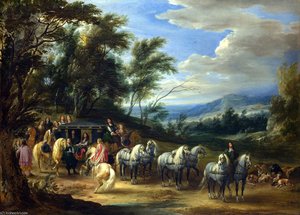
A dramatic Baroque painting by Adam Frans van der Meulen depicting an intense cavalry battle. Witness the chaos and heroism of war with stunning detail and vibrant colors.

Biografía del artista

Descubre a Adam Frans van der Meulen (1632-1690), pintor flamenco célebre por sus escenas de batalla dinámicas y paisajes que inmortalizan los triunfos militares de Luis XIV. ¡Un artista clave en la imagen del 'Rey Sol'!

desde ·

Capítulo 1

¿Qué tamaño debería tener?

Deslice para cambiar el tamaño; la imagen de la izquierda muestra el marco con su anchura real. Se mantienen las proporciones originales.

Tamaño estándar
a medida
CM
INCH

Elija entre nuestros tamaños predefinidos que respetan las proporciones originales de la obra.

ancho
altura

Indique el ancho y el alto que necesite para adaptarse a su marco o pared. Al tratarse de una obra pintada a mano, si requiere un tamaño con una proporción distinta, el artista puede pintar un poco más alrededor de la imagen o recortarla ligeramente; usted elige. Le enviaremos una maqueta digital para su aprobación antes de comenzar la pintura. La imagen que se muestra en esta página no refleja el resultado real; solo la maqueta lo hace.

Capítulo 2

¿Cómo debe llegar?

Elige el acabado de los bordes del lienzo

Elige tu marco

Corner sample of the WhiteWrap canvas edge finish, stretched on madera maciza bars
Blanco €1
Corner sample of the BlurSideWrap canvas edge finish, stretched on madera maciza bars
Bordes difuminados €1
Corner sample of the ExtendedWrap canvas edge finish, stretched on madera maciza bars
Continuación de imagen €1
Corner sample of the P118B picture frame: poliestireno moldeado, 5 cm wide and 3 cm thick
P118B €10
Corner sample of the P118H picture frame: poliestireno moldeado, 5 cm wide and 3 cm thick
P118H €10
Corner sample of the P118W picture frame: poliestireno moldeado, 5 cm wide and 3 cm thick
P118W €10
Corner sample of the P438Z picture frame: poliestireno moldeado, 5.5 cm wide and 3.5 cm thick
P438Z €10
Corner sample of the P508JH picture frame: poliestireno moldeado, 7 cm wide and 3.5 cm thick
P508JH €12
Corner sample of the P508YH picture frame: poliestireno moldeado, 7 cm wide and 3.5 cm thick
P508YH €12
Corner sample of the P805H picture frame: poliestireno moldeado, 5 cm wide and 3.5 cm thick
P805H €10
Corner sample of the P805Z picture frame: poliestireno moldeado, 5 cm wide and 3.5 cm thick
P805Z €10
Corner sample of the P919BZ picture frame: poliestireno moldeado, 7 cm wide and 3.5 cm thick
P919BZ €10
Corner sample of the P919G picture frame: poliestireno moldeado, 7 cm wide and 3.5 cm thick
P919G €10
Corner sample of the P919XJ picture frame: poliestireno moldeado, 7 cm wide and 3.5 cm thick
P919XJ €10
Corner sample of the P959ZH picture frame: poliestireno moldeado, 5 cm wide and 3 cm thick
P959ZH €10
Corner sample of the P968JZ picture frame: poliestireno moldeado, 6 cm wide and 4 cm thick
P968JZ €12
Corner sample of the W106C picture frame: madera maciza, 5 cm wide and 3 cm thick
W106C €8
Corner sample of the W218G picture frame: madera maciza, 5 cm wide and 3 cm thick
W218G €10
Corner sample of the W218JH picture frame: madera maciza, 5 cm wide and 3 cm thick
W218JH €8
Corner sample of the W218Y picture frame: madera maciza, 5 cm wide and 3 cm thick
W218Y €10
Corner sample of the W307PJ picture frame: madera maciza, 6 cm wide and 3 cm thick
W307PJ €10
Corner sample of the W316G picture frame: madera maciza, 6 cm wide and 3 cm thick
W316G €10
Corner sample of the W316PJ picture frame: madera maciza, 6 cm wide and 3 cm thick
W316PJ €8
Corner sample of the W316Y picture frame: madera maciza, 6 cm wide and 3 cm thick
W316Y €10
Corner sample of the W398PJ picture frame: madera maciza, 5 cm wide and 3 cm thick
W398PJ €8
Corner sample of the W4111J picture frame: madera maciza, 6.5 cm wide and 3.5 cm thick
W4111J €10
Corner sample of the W500HY picture frame: madera maciza, 7 cm wide and 5 cm thick
W500HY €15
Corner sample of the W500JH picture frame: madera maciza, 7 cm wide and 5 cm thick
W500JH €15
Corner sample of the W692G picture frame: madera maciza, 8 cm wide and 4 cm thick
W692G €12
Corner sample of the W849H picture frame: madera maciza, 5 cm wide and 3 cm thick
W849H €8
Corner sample of the W940BG picture frame: madera maciza, 7.5 cm wide and 4.5 cm thick
W940BG €15
Corner sample of the W953PJ picture frame: madera maciza, 6 cm wide and 3.5 cm thick
W953PJ €8
Corner sample of the H24-GOLD picture frame: madera tallada con estuco, 10 cm wide and 6 cm thick
H24-GOLD €30
Corner sample of the H24-SILVER picture frame: madera tallada con estuco, 10 cm wide and 6 cm thick
H24-SILVER €30
Corner sample of the H36-GOLD picture frame: madera tallada con estuco, 15 cm wide and 6.5 cm thick
H36-GOLD €45
Corner sample of the H36-SILVER picture frame: madera tallada con estuco, 15 cm wide and 6.5 cm thick
H36-SILVER €45

Moldura: . Dimensiones totales con marco: .

Capítulo 3

¿Quién lo pinta y debería cambiar algo?

Ejemplos de lo que se puede cambiar: Reemplazar el rostro con la foto del cliente; Añadir una mascota (por ejemplo, cambiar un gato por un perro); Incluir un mensaje oculto en el fondo; Cambiar el paisaje o los elementos del fondo.
Tras realizar el pedido, el equipo de OriginalUniqueArt.com enviará un correo electrónico al cliente para solicitar instrucciones y proporcionar una vista previa del boceto

Envío a todo el mundo () en 3-4 semanas en lugar de las 5 semanas estándar. (4 noviembre). Sin comprometer la calidad.

Capítulo 4

Los últimos retoques

¿Una placa de identificación, como en un museo?

Detalles de la placa de bronce grabada

This elegant plaque features the artist's name and the title of the artwork, finely engraved for a timeless presentation.

It is made from bronze with a refined, elegant finish. The text is precisely laser-engraved for a sharp and permanent result. Measuring 9x2 cm, the plaque is compact yet easy to read. It's built to be durable and scratch-resistant, offering a professional, museum-quality look. Mounting is simple thanks to the included adhesive backing.

Detalles de la placa de acrílico transparente

The plaque includes essential engraved details such as the artist's name, the title of the artwork, the date it was created, the type of media used-like oil on canvas or watercolor-a brief description of the piece, and a QR code that links to the complete artwork information.

It is crafted from clear acrylic, offering a sleek, modern appearance. The text is UV-engraved in black to ensure strong visual contrast. With a size of 10x15 cm, it ensures optimal readability. It comes equipped with two metal hooks for secure wall mounting. The plaque is designed to be weather-resistant, making it suitable for various environments, and it includes interactive features that work seamlessly with smartphone scanning.

Detalles de la placa de acrílico negro

This elegant plaque includes engraved information such as the artist's name, the title of the artwork, the date it was created, the type of media used (like oil on canvas or watercolor), a short description of the artwork, and a QR code for quick access to more information.

The plaque itself is made from refined black acrylic with a premium finish. The text is laser-engraved in white for high contrast and readability. Its size is 10x15 cm, designed to be easy to read. It comes with two metal hooks for professional mounting. The design is sleek and fits any interior style. It is also weather-resistant and durable, with built-in digital integration for mobile compatibility.

¿Un barniz protector?

¿Para cuándo lo necesita?

Capítulo 5

Su pintura, tal como la solicitó

Battle

Técnica de reproducción

Dimensiones de la reproducción

-

Selección de artistas premium

Mayor nivel de detalle, delicadeza y tiempo de producción adicional

-

Enmarcado de reproducción

-

-

Para obras de arte o reproducciones que midan más de 105 cm (aproximadamente 41 pulgadas) en cualquiera de sus lados, el marco se enviará como un kit desmontado. Este método garantiza una entrega segura y evita daños durante el transporte.

Se requiere montaje profesional: este no es un producto para hacer usted mismo (DIY).
El kit debe ser ensamblado y el lienzo tensado por un enmarcador profesional con experiencia, utilizando cola para madera (no incluida), una tenaza para tensar lienzos y sargentos para mantener los bastidores alineados mientras la cola se seca. Un montaje incorrecto o una tensión desigual del lienzo pueden dañar la obra de arte de forma permanente y no están cubiertos por nuestra garantía.

  • Se incluyen todos los listones de madera maciza, cortados con precisión según las medidas.

  • Se ensambla con los tornillos incluidos, además de cola para madera para las uniones de las esquinas, la cual no se incluye y debe ser proporcionada por su enmarcador.

  • Se requieren herramientas profesionales que no están incluidas: un alicate para tensar lienzos (tensor) y abrazaderas para mantener los bastidores alineados mientras se seca el pegamento.

Importante:
Las uniones de las esquinas requieren cola para madera, los listones deben sujetarse con prensas hasta que la cola esté completamente seca, y para tensar el lienzo en el bastidor ensamblado se requiere una pinza para tensar lienzos. Ninguno de estos elementos está incluido en el kit. Por favor, contacte con un profesional del enmarcado con experiencia antes de realizar un pedido de este tamaño.

Cartela

-

-

Barniz protector

Barniz brillante (realza los colores y protege contra la luz y la humedad)

-

Personalizar mi obra

Ejemplos de lo que se puede personalizar: sustituir el rostro por una foto del cliente; añadir una mascota (por ejemplo, cambiar un gato por un perro); incluir un mensaje oculto en el fondo; cambiar el paisaje o los elementos del fondo.

-

Envío urgente

Envío a todo el mundo () en 3 o 4 semanas, en lugar de las 5 semanas habituales. (4 noviembre). Sin comprometer la calidad.

-

Envío urgente

Envío internacional () en 5 semanas. (11 noviembre).

Incluido

Precio total final

€ 268

Precio total € 268

La opción de vidrio solo está disponible en tamaños inferiores a 110 cm.

Incluido en cada pedido

  • Envío exprés gratuito a todo el mundo
  • Lienzo de lino de alta calidad
  • Seguro de envío total
  • Garantía de reembolso de aranceles aduaneros
  • Garantía de fidelidad cromática exacta
  • Política de devolución de 100 días (solo por defectos)
  • Garantía de devolución del 100% del dinero
  • Descuento por cantidad

The Canvas of Conflict: An Overview

Adam Frans van der Meulen’s “Battle,” painted in 1657, isn't merely a depiction of warfare; it’s a meticulously crafted tableau of power, chaos, and the calculated grandeur of Louis XIV’s France. This monumental oil-on-canvas, currently residing within the hallowed halls of The Hermitage Museum in St. Petersburg, transcends the simple act of recording a battle – it's an active participant in shaping a royal image, a visual testament to military prowess commissioned by the ‘Sun King’ himself. Measuring 121 x 172 cm, the painting immediately commands attention with its dynamic composition and dramatic use of light and shadow, transporting the viewer directly into the heart of the fray.

Van der Meulen, a pivotal figure in the artistic service of Louis XIV, skillfully blended realism with propagandistic intent. He wasn’t simply an observer; he was a designer of spectacle, translating battlefield victories into opulent tapestries and, crucially, this arresting painting. The scene unfolds as a carefully orchestrated drama – a swirling vortex of charging cavalry, clashing swords, and the desperate struggles of infantrymen, all set against a backdrop of a strategically rendered landscape. The sheer scale of the work, combined with its intense detail, speaks to the importance placed on projecting an image of strength and dominance during this period.

A Baroque Symphony of Movement and Detail

The painting’s style firmly anchors it within the Baroque era – a movement characterized by dramatic intensity, elaborate ornamentation, and a heightened sense of realism. Van der Meulen masterfully employs chiaroscuro, the technique of strong contrasts between light and dark, to sculpt the figures and create a palpable sense of depth and immediacy. The foreground explodes with activity: horses rearing in panic, soldiers locked in brutal hand-to-hand combat, their armor gleaming under the simulated sunlight. The artist’s brushwork is remarkably loose and energetic in these areas, mirroring the frenetic energy of the battle itself – a deliberate choice to convey the chaos and urgency of the scene.

Conversely, the background landscape—trees silhouetted against a stormy sky, distant buildings hinting at a fortified town—is rendered with greater control and precision. This contrast serves to emphasize the central action while simultaneously establishing a sense of scale and strategic context. Van der Meulen’s attention to detail is astonishing; you can almost feel the grit beneath your feet, hear the clash of steel, and smell the smoke of battle. The meticulous depiction of armor, weaponry, and horse harnesses speaks not only to his artistic skill but also to his deep understanding of military equipment and tactics.

Symbolism and Royal Propaganda

Beyond its immediate visual impact, “Battle” is laden with symbolic meaning. The composition itself—a tightly packed mass of figures engaged in a decisive struggle—represents the overwhelming power of the French army under Louis XIV. The heroic postures of the mounted officers, often depicted as unflinching and resolute, reinforce the king’s image as a fearless leader. The inclusion of specific details – such as the royal standard prominently displayed – further solidifies this message of authority and legitimacy.

Furthermore, the painting's creation was intrinsically linked to Louis XIV’s ambition to establish France as the dominant power in Europe. By commissioning works like “Battle,” Van der Meulen played a crucial role in shaping public perception of the king and his reign – transforming military victories into symbols of national pride and imperial glory. The painting, therefore, functions not just as an artistic achievement but also as a powerful instrument of propaganda.

A Legacy of Power and Artistic Skill

“Battle” by Adam Frans van der Meulen stands as a remarkable testament to the artist’s skill and his service to the French monarchy. It's a dynamic, emotionally charged depiction of war that transcends its historical context, offering viewers a glimpse into the world of 17th-century military strategy and royal ambition. Reproductions of this masterpiece continue to captivate audiences today, serving as reminders of the enduring power of art to shape perceptions and immortalize moments in history. Its dramatic composition, masterful use of light and shadow, and meticulous attention to detail make it a truly exceptional work of Baroque art.

Preguntas y respuestas

¿Qué representa "Battle" de Adam Frans van der Meulen y qué atmósfera transmite?

"Battle" de Adam Frans van der Meulen representa battle, war, soldiers, cavalry, chaos, action, 17th century, painting, con un ambiente Dramatic. El tema y la atmósfera describen juntos la obra.

¿Cuál es la luminancia de "Battle" de Adam Frans van der Meulen?

"Battle" de Adam Frans van der Meulen tiene una luminancia de Dark. La luminancia describe cuánta luz parecen reflejar los colores.

¿Qué temas aparecen en "Battle" de Adam Frans van der Meulen?

Los temas presentes en "Battle" de Adam Frans van der Meulen incluyen battle, war, soldiers, cavalry, chaos, action, 17th century, painting, los cuales resumen la temática de la obra.

Más información sobre esta pintura

Ver en contexto Vista previa en RA Cambiar a impresiones Cambiar a imagen digital Enviar
Detalles Guía Añadir a favoritos Descargar Similares Radiografía Presentación de diapositivas Preguntas y respuestas Estadísticas

En cifras

  • 1657el año en que fue pintada
  • 29marcos disponibles para elegir
  • tamaños estándar, en sus propias proporciones
  • 5semanas para pintar y entregar la obra
Adam Frans van der Meulen

Adam Frans van der Meulen

1632 - 1690, Bélgica

Datos rápidos sobre Adam Frans van der Meulen

  • Artistas Influenciados:
    • Karel Breydel
    • Jean-Baptiste Martin
  • Artistas Que Influyeron: ['Peter Snayers']
  • Fecha De Fallecimiento: 1690
  • Fecha De Nacimiento: 11 de enero de 1632
  • Lugar De Nacimiento: Bruselas, Bélgica
  • Movimiento Artístico: Barroco
  • Nacionalidad: Flamenco
  • Nombre Completo: Adam Frans van der Meulen
  • Obras Notables:
    • El Paso del Rin en 1672
    • Louis XIV en Charleroi
    • Nuevo Château de Saint-Germain

Biografía del artista

Adam Frans van der Meulen: Una Vida al Servicio del 'Rey Sol'

  • Nacido: Bruselas, Bélgica (1632)
  • Fallecido: 1690

Adam Frans van der Meulen, o Adam-François van der Meulen, fue un pintor y dibujante flamenco reconocido por sus representaciones de campañas militares y conquistas. Nacido en Bruselas el 11 de enero de 1632, se convirtió en una figura significativa tanto en la historia del arte flamenco como en la francesa, particularmente conocido por su papel en dar forma a la imagen de Luis XIV como el 'Rey Sol'.

Vida Temprana y Formación

Van der Meulen era el hijo mayor de siete hijos nacidos de Pieter van der Meulen, un notario, y Maria van Steenwegen. Su temprana formación artística comenzó en 1651 cuando se registró con el Gremio de San Lucas de Bruselas como alumno de Peter Snayers, un destacado pintor de Amberes especializado en escenas de batalla, ataques a convoyes, civiles y escenas de caza. Esta tutoría demostró ser crucial, sentando las bases para su futura carrera.

Al convertirse en maestro del gremio en 1651, Van der Meulen produjo inicialmente obras que reflejaban las de su mentor Snayers: principalmente escaramuzas de caballería y representaciones de retinues cortesanos a caballo. Su habilidad para retratar caballos rápidamente ganó reconocimiento, atrayendo la atención de Francia.

Servicio a Luis XIV: Propagandista y Diseñador de Tapices

En 1664, Van der Meulen fue convocado a París por Jean-Baptiste Colbert, el poderoso Superintendente de Edificios, Artes y Manufacturas. Colbert le encargó inmortalizar los éxitos militares de Luis XIV a través de una serie de tapices: un elemento clave en la imagen propagandística del rey. Charles Le Brun, el pintor de la corte y director de la recién creada Manufactura de los Gobelinos, reclutó a Van der Meulen para ayudar en este ambicioso proyecto.

  • Serie de Tapices: Van der Meulen contribuyó significativamente a varias series de tapices, incluyendo "La Historia del Rey", que representaba conquistas militares.
  • Colaboraciones: Colaboró frecuentemente con otros artistas flamencos como Adriaen Frans Boudewijns y Abraham Genoels, quienes asistieron en el diseño de paisajes y grabado.
  • Serie de Residencias Reales: Van der Meulen también trabajó en la serie "Maison Royales" ('Residencias Reales'), mostrando varios palacios de Luis XIV.

Su salario anual en la Manufactura de los Gobelinos aumentó constantemente, reflejando su creciente importancia. Acompañó a Luis XIV durante campañas militares en Flandes y Borgoña, documentando meticulosamente los eventos a través de dibujos que más tarde informarían sus pinturas.

Estilo Artístico e Influencia

El estilo artístico de Van der Meulen se caracterizó por:

  • Escenas de Batalla Dinámicas: Sus representaciones de batallas eran conocidas por su energía y detalle, capturando el caos y la grandeza de la guerra.
  • Retratos Precisos de Caballos: Poseía una habilidad notable para retratar caballos con realismo y gracia, una habilidad que le valió un considerable reconocimiento.
  • Propósito Propagandístico: Su trabajo sirvió a un propósito propagandístico claro, glorificando el reinado y los logros militares de Luis XIV.

La influencia de Van der Meulen se extendió más allá de su propia producción artística. Impactó significativamente en el desarrollo de la pintura militar en Francia, estableciendo un estilo que enfatizaba el realismo y la acción dramática. Sus diseños para tapices también contribuyeron al florecimiento de la producción de tapices durante el reinado de Luis XIV.

Carrera Posterior y Legado

La carrera de Van der Meulen floreció en Francia. Recibió numerosos honores, incluyendo:

  • Privilegio Real: Se le concedió un privilegio real en 1669 para que sus obras fueran grabadas.
  • Peintre Ordinaire du Roi: Fue nombrado "Pintor Ordinario del Rey" en 1673.
  • Académie Royale de Peinture et de Sculpture: Fue admitido en la Real Academia de Pintura y Escultura sin presentar una obra de recepción, un testimonio de su posición.

Continuó ocupando posiciones prominentes dentro de la academia hasta su muerte en 1690. El legado de Adam Frans van der Meulen se basa en su significativa contribución al arte militar francés y en su papel en dar forma a la imagen de Luis XIV como el poderoso 'Rey Sol'. Sus detalladas representaciones de batallas, paisajes y vida cortesana proporcionan valiosas perspectivas sobre la época y continúan siendo admiradas por su mérito artístico.

Datos clave

  • Artistic style: Baroque
  • Notable elements: Dynamic battle scene
  • Influences: Van der Meulen
  • Subject or theme: Military conflict
  • Location: The Hermitage (St. Petersburg)

Test de conocimientos artísticos

Cada pregunta tiene una única respuesta correcta.

Pregunta 1:
What is the primary subject depicted in Adam Frans van der Meulen’s ‘Battle’?
Pregunta 2:
In which museum is Adam Frans van der Meulen’s ‘Battle’ currently housed?
Pregunta 3:
What artistic style is most prominently displayed in ‘Battle’?
Pregunta 4:
The painting utilizes a dynamic composition, characterized by what specific element?
Pregunta 5:
Adam Frans van der Meulen’s work is particularly notable for its role in what historical context?