


1


Updated November 2026 · ranked by our popularity score (searches, visits and orders for each work) · 144 works by John Leech in our catalogue
In short
To the gallery's eye, John Leech's most famous painting is The Educational Question'. The Auto-da-fe, From 'the Ingoldsby Legends' and A Croquet Match, complete the trio every eye recognises. Of the 144 works by John Leech in our catalog, the gallery presents the 100 most famous below, each original with its year, its museum and what makes it unique.


 The Valentine
12
 Armed Slave
13
 Celeres
14
 The Battle Of The Boyne
15
 Mithridates
16
 Not A Doubtful Race
17
 Awful Apparition
18
 A Bracing Day At The Seaside
19
 The Theatre Of War
20
 The Ghost, From 'the Ingoldsby Legends'
21
 Bacchanalian Group, From A Very Old Vase
22
 Terrific Combat Between Richard Coeur De Lion
23
 Embarkation Of King Henry V At Southampton
24
 King John Signing Magna Charta
25
 Landing Of Julius Caesar
26
 King Henry Viii Monk Hunting
27
 Early Roman Gladiator And His Patron
28
 Caricature Of The Mulready Envelope
29
 In The Foreground Of The Tableau May Be Observed
30
 Fancy Dress Ball
31
 Appius Claudius Punished By The People
32
 The Confession Of The Old Woman Clothed In Grey
33
 Rhea Silvia
34
 A Chat Round The Brasero
35
 Virginia Carried Off By A Minion In The Pay Of Appius
36
 Miss Fabia, The Younger, Astonished
37
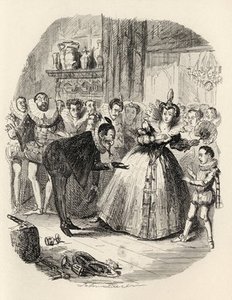 The Housewarming, From 'the Ingoldsby Legends'
38
 His Excellency Q. Fabius Offering Peace Or War
39
 The Gallant Curtius Leaping Into The Gulfs
40
 Coronation Of Henry Vii On The Field Of Battle
41
 Horatius Cocles Defending The Bridge
42
 Curius Dentatus Refusing The Magnificent Gift.
43
 A Young Gentleman And Scholar
44
 Samnite Soldier
45
 Death Of Cluilius
46
 Terence Reading His Play To Caecilius
47
 Mr Fezziwig's Ball, From 'a Christmas Carol'
48
 Discovery Of The Head Of Summanus
49
 Roman Bull And Priest Of The Period
50
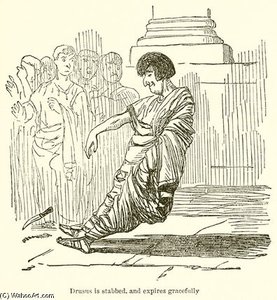 Drusus Is Stabbed, And Expires Gracefully
51
 Mucius Scaevola Before Porsenna
52
 Birth Of The Princess Elizabeth
53
 Henry Practising Previous To Challenging Francis
54
 King James Disposing Of Baronetcies
55
 Mr Punch
56
 Sport Fowl Shooting
57
 Terrific Combat Between Titus Manlius And A Gaul
58
 The Romans Walking Off With The Sabine Women
59
 A Brilliant Idea
60
 Queen Philippa Interceding With Edward Iii
61
 Mr. Jorrocks Has A Bye Day
62
 Henry Viii Meets Francis I
63
 Evening Party, Time Of Charles Ii
64
 Coronation Of Henry The Fourth
65
 Visit To The Antediluvian Reptiles
66
 An Old Gentleman Anxious That His Wife
67
 A Very Great Man
68
 The Merry Monarch
69
 Cicero Throws Up His Brief, Like A Gentleman
70
 The Too Faithful Portrait
71
 The Mother Of The Gracchi
72
 The Battle Of Bosworth, A Scene In The Great Drama
73
 Henry Viii And His Queen 'out A Maying'
74
 Queen Elizabeth And Sir Walter Raleigh
75
 New Cricketing Dresses To Protect All England
76
 Edward's Arm In The Hands Of His Medical Advisers
77
 The Black Mousquetaire, From 'the Ingoldsby
78
 That's Him - The Jackdaw, From 'the Ingoldsby
79
 A Substitute For The Seaside Is The Serpentine
80
 William Inspecting The Volunteers Previous
81
 Marriage Of Henry The Sixth And Margaret Of Anjou
82
 Take Away That Bauble Cromwell Dissolving The Long
83
 Georgy Porgy The First Going Out For A Ride
84
 A Merry Christmas And A Happy New Year
85
 The Romans Clothed By The Inhabitants Of Capua
86
 Origin Of The Order Of The Garter
87
 The Duke Of Gloucester Goes Into Mourning
88
 The Citadel Saved By The Cackling Of The Geese
89
 The Ambassadors Purchasing Aesculapius
90
 Preparatory School For Young Ladies
91
 Field Of Battle Near Barnet
92
 Cicero Denouncing Cataline
93
 Cornelia, Mother Of The Gracchi
94
 Hamilton Tighe, From 'the Ingoldsby Legends'
95
 Discovery Of Guido Fawkes By Suffolk And Mounteagle
96
 Blondel, The Minstrel, Under The Walls Of Richard's
97
 Marius In The Ruins Of Carthage
98
 In All Probability Something Of This Sort
99
 Marius Discovered In The Marshes At Minturnae
100
 Self-possession Of Fabricius, The Ambassador
The four subjects that come back most often in these originals, each with its finest example.
The Educational Question'. The Auto-da-fe, From 'the Ingoldsby Legends' and A Croquet Match, come next.
The Educational Question', The Auto-da-fe, From 'the Ingoldsby Legends', A Croquet Match,, Marriage Of The Princess Royal, The House Of Commons, Lord Palmerston, Little Jack Ingoldsby Entering The Cellar, Rebecca And Her Daughters, Romulus Consulting The Augury and Discovery Of The Laws Of Gravitation. The ranking above gives each one's year and museum.
Our catalog holds 144 works by John Leech.
Victorian era (12), Illustration (7) and 19th century (6), across the 100 works on this page.


