Pop Art
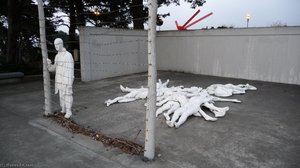
Execution (George Segal)
George Segal (1924–2000) made Execution. It belongs to the Pop Art movement.

 Preview

 Hand Made Oil Painting
 Send
 Share
 Fact sheet


 Download
 Similars
 X-Ray
 Diaporama
 Q&A

 Stats
Execution, in brief
- Title
- Execution
- Artist
- George Segal (1924–2000)
- Artist born in
- New York, United States of America
- Movement
- Pop Art
- Subject
- executions
High-resolution images of Execution

Protected by copyright: these files are for personal reference, not a licence to republish.
George Segal, Execution.
George Segal (1924–2000), Execution. Image: OriginalUniqueArt.com.
Questions on Execution, answered
What is "Execution" about?
"Execution" by George Segal depicts: executions.
Is "Execution" by George Segal in the public domain?
"Execution" by George Segal is still protected by copyright. This status governs how the image of the work may be reproduced.
Which artist is "Execution" attributed to?
The artist behind "Execution" is George Segal. The work is catalogued under George Segal's name.
What style does "Execution" belong to?
"Execution" by George Segal belongs to the Pop Art movement. This movement provides the stylistic context of the work.
Is "Execution" by George Segal in the public domain, and why?
"Execution" by George Segal is still protected by copyright. Copyright terms are measured from the artist's death, and George Segal died in 2000.
About the artist, George Segal

1924–2000, United States of America
George Segal
George Segal (1924 – 2000): The Poetic Void of Everyday Life George Segal was a pivotal figure in American Pop Art, renowned for his distinctive sculptural approach that combined meticulous craftsmanship with profound emotional resonance. Born in New York City in 1924 to Jewish immigrants from Eastern Europe, Segal’s upbringing instilled in him an appreciation for both artistic tradition and intellectual curiosity—a duality that would profoundly shape his creative vision. He pursued formal education at Stuyvesant High School, Pratt Institute, Cooper Union, and NYU, earning a teaching degree in 1949, establishing a foundation for his future career as an educator and artist. Early Career & Influences: Segal’s artistic journey began with painting, absorbing influences from Surrealism and Abstract Expressionism, particularly the work of Franz Kline and Willem de Kooning.
Also by George Segal
 The holocaust
 Woman on White Wicker Chair
 Women against black window
 Embracing couple
Essays around Execution
 High-Impact Aesthetics: The Definitive Guide to Pop Art and Street Art PostersMaster the impact of Pop and Street Art through expert technical analysis. Discover how to choose the perfect high-impact piece for your sp…
 Pop Art vs. Arte Povera: Understanding Two Different WorldsMichelangelo Pistoletto’s 1967 Venus of the Rags pits classical beauty against discarded clothing. Why did these two movements react so dif…
 Pop Art Unveiled: The Industrial Secrets of Silk Screens and Ben-Day DotsExplore the industrial artistry of Pop Art. Delve into the sophisticated history of Ben-Day dots and silk screen techniques that transforme…