Berlin Secession · 1900
Salome, Second Version (Λόβις Κορίντ, 1900)
Το έργο Salome, Second Version δημιούργησε ο/η Λόβις Κορίντ (1858–1925). Χρονολογείται στο 1900. Ανήκει στο κίνημα Berlin Secession. Είναι φτιαγμένο σε Acrylic On Canvas. Αποθηκεύεται στο Museum der bildenden Künste στο Λειψία, Γερμανία. Οι διαστάσεις είναι 127 × 148 cm.
- 1900
- Acrylic On Canvas
- 127 × 148 cm
- Museum der bildenden Künste, Λειψία

 Προεπισκόπηση σε πραγματική κλίμακα

 Ελαιογραφικό Χειροποίητο Έργο
 Αποστολή
 Κοινοποίηση
 Φύλλο πληροφοριών


 Λήψη
 Παρόμοια αντικείμενα συλλογής
 Ακτινογραφία
 Παρουσίαση
 Ερωτήσεις & Απαντήσεις

 Στατιστικά
Salome, Second Version, εν συντομία
- Τίτλος
- Salome, Second Version
- Καλλιτέχνης
- Λόβις Κορίντ (1858–1925)
- Γεννημένος/η το
- Γκβαρντέισκ, Ρωσία
- Ημερομηνία
- 1900
- Μέσο
- Acrylic On Canvas
- Διαστάσεις
- 127 × 148 cm
- Πού εκτίθεται
- Museum der bildenden Künste, Λειψία, Γερμανία
- Κίνηση
- Berlin Secession
- Εποχή
- 19th Century
- Θέμα
- salome, herodias, dance, tragedy, execution, biblical
Τι απεικονίζει το Salome, Second Version;
A Descent into Shadow and Desire: Lovis Corinth’s ‘Salome, Second Version’
Lovis Corinth's “Salome, Second Version,” painted in 1900, isn’t merely a depiction of the biblical tale; it’s a visceral exploration of power, betrayal, and the unsettling allure of darkness. This arresting canvas, currently residing within the Museum der Bildenden Künste in Leipzig, immediately commands attention with its dramatic composition and intensely expressive palette. Corinth, a pivotal figure bridging Impressionism and Expressionism, masterfully eschews traditional romanticism, instead presenting a Salome far removed from the idealized figures of earlier portrayals. Instead of a passive object of desire, she emerges as a complex, almost defiant presence – a woman caught in the throes of her own ambition and haunted by the consequences of her actions.
The painting’s genesis lies within the turbulent artistic landscape of early 20th-century Berlin. Corinth, having moved there from Munich, found himself at the heart of a vibrant, often contentious, art scene. The Secession group, with its emphasis on freedom and innovation, provided a fertile ground for his evolving style. “Salome” reflects this period’s fascination with psychological depth and emotional intensity – a departure from the polished surfaces of academic painting. Corinth deliberately chose to revisit the legend, not as a straightforward narrative illustration, but as an opportunity to delve into the character's inner turmoil and the moral ambiguity at the heart of the story.
The Dance and its Discontents: Technique and Composition
Corinth’s technique is immediately striking. He employs a bold, almost frenetic brushstroke – thick impasto applied with visible energy – that imbues the canvas with a sense of movement and urgency. The colors are rich and saturated, dominated by deep reds, purples, and blacks, creating an atmosphere of dramatic intensity. The composition itself is carefully constructed to draw the viewer into the scene. Salome, positioned centrally, dominates the foreground, her body tilted forward in a pose that suggests both vulnerability and calculated seduction. The figures surrounding her – the servant bearing the head, the watchful woman with the fan, and the shadowy men – are rendered with varying degrees of detail, contributing to the painting’s overall sense of unease and disorientation.
- Brushwork: Thick, expressive strokes create a dynamic and unsettling effect.
- Color Palette: Dominated by deep reds, purples, and blacks, evoking drama and shadow.
- Composition: Salome is centrally positioned, drawing the viewer's eye and emphasizing her role as the focal point of the scene.
Symbolism and Interpretation: A Portrait of Moral Ambiguity
Beyond the literal depiction of the biblical story, “Salome” is laden with symbolic meaning. The dance itself represents a dangerous allure – a seductive invitation to transgression. The severed head on the platter isn’t simply a gruesome trophy; it's a potent symbol of ambition and the destructive consequences of unchecked desire. Corinth deliberately avoids offering a clear moral judgment, instead presenting a complex portrait of a woman driven by both her own desires and the manipulative influence of her mother. The inclusion of the fan-bearing woman, often interpreted as Herodias, adds another layer of intrigue, suggesting a conspiracy at play – a deliberate orchestration of events that leads to John the Baptist’s demise.
Furthermore, the painting can be viewed through the lens of the burgeoning feminist movement of the time. Salome's defiant gaze and her unapologetic embrace of her sexuality challenged traditional notions of female virtue and presented a powerful image of female agency – albeit one ultimately consumed by tragedy. Corinth’s decision to portray her as a figure of both beauty and menace reflects the complex and often contradictory attitudes towards women in early 20th-century society.
Emotional Resonance: A Timeless Exploration of Human Darkness
“Salome, Second Version” continues to resonate with viewers today because it taps into fundamental human emotions – desire, betrayal, guilt, and the haunting awareness of our own mortality. Corinth’s masterful use of color, composition, and symbolism creates a painting that is both visually arresting and psychologically profound. It's not a comfortable image; it confronts us with the darker aspects of human nature and reminds us that even in moments of apparent beauty and pleasure, there can be a lurking sense of unease and impending doom. Reproductions of this powerful work offer a glimpse into Corinth’s artistic genius and provide an opportunity to contemplate the timeless themes explored within its shadowed depths.
Σε ποιο μουσείο βρίσκεται το Salome, Second Version;
Museum der bildenden Künste
Λειψία, Γερμανία
Ένα Κληροτόπο Σφυρηλατημένο στον Χρόνο: Η Ψυχή της Καλλιτεχνικής Καρδιάς της Λειψίας Στο ζωντανό πολιτιστικό τοπίο της Σαξονίας, στη Γερμανία, δεσπόζει ένας θεσμός που αποτελεί κάτι πολύ περισσότερο από μια απλή αποθήκη αριστουργημάτων· είναι μια ζωντανή μαρτυρία της ανθρώπινης ανθεκτικότητας και της διαχρονικής δύναμης της δημιουργικότητας. Το Museum der bildenden Künste (MdbK) στη Λειψία περιλαμβάνει επτά αιώνες καλλιτεχνικής προσπάθειας, υφαίνοντας μια αφήγηση που εκτείνεται από τα τέλη του Μεσαίωνα έως την αιχμή της σύγχρονης τέχνης. Ιδρυθεί ως ο Σύλλογος Τέχνης της Λειψίας το 1837, το ταξίδι του μουσείου ήταν μια πορεία βαθιάς μεταμόρφωσης, σημαδεμένη από τις σκιές της καταστροφής και τη λάμψη της αναγέννησης.


Εικόνες υψηλής ανάλυσης του Salome, Second Version
Δημόσιος τομέας: ο καλλιτέχνης απεβίωσε το 1925.
Λόβις Κορίντ, Salome, Second Version (1900), Museum der bildenden Künste. Δημόσιο περιουσιακό δικαίωμα
Ερωτήσεις για το Salome, Second Version, απαντημένες
Πού εκτίθεται σήμερα το "Salome, Second Version" του Λόβις Κορίντ;
Το πρωτότυπο έργο "Salome, Second Version" εκτίθεται στο Museum der bildenden Künste, Λειψία, Γερμανία.
Σε ποια χρονιά δημιουργήθηκε το "Salome, Second Version" του Λόβις Κορίντ;
Το έργο "Salome, Second Version" του Λόβις Κορίντ δημιουργήθηκε το 1900.
Με τι τεχνική έχει δημιουργηθεί το "Salome, Second Version";
Ο/Η Λόβις Κορίντ χρησιμοποίησε την τεχνική του/της Acrylic On Canvas για το έργο "Salome, Second Version". Η τεχνική αυτή ορίζει τη υλική φύση του πρωτότυπου έργου.
Ποια είναι οι διαστάσεις του πρωτότυπου "Salome, Second Version";
Οι διαστάσεις του πρωτότυπου έργου "Salome, Second Version" του Λόβις Κορίντ είναι 127 x 148 cm.
Τι απεικονίζει το "Salome, Second Version" του Λόβις Κορίντ;
Τα θέματα που περιλαμβάνονται στο "Salome, Second Version" του Λόβις Κορίντ περιλαμβάνουν το/τα salome, herodias, dance, tragedy, execution, biblical, figures. Μαζί, συνοψίζουν το περιεχόμενο του έργου τέχνης.
Το έργο "Salome, Second Version" ανήκει στο δημόσιο περιουσιακό αγαθό;
Το έργο "Salome, Second Version" του Λόβις Κορίντ ανήκει στο στην ελεύθερη χρήση - τα δικαιώματα αυτορούς δικαίωσης έχουν λήξει. Η κατάσταση αυτή διέπει τον τρόπο με τον οποίο μπορεί να αναπαραχθεί η εικόνα του έργου.
Ποιος είναι ο καλλιτέχνης πίσω από το "Salome, Second Version";
Το έργο "Salome, Second Version" αποδίδεται στον/στην Λόβις Κορίντ.
Σε ποιο καλλιτεχνικό ρεύμα ανήκει το "Salome, Second Version" του Λόβις Κορίντ;
Το καλλιτεχνικό ρεύμα που συνδέεται με το "Salome, Second Version" του Λόβις Κορίντ είναι το Berlin Secession. Αυτή η ταξινόμηση τοποθετεί το έργο ανάμεσα σε σχετικούς καλλιτέχνες και έργα τέχνης.
Ποια εποχή της καριέρας του/της Λόβις Κορίντ αντιπροσωπεύει το έργο "Salome, Second Version";
Στο πλαίσιο της καριέρας του/της Λόβις Κορίντ, το έργο "Salome, Second Version" ανήκει στην περίοδο Berlin Secession Era. Αυτή η φάση διευκολύνει τη σύγκρισή του με άλλα έργα του/της καλλιτέχνη/της.
Σχετικά με τον καλλιτέχνη, Λόβις Κορίντ

1858–1925, Ρωσία
Λόβις Κορίντ
A Life Forged in Paint: The World of Lovis Corinth Lovis Corinth, γεννημένος Franz Heinrich Louis στις 21 Ιουλίου 1858 στην επαρχία του Πρίντσιπετς Έστρει (σημερινά Γουάρντεϊσκ, Ρωσία), ήταν μια φιγούρα που ενσάρκωνε τη δραματική μετάβαση από τον 19ο στον αρχαίο 20ό αιώνα. Το ταξίδι του δεν ήταν ένα άμεσο κύροσμο, αλλά μια σταδιακή εξέλιξη που τροφοδοτήθηκε από συνεχή μελέτη, ποικίλες επιρροές και, τελικά, προσωπική τραγωδία. Οι πρώτες ρίζες του Corinth βρίσκονταν στις αγροτικές τοποθεσίες της γενέτειράς του, στο Ταπιάου, όπου ο πατέρας του εργαζόταν ως τσαγγάρης. Αυτή η πρώιμη έκθεση στη σωματική εργασία και την άγρια ομορφιά της φύσης θα διαχέοταν υποσυνείδητα στις μεταγενέστερες δουλειές του, ακόμη και μέσα από πιο εξελιγμένες στιλιστικές εξερευνήσεις.
Εργασίες του Λόβις Κορίντ
 Στην Σφαγείο1893
 Βιλελμίνη με Παλιό1915
 Portrait of the Painter Paul Eugène Gorge1908
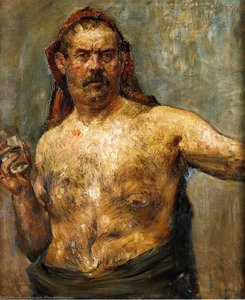 Self Portrait with a Glass1907
Μελέτες για το Salome, Second Version
 Lovis Corinth: Bridging Impressionism & Expressionism – A Study of Artistic EvolutionExplore the fascinating artistic journey of Lovis Corinth, a pivotal figure bridging Impressionism & Expressionism. Discover his evolution,…
 The Soul of the Brushstroke: Why Textured Impasto Defines the Magic of Impressionist MasterpiecesDiscover the tactile magic of Impressionism. Explore how the impasto technique breathes life into masterpieces through texture and light. E…
 Unveiling the Dreamer: The 25 Most Iconic Masterpieces by Gustave MoreauStep into the dreamlike world of Gustave Moreau. Explore 25 iconic Symbolist masterpieces, from mythic legends to opulent textures. Find in…