Neoclassicism · 1809
George IV (Τζον Σινγκλότερ Κόπλει, 1809)
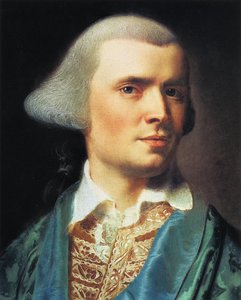
Ο/Η Τζον Σινγκλότερ Κόπλει (1738–1815) δημιούργησε το George IV. Χρονολογείται στο 1809. Ανήκει στο κίνημα Neoclassicism. Είναι φτιαγμένο σε Oil On Canvas. Αποθηκεύεται στο Μουσείο Τέχνης Βοστώνης στο Μπόσττον, Ηνωμένες Πολιτείες της Αμερικής. Οι διαστάσεις είναι 372 × 318 cm.
- 1809
- Oil On Canvas
- 372 × 318 cm
- Μουσείο Τέχνης Βοστώνης, Μπόσττον

 Προεπισκόπηση σε πραγματική κλίμακα

 Ελαιογραφικό Χειροποίητο Έργο
 Αποστολή
 Κοινοποίηση
 Πληροφοριακό φύλλο


 Λήψη
 Παρόμοια αντικείμενα συλλογής
 Ακτινογραφία
 Παρουσίαση
 Ερωτήσεις & Απαντήσεις

 Στατιστικά
George IV, εν συντομία
- Τίτλος
- George IV
- Καλλιτέχνης
- Τζον Σινγκλότερ Κόπλει (1738–1815)
- Γεννημένος/η το
- Βοστώνη, Ηνωμένες Πολιτείες Αμερικής
- Ημερομηνία
- 1809
- Μέσο
- Oil On Canvas
- Διαστάσεις
- 372 × 318 cm
- Πού εκτίθεται
- Μουσείο Τέχνης Βοστώνης, Μπόσττον, Ηνωμένες Πολιτείες της Αμερικής
- Κίνηση
- Neoclassicism
- Εποχή
- Early Modern
- Θέμα
- portrait, royalty, military, george iv, equestrian, grandeur
Τι απεικονίζει το George IV;
George IV by John Singleton Copley: A Royal Portrait in Neoclassicism
John Singleton Copley's "George IV," painted in 1809, stands as a monumental example of Neoclassical portraiture. This oil on canvas artwork, measuring an impressive 372 x 318 cm, captures the essence of King George IV during a period of significant political and social change in Britain. The painting is not merely a likeness; it's a carefully constructed representation of royal power, military authority, and aristocratic grandeur.
The Artist and His Style
John Singleton Copley (1738-1815) was a pivotal figure in Anglo-American art. Born in Boston, he developed his skills largely through self-study and observation. His style is characterized by meticulous attention to detail, realism, and a strong sense of composition. Copley's ability to capture the likeness and character of his subjects, combined with his mastery of light and shadow, resulted in portraits that were both technically impressive and psychologically insightful. In "George IV," these qualities are evident in the king’s commanding presence and the intricate rendering of his military uniform.
Composition and Technique
The painting's composition is vertically oriented, emphasizing the King's stature and authority. George IV is depicted on horseback, rearing slightly to convey a sense of dynamism and power. He is clad in a striking military uniform, rich with detail and color, signifying his role as commander-in-chief. Below him, a group of soldiers are portrayed, creating a visual hierarchy that reinforces the king's position at the apex of society. The background features a dramatic sky filled with billowing clouds and trees, adding depth and atmosphere to the scene. Copley’s use of oil paints allows for a remarkable level of detail and texture; visible brushstrokes contribute to a somewhat rough surface quality, enhancing the painting's realism.
Historical Context and Symbolism
Created in 1809, "George IV" reflects the political climate of the Regency era. George IV was Prince Regent at the time, ruling as his father, King George III, suffered from periods of mental illness. The painting served to project an image of strength and stability during a period of considerable social and political upheaval. Symbolically, the king's military attire represents Britain’s power and its role on the world stage. The rearing horse is a classical motif signifying energy and control. The inclusion of soldiers underscores George IV’s authority as commander of the armed forces.
Emotional Impact and Legacy
"George IV" evokes a sense of awe and respect for the monarchy. Copley's skillful rendering of the king's features conveys both confidence and a certain aloofness, reflecting his complex personality. The painting’s grandeur and scale command attention, making it a powerful statement of royal authority. Today, "George IV" remains an important historical document and a testament to Copley's artistic skill, offering viewers a glimpse into the world of 19th-century British royalty.
Σε ποιο μουσείο βρίσκεται το George IV;
Μουσείο Τέχνης Βοστώνης
Μπόσττον, Ηνωμένες Πολιτείες της Αμερικής
Ένα Κληρονομημένο Ταξίδι στην Τέχνη: Το Μουσείο Τέχνης του Βοσφόρτου Βυθιστείτε σε έναν κόσμο αμέτρητων ιστοριών, χρωμάτων και συναισθημάτων στο Μουσείο Τέχνης του Βοσφόρτου – ένα θησαυροφυλάκιο που δεν είναι απλώς μια συλλογή έργων τέχνης, αλλά μια ζωντανή μαρτυρία της ανθρώπινης δημιουργικότητας που εκτείνεται σε χιλιάδες χρόνια. Από τις ταπεινές του ρίζες στο Αθηνάεου του Βοσφόρτου το 1870, μέχρι την εντυπωσιακή νεοκλασική του κατοικία στην οδό Χούντινγκτον, το μουσείο έχει διατηρήσει μια αδιάκοπη δέσμευση για την προώθηση της καλλιτεχνικής έκφρασης και την αναβίωση της ομορφιάς. Η ίδια η κτίση – μια στολισμένη υπενθύμιση των κλασικών ιδεών, όπως σχεδίασε ο αρχιτέκτονας Γουάι Lowell – αποτελεί μια άμεση δήλωση φιλοδοξίας, με την μάρμαρη πρόσοψη να εκπέμπει σταθερότητα και κομψότητα, ενώ η κυκλώπια αίθουσα, διακοσμημένη με εντυπωσιακούς ζωγραφικούς θόλους του Τζον Σάιντσερ Σαρτζέντ, προσφέρει μια εκπληκτική πύλη σε έναν κόσμο καλλιτεχνικής θαυμαστίας.


Εικόνες υψηλής ανάλυσης του George IV
Δημόσιος τομέας: ο καλλιτέχνης απεβίωσε το 1815.
Τζον Σινγκλότερ Κόπλει, George IV (1809), Μουσείο Τέχνης Βοστώνης. Δημόσιο περιουσιακό δικαίωμα
Ερωτήσεις για το George IV, απαντημένες
Σε ποιο μουσείο βρίσκεται το πρωτότυπο έργο "George IV";
Το πρωτότυπο έργο "George IV" εκτίθεται στο Μουσείο Τέχνης Βοστώνης, Μπόσττον, Ηνωμένες Πολιτείες της Αμερικής.
Σε ποια χρονιά δημιουργήθηκε το "George IV" του Τζον Σινγκλότερ Κόπλει;
Το έργο "George IV" του Τζον Σινγκλότερ Κόπλει δημιουργήθηκε το 1809.
Με ποιο υλικό έχει εκτελεστεί το έργο "George IV" του Τζον Σινγκλότερ Κόπλει;
Το έργο "George IV" εκτελέστηκε με τη χρήση του/της Oil On Canvas.
Ποια είναι οι πραγματικές διαστάσεις του έργου "George IV" του Τζον Σινγκλότερ Κόπλει;
Οι καταγεγραμμένες διαστάσεις του έργου "George IV" του Τζον Σινγκλότερ Κόπλει είναι 372 x 318 cm. Αναπαραγωγές μπορούν να παραγγηθούν σε άλλες διαστάσεις, διατηρώντας τις ίδιες αναλογίες.
Τι απεικονίζει το "George IV" του Τζον Σινγκλότερ Κόπλει;
Το έργο "George IV" του Τζον Σινγκλότερ Κόπλει απεικονίζει: portrait, royalty, military, george iv, equestrian, grandeur, neoclassicism.
Το έργο "George IV" ανήκει στο δημόσιο περιουσιακό αγαθό;
Το έργο "George IV" του Τζον Σινγκλότερ Κόπλει ανήκει στο δημόσιο κτήμα - τα δικαιώματα αυτορության έχουν λήξει. Η κατάσταση αυτή διέπει τον τρόπο με τον οποίο μπορεί να αναπαραχθεί η εικόνα του έργου.
Ποιος δημιούργησε το "George IV";
Το έργο "George IV" αποδίδεται στον/στην Τζον Σινγκλότερ Κόπλει.
Σε ποιο καλλιτεχνικό ρεύμα ανήκει το "George IV" του Τζον Σινγκλότερ Κόπλει;
Το έργο "George IV" του Τζον Σινγκλότερ Κόπλει ανήκει στο καλλιτεχνικό κίνημα Neoclassicism. Αυτό το κίνημα παρέχει το στυλιστικό πλαίσιο του έργου.
Ποια φάση της καριέρας του Τζον Σινγκλότερ Κόπλει αντιπροσωπεύει το "George IV";
Το "George IV" αντιπροσωπεύει την περίοδο Mature Period του Τζον Σινγκλότερ Κόπλει.
Σχετικά με τον καλλιτέχνη, Τζον Σινγκλότερ Κόπλει
1738–1815, Ηνωμένες Πολιτείες Αμερικής
Τζον Σινγκλότερ Κόπλει
Early Life, Family and Training John Singleton Copley emerged from the commercial grit of colonial Boston, born in 1738. His upbringing was rooted in the maritime trade of Long Wharf, where his mother, Mary Singleton Copley, managed a shop. His father, Richard Copley, worked as a tobacco merchant. This environment provided more than just a social backdrop; it offered a direct view of the material textures and social hierarchies that would later define his visual language.
Σχετικά με τον Τζον Σινγκλότερ Κόπλει Σημαντικά έργα του Τζον Σινγκλότερ Κόπλει
Εργασίες του Τζον Σινγκλότερ Κόπλει
 Άντον και ο Χταμιάνος1778
 Brook Watson and the Shark1778
 Paul Revere1768
 The Colapse of the Earl of Chatham in the House of Lords (also known as The Death of the Earl of Chatham)1779
Μελέτες γύρω από το George IV
 American neoclassical paintersAmerican Neoclassical painters like Gilbert Stuart, John Singleton Copley, and Benjamin West. Shop museum-quality art reproductions on Orig…
 Neo-Expressionism vs. Conceptual Art: The Battle of Feeling and IdeaMaster the difference between Neo-Expressionism and Conceptual Art. Explore the clash of emotion and idea now.
 British Neoclassical paintersBritish Neoclassical painters like Joshua Reynolds, George Romney, and Thomas Lawrence define an era. Find museum-quality reproductions on …