Romanticism · 1817
Flatford Mill (Τζον Κόνσταμπλ, 1817)
Ο/Η Τζον Κόνσταμπλ (1776–1837) δημιούργησε το Flatford Mill. Χρονολογείται στο 1817. Ανήκει στο κίνημα Romanticism. Είναι φτιαγμένο σε Oil On Canvas. Οι διαστάσεις είναι 50 × 60 cm.
- 1817
- Oil On Canvas
- 50 × 60 cm

 Προεπισκόπηση σε πραγματική κλίμακα

 Ελαιογραφικό Χειροποίητο Έργο
 Αποστολή
 Κοινοποίηση
 Πληροφοριακό φύλλο


 Λήψη
 Παρόμοια αντικείμενα συλλογής
 Ακτινογραφία
 Παρουσίαση
 Ερωτήσεις & Απαντήσεις

 Στατιστικά
Flatford Mill, εν συντομία
- Τίτλος
- Flatford Mill
- Καλλιτέχνης
- Τζον Κόνσταμπλ (1776–1837)
- Γεννημένος/η το
- Ηστ Μπέργκχολτ, Ηνωμένο Βασίλειο
- Ημερομηνία
- 1817
- Μέσο
- Oil On Canvas
- Διαστάσεις
- 50 × 60 cm
- Κίνηση
- Romanticism
- Εποχή
- 19th Century
- Θέμα
- landscape, rural england, mill scene, river stour, pastoralism, british art
Τι απεικονίζει το Flatford Mill;
Identification of Flatford Mill by John Constable
Flatford Mill is an 1817 landscape painting by the British artist John Constable. This work offers a view of the mill located in East Bergholt on the River Stour. It is also known by the subtitle Scene on a Navigable River. The scene captures a specific moment in the rural landscape of the Stour Valley, focusing on the quiet activity surrounding the water's edge.
The painting was first presented to the public when it was displayed at the Royal Academy's Summer Exhibition at Somerset House in 1817. At that time, it established the artist's interest in the specific topography of his home region. The composition centers on the mill and the river, providing a detailed look at the relationship between the water and the surrounding land.
The Composition and Visual Elements
The composition pulls you into a world of lush greens and reflective waters. At the heart of the scene, the calm, reflective waters of the river act as a mirror to the lush, verdant banks. This interplay of light and liquid creates a sense of depth that draws the eye toward the center of the work. A moored boat and distant figures provide a gentle human connection to the vastness of the Suffolk countryside, grounding the landscape in a quiet, lived-in reality.
Several individuals stand near the water's edge, their presence adding a subtle layer of activity to the peaceful scene. On the left side of the image, a horse is positioned near the bank, its form integrated into the pastoral setting. Two boats are visible in the water; one is situated towards the center, while another rests slightly to the right. These elements, combined with the rhythmic presence of the river, establish a sense of harmony within the rural environment.
Technique and Artistic Materials
In this oil on canvas, one can sense the methodical preparation that preceded the final application of paint. Before committing to the large-scale composition, the artist relied on a foundation of oil sketches, graphite drawings, and watercolour studies. This disciplined approach allowed for a careful arrangement of the landscape's complexities. The resulting work possesses a physical weight, achieved through the use of thick impasto to build up texture across the surface. This tactile quality gives the river and the earth a sense of movement and life.
There is a particular luminosity in the way the light interacts with the water and the sky. This effect is achieved through the painstaking layering of thin glazes of paint. Such a technique allows light to penetrate the surface, creating an illusion of shimmering luminescence that mimics the shifting atmosphere of the Stour Valley. It is a quiet, deliberate mastery of light and shadow.
Historical Ownership and Collections
The provenance of this work is deeply connected to the artist's own legacy. It was eventually included as part of the Constable Bequest in 1888, ensuring its place within the public consciousness. This transition from private hands to a permanent collection secured its survival for future generations to study.
Today, the painting is held within the collection of Tate Britain. It is also part of the holdings at the Tate Gallery in London. These institutions maintain the work as a significant part of their English landscape holdings. Additionally, the National Trust holds a connection to the work through its stewardship of the surrounding landscapes and properties.
Related Works by John Constable
To understand the evolution of this artist, one might look toward his earlier explorations of the Stour Valley. In 1815, he produced Boat-building near Flatford Mill, a work that captures the rhythmic sounds of craftsmanship against a quiet river setting. This piece reflects his deep connection to the local landscape and the dignity of rural labor. It is a quiet study of the textures found in the Suffolk countryside.
His later compositions often expanded in scale and ambition. He moved toward larger canvases, such as The Hay Wain from 1821, which remains one of his most recognized depictions of the river. Other significant works include The Cornfield (1826) and The Lock (1824), both of which continue his investigation into the interplay of light and water. He also turned his attention to more architectural subjects, such as Salisbury Cathedral from the Meadows in 1831.
- Boat-building near Flatford Mill (1815)
- The Hay Wain (1821)
- The Lock (1824)
- The Cornfield (1826)
- Salisbury Cathedral from the Meadows (1831)
Where to See This Masterpiece Today
If you wish to experience the subtle shifts of light and the texture of the River Stour in person, you will find this work held within the collections of the Tate Gallery in London. It is part of the permanent collection at Tate Britain, where the painting is kept for public viewing. The work remains a significant part of the Tate Britain collection, allowing visitors to observe the specific impasto and the atmospheric perspective that Constable achieved in 1817.
The painting is situated in London, United Kingdom. It is housed within the Tate Gallery, London, providing a quiet space to study the relationship between the water and the sky. Being part of the Tate Britain collection, it is accessible to those who appreciate the nuances of the Romantic tradition in a museum setting.
Εικόνες υψηλής ανάλυσης του Flatford Mill

Δημόσιος τομέας: ο καλλιτέχνης απεβίωσε το 1837.
Άλλες διαστάσεις, καρέττες και αναφορά →Τζον Κόνσταμπλ, Flatford Mill (1817). Δημόσιο περιουσιακό δικαίωμα
Ερωτήσεις για το Flatford Mill, απαντημένες
Σε ποια χρονιά δημιουργήθηκε το "Flatford Mill" του Τζον Κόνσταμπλ;
Το έργο "Flatford Mill" χρονολογείται από το 1817. Η ημερομηνία αυτό το έργο το τοποθετεί μέσα στην καριέρα του/της Τζον Κόνσταμπλ και την εποχή του/της.
Με ποιο υλικό έχει εκτελεστεί το έργο "Flatford Mill" του Τζον Κόνσταμπλ;
Η τεχνική του έργου "Flatford Mill" του Τζον Κόνσταμπλ είναι το Oil On Canvas. Οι αναπαραγωγές στοχεύουν στην πιστή απόδοση της εμφάνισης αυτής της τεχνικής.
Ποια είναι οι διαστάσεις του πρωτότυπου "Flatford Mill";
Το έργο "Flatford Mill" έχει διαστάσεις 50 x 60 cm στην αρχική του μορφή. Οι αρχικές διαστάσεις αποτελούν μια χρήσιμη αναφορά κατά την επιλογή μεγέθους για μια αναπαραγωγή.
Περί τι αφορά το "Flatford Mill";
Τα θέματα του "Flatford Mill" είναι τα landscape, rural england, mill scene, river stour, pastoralism, british art, constables vision.
Το έργο "Flatford Mill" του Τζον Κόνσταμπλ ανήκει στο δημόσιο περιουσιακό αγαθό;
Το έργο "Flatford Mill" του Τζον Κόνσταμπλ ανήκει στο δημόσιο κτήμα - τα δικαιώματα αυτορության έχουν λήξει. Η κατάσταση αυτή διέπει τον τρόπο με τον οποίο μπορεί να αναπαραχθεί η εικόνα του έργου.
Ποιον καλλιτέχνη αποδίδεται το "Flatford Mill";
Ο καλλιτέχνης πίσω από το "Flatford Mill" είναι ο/η Τζον Κόνσταμπλ. Το έργο καταχωρείται υπό το όνομα του/της Τζον Κόνσταμπλ.
Σε ποιο καλλιτεχνικό ρεύμα ανήκει το "Flatford Mill" του Τζον Κόνσταμπλ;
Το έργο "Flatford Mill" του Τζον Κόνσταμπλ ανήκει στο καλλιτεχνικό κίνημα Romanticism. Αυτό το κίνημα παρέχει το στυλιστικό πλαίσιο του έργου.
Σε ποια περίοδο της καριέρας του/της Τζον Κόνσταμπλ ανήκει το "Flatford Mill";
Το έργο "Flatford Mill" ανήκει στην περίοδο Early Romanticism της καριέρας του Τζον Κόνσταμπλ. Αυτή η ταξινόμηση συνδέει το έργο με την εξέλιξη του καλλιτέχνη.
Πόσο είχε ο/η Τζον Κόνσταμπλ όταν δημιουργήθηκε το "Flatford Mill";
Όταν δημιουργήθηκε το "Flatford Mill" το 1817, ο/η Τζον Κόνσταμπλ - γεννημένος/η το 1776 - ήταν μόλις 41 ετών.
Σχετικά με τον καλλιτέχνη, Τζον Κόνσταμπλ
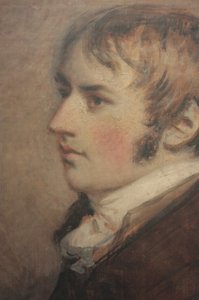
1776–1837, Ηνωμένο Βασίλειο
Τζον Κόνσταμπλ
A Life Rooted in the English Landscape John Constable, γεννημένος το 1776 στην ειδυλλιακή αγροτική κοινότητα του East Bergholt, δεν ήταν απλώς ένας ζωγράφος τοπίων – ήταν ένας ποιητής της γης, μεταφράζοντας τις λεπτές διακυμάνσεις και την ανθεκτική ομορφιά της με απεριόριστη συναισθηματική βάθος. Ο πατέρας του, ένας ευνοϊκός εμπότης σιταγών που κατείχε τόσο το Dedham Vale όσο και τις φαρδιές κατά μήκος του ποταμού Stour, δεν παρείχε μόνο οικονομική ασφάλεια αλλά και το ίδιο το θέμα ζωής που θα ορίζει την καλλιτεχνική του ζωή. Αυτή η πρώιμη εμβάπτιση στον αγροτικό κόσμο – ο αργός ρυθμός της γεωργικής ζωής, το διαρκώς μεταβαλλόμενο φως στα πεδίδια και τα νερά, οι λεπτομέρειες της φύσης – έχουν χαραχτεί αιώνια στην ευαισθησία του. Ενώ αρχικά ήταν προορισμένος να ακολουθήσει τον πατέρα του στα εμπορικά, μια αναδυόμενη πάθηση για την τέχνη, που καλλιεργήθηκε από τοπικούς χορηγούς όπως ο George Beaumont, ο οποίος τον έφερε σε επαφή με τα έργα του Claude Lorrain, κατεύθυνε τελικά τον ίδιο σε διαφορετικό δρόμο.
Σχετικά με τον Τζον Κόνσταμπλ Σημαντικά έργα του Τζον Κόνσταμπλ
Εργασίες του Τζον Κόνσταμπλ
 Το Χαρούμενο Φθινόπωρο1821
 Θέα του Καθεδρικού της Σάλσμμμπουρι από τους Κήπους του Επισκόπου1823
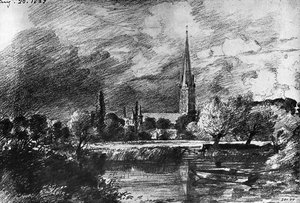 Καθεδρικός Ναός Σάλιςμπυ του Τζον Κόνσταντς
 Το Άγχανο (λεπτομέρεια)1821

Μελέτες γύρω από το Flatford Mill
 British artworks of the 1810sBritish artworks from the 1810s featuring the sublime landscapes of J. M. W. Turner and John Constable. View the full collection at Origina…
 25 Must-See Masterpieces at the Yale Center for British ArtExplore 25 iconic works from Turner to Hogarth at Yale Center for British Art. Discover every masterpiece on OriginalUniqueArt.com.
 Mastering the English Landscape: The Top 25 Artworks by John ConstableImmerse yourself in the soul of the English countryside with our curated guide to John Constable's top 25 masterpieces. Explore the emotive…