Romantic Landscape Painting · 1813
East Bergholt (Τζον Κόνσταμπλ, 1813)
Ο/Η Τζον Κόνσταμπλ (1776–1837) δημιούργησε το East Bergholt. Χρονολογείται στο 1813. Ανήκει στο κίνημα Romantic Landscape Painting. Είναι φτιαγμένο σε Acrylic On Canvas. Αποθηκεύεται στο Yale Center for British Art στο New Haven, Ηνωμένες Πολιτείες της Αμερικής.
- 1813
- Acrylic On Canvas
- Yale Center for British Art, New Haven

 Προεπισκόπηση σε πραγματική κλίμακα

 Ελαιογραφικό Χειροποίητο Έργο
 Αποστολή
 Κοινοποίηση
 Πληροφοριακό φύλλο


 Λήψη
 Παρόμοια αντικείμενα συλλογής
 Ακτινογραφία
 Παρουσίαση
 Ερωτήσεις & Απαντήσεις

 Στατιστικά
East Bergholt, εν συντομία
- Τίτλος
- East Bergholt
- Καλλιτέχνης
- Τζον Κόνσταμπλ (1776–1837)
- Γεννημένος/η το
- Ηστ Μπέργκχολτ, Ηνωμένο Βασίλειο
- Ημερομηνία
- 1813
- Μέσο
- Acrylic On Canvas
- Πού εκτίθεται
- Yale Center for British Art, New Haven, Ηνωμένες Πολιτείες της Αμερικής
- Θέμα
- suffolk countryside, rural england, constable, landscape, pastoral, light and shadow
Τι απεικονίζει το East Bergholt;
A Breath of Suffolk: John Constable’s ‘East Bergholt’
John Constable's “East Bergholt,” painted in 1813, isn’t simply a depiction of a rural English landscape; it’s a profound meditation on light, atmosphere, and the very essence of place. Born in East Bergholt itself – a fact that imbued his work with an unparalleled intimacy – Constable captured not just what he saw, but how he *felt* about the world around him. The painting unfolds as a quiet drama, a tableau vivant of everyday life set against the backdrop of Dedham Vale, the valley that would become inextricably linked to his artistic legacy. The muted palette, dominated by shades of grey and green, immediately establishes a mood of contemplative melancholy – a subtle tension between beauty and something almost melancholic. This isn’t a vibrant celebration of pastoral bliss; rather, it's an exploration of the land’s inherent complexity, its capacity for both serenity and shadowed introspection.
The Language of Light: Constable’s Revolutionary Technique
Constable was a revolutionary figure in landscape painting. He rejected the idealized, polished surfaces favored by his predecessors, opting instead for a technique that prioritized direct observation and the fleeting effects of light. “East Bergholt” exemplifies this perfectly. Notice how he employs broken brushstrokes – tiny, almost hesitant marks – to build up layers of color and texture. This method, known as ‘optical mixing,’ allowed him to capture the subtle shifts in illumination across the fields and trees with astonishing accuracy. The sky isn’t a uniform blue; it's a complex interplay of greys, whites, and hints of purple, reflecting the diffused light of an overcast day. He meticulously rendered the way sunlight filters through the branches, creating dappled patterns on the grass – a technique that would later become central to his style. This commitment to capturing the *truth* of natural light was groundbreaking and profoundly influenced generations of artists.
Figures Within the Landscape: Symbolism and Human Connection
The inclusion of figures within the vast landscape is crucial to understanding the painting’s deeper meaning. These aren't merely decorative elements; they are integral to Constable’s exploration of humanity’s relationship with nature. The group gathered in the field, engaged in some unspecified activity – perhaps farming or simply enjoying a moment together – represents a connection to the land and its rhythms. They are small, almost anonymous, yet their presence anchors the scene, reminding us that this is not just an abstract representation of nature but a lived experience. The horse grazing peacefully suggests a harmony between man and beast, further reinforcing the theme of rural life and its inherent beauty. The placement of these figures subtly directs our gaze across the landscape, inviting us to contemplate the relationship between human activity and the natural world.
A Window into a Time: Historical Context and Constable’s Vision
“East Bergholt” was painted during a period of significant social and artistic change in England. The early 19th century witnessed a growing interest in the English countryside, fueled by Romanticism's emphasis on emotion, imagination, and the sublime. Constable’s work aligns perfectly with this movement, capturing not just the physical beauty of the landscape but also its emotional resonance. He was deeply influenced by Claude Lorrain, whose idealized landscapes provided a foundation for his own explorations. However, Constable moved beyond Lorrain's static perfection, imbuing his paintings with a sense of immediacy and psychological depth. “East Bergholt” is more than just a record of a place; it’s a testament to Constable’s unique vision – a vision rooted in the soil of East Bergholt and imbued with a profound understanding of the English landscape.
OriginalUniqueArt offers exquisite, hand-painted reproductions of “East Bergholt,” allowing you to bring this iconic work into your home or office. Each reproduction is created using traditional techniques and archival quality materials, ensuring that it will retain its beauty and vibrancy for generations to come. Explore our collection today and experience the magic of Constable’s Suffolk.
Σε ποιο μουσείο βρίσκεται το East Bergholt;
Yale Center for British Art
New Haven, Ηνωμένες Πολιτείες της Αμερικής
The History of Yale Center for British Art Established in 1966, the Yale Center for British Art occupies a significant place in New Haven, Connecticut, within the United States of America. The institution originated from a gift of an extraordinary collection amassed by Paul Mellon. This foundation transformed the landscape of British art studies in the region, providing a permanent home for works that trace the evolution of a nation's visual identity.


Εικόνες υψηλής ανάλυσης του East Bergholt

Δημόσιος τομέας: ο καλλιτέχνης απεβίωσε το 1837.
Άλλες διαστάσεις, καρέττες και αναφορά →Τζον Κόνσταμπλ, East Bergholt (1813), Yale Center for British Art. Δημόσιο περιουσιακό δικαίωμα
Ερωτήσεις για το East Bergholt, απαντημένες
Πού εκτίθεται σήμερα το "East Bergholt" του Τζον Κόνσταμπλ;
Το έργο "East Bergholt" του Τζον Κόνσταμπλ εκτίθεται στο Yale Center for British Art, New Haven, Ηνωμένες Πολιτείες της Αμερικής. Η αναφορά στο μουσείο αφορά το πρωτότυπο έργο και όχι αναπαραγωγές.
Πότε δημιουργήθηκε το "East Bergholt";
Το έργο "East Bergholt" του Τζον Κόνσταμπλ δημιουργήθηκε το 1813.
Με τι τεχνική έχει δημιουργηθεί το "East Bergholt";
Ο/Η Τζον Κόνσταμπλ χρησιμοποίησε την τεχνική του/της Acrylic On Canvas για το έργο "East Bergholt". Η τεχνική αυτή ορίζει τη υλική φύση του πρωτότυπου έργου.
Περί τι αφορά το "East Bergholt";
Τα θέματα του "East Bergholt" είναι τα suffolk countryside, rural england, constable, landscape, pastoral, light and shadow, figures.
Μπορεί η εικόνα του έργου "East Bergholt" του Τζον Κόνσταμπλ να αναπαραχθεί ελεύθερα;
Η κατάσταση των πνευματικών δικαιωμάτων για το έργο "East Bergholt" του Τζον Κόνσταμπλ είναι η εξής: το έργο ανήκει στο δημόσιο κτήμα - τα δικαιώματα αυτορության έχουν λήξει. Αυτό καθορίζει εάν επιτρέπεται η ελεύθερη αναπαραγωγή της εικόνας.
Ποιος δημιούργησε το "East Bergholt";
Ο καλλιτέχνης πίσω από το "East Bergholt" είναι ο/η Τζον Κόνσταμπλ. Το έργο καταχωρείται υπό το όνομα του/της Τζον Κόνσταμπλ.
Προς ποιο καλλιτεχνικό ρεύμα ανήκει το έργο "East Bergholt" του Τζον Κόνσταμπλ;
Το έργο "East Bergholt" του Τζον Κόνσταμπλ ανήκει στο καλλιτεχνικό κίνημα Romantic Landscape Painting. Αυτό το κίνημα παρέχει το στυλιστικό πλαίσιο του έργου.
Σε ποια περίοδο της καριέρας του/της Τζον Κόνσταμπλ ανήκει το "East Bergholt";
Το έργο "East Bergholt" ανήκει στην περίοδο Mature Period της καριέρας του Τζον Κόνσταμπλ. Αυτή η ταξινόμηση συνδέει το έργο με την εξέλιξη του καλλιτέχνη.
Πόσο είχε ηλικία ο/η Τζον Κόνσταμπλ όταν δημιούργησε το "East Bergholt" το 1813;
Ο/Η Τζον Κόνσταμπλ ήταν 37 ετών όταν δημιούργησε το "East Bergholt" το 1813. Η ηλικία υπολογίζεται με βάση το έτος γέννησης του καλλιτέχνη, 1776.
Σχετικά με τον καλλιτέχνη, Τζον Κόνσταμπλ
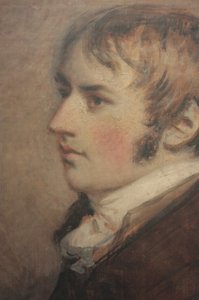
1776–1837, Ηνωμένο Βασίλειο
Τζον Κόνσταμπλ
A Life Rooted in the English Landscape John Constable, γεννημένος το 1776 στην ειδυλλιακή αγροτική κοινότητα του East Bergholt, δεν ήταν απλώς ένας ζωγράφος τοπίων – ήταν ένας ποιητής της γης, μεταφράζοντας τις λεπτές διακυμάνσεις και την ανθεκτική ομορφιά της με απεριόριστη συναισθηματική βάθος. Ο πατέρας του, ένας ευνοϊκός εμπότης σιταγών που κατείχε τόσο το Dedham Vale όσο και τις φαρδιές κατά μήκος του ποταμού Stour, δεν παρείχε μόνο οικονομική ασφάλεια αλλά και το ίδιο το θέμα ζωής που θα ορίζει την καλλιτεχνική του ζωή. Αυτή η πρώιμη εμβάπτιση στον αγροτικό κόσμο – ο αργός ρυθμός της γεωργικής ζωής, το διαρκώς μεταβαλλόμενο φως στα πεδίδια και τα νερά, οι λεπτομέρειες της φύσης – έχουν χαραχτεί αιώνια στην ευαισθησία του. Ενώ αρχικά ήταν προορισμένος να ακολουθήσει τον πατέρα του στα εμπορικά, μια αναδυόμενη πάθηση για την τέχνη, που καλλιεργήθηκε από τοπικούς χορηγούς όπως ο George Beaumont, ο οποίος τον έφερε σε επαφή με τα έργα του Claude Lorrain, κατεύθυνε τελικά τον ίδιο σε διαφορετικό δρόμο.
Σχετικά με τον Τζον Κόνσταμπλ Σημαντικά έργα του Τζον Κόνσταμπλ
Εργασίες του Τζον Κόνσταμπλ
 Το Χαρούμενο Φθινόπωρο1821
 Θέα του Καθεδρικού της Σάλσμμμπουρι από τους Κήπους του Επισκόπου1823
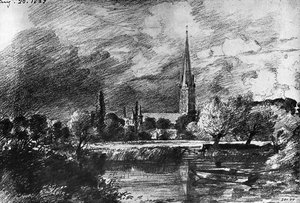 Καθεδρικός Ναός Σάλιςμπυ του Τζον Κόνσταντς
 Το Άγχανο (λεπτομέρεια)1821

Μελέτες γύρω από το East Bergholt
 The Language of Brushstrokes: How Texture and Technique Reveal the Soul of ArtDiscover the profound connection between texture and emotion in Impressionist art. Explore how masterful brushstrokes by Renoir and Monet c…
 25 Must-See Masterpieces at the Yale Center for British ArtExplore 25 iconic British masterpieces from Turner to Hogarth. Discover museum-quality art at OriginalUniqueArt.com.
 Mastering the English Landscape: The Top 25 Artworks by John ConstableImmerse yourself in the soul of the English countryside with our curated guide to John Constable's top 25 masterpieces. Explore the emotive…