Surrealism
Therese (Μπαλτύς)
Ο/Η Μπαλτύς (1908–2001) δημιούργησε το Therese. Ανήκει στο κίνημα Surrealism. Είναι φτιαγμένο σε Oil On Canvas.
- Oil On Canvas

 Προεπισκόπηση σε πραγματική κλίμακα

 Ελαιογραφικό Χειροποίητο Έργο
 Αποστολή
 Κοινοποίηση
 Πληροφοριακό φύλλο


 Λήψη
 Παρόμοια αντικείμενα συλλογής
 Ακτινογραφία
 Παρουσίαση
 Ερωτήσεις & Απαντήσεις

 Στατιστικά
Therese, εν συντομία
- Τίτλος
- Therese
- Καλλιτέχνης
- Μπαλτύς (1908–2001)
- Γεννημένος/η το
- Παρίσι, Γαλλία
- Μέσο
- Oil On Canvas
- Κίνηση
- Surrealism
- Εποχή
- Modern
- Θέμα
- woman, red jacket, chair, dining table, vase, interior
Τι απεικονίζει το Therese;
Identification of the Portrait by Balthus
Therese Dreaming is a work by the artist Balthus, also known as Balthasar Klossowski. Created in 1938, the painting focuses on a young girl positioned within a murky, interior setting. The subject is characterized by a puckered expression, appearing both dreamy and absent as she sits in a state of quiet contemplation.
The portrait captures a specific moment of introspection. The girl's posture and facial expression suggest a sense of detachment from her immediate surroundings. This psychological depth defines the subject's presence within the composition.
Composition and Visual Elements
The figure is positioned with hands clasped behind the head and elbows thrust outward, creating a taut, angular silhouette. A red skirt is gathered around the hips, revealing white underpants. This central arrangement is set within a murky room characterized by red-striped wallpaper and the presence of a crumpled sheet. The lighting and color palette emphasize a sense of stillness and isolation.
At the subject's feet, a cat licks from a shallow dish. The composition relies on a balance of stark, geometric lines and soft, organic forms. The use of red appears as a recurring motif, appearing in the wallpaper and the subject's clothing to anchor the viewer's eye within the shadowed interior. The spatial arrangement focuses on the tension between the girl's posture and the cluttered, dim environment.
Documented Interpretations and Debates
The work has been a focal point for intense debate regarding the representation of childhood. In 2017, a public petition was circulated requesting that the Metropolitan Museum of Art in New York remove the painting from its collection. This protest, which gathered nearly 12,000 signatures, argued that the imagery romanticizes the sexualization of a child. Critics raised concerns regarding the suggestive nature of the portrayal and its implications for contemporary audiences.
The Metropolitan Museum of Art refused to remove the work from display, maintaining its position despite the public outcry. Within the artist's broader oeuvre, the subject functions as a leitmotif, appearing repeatedly to explore the tension between innocence and impropriety. The painting remains a central example of the artist's interest in the psychological complexities of adolescence and the boundaries of social decorum.
Scientific Studies and Conservation
During a two-year restoration of the work, technical analysis provided significant insight into the artist's compositional evolution. The application of infrared reflectography allowed for a detailed examination of the underlying layers, revealing a drastic simplification of the final image compared to its initial conception.
These studies indicate that the composition underwent a substantial reduction in complexity. While the current surface presents a streamlined aesthetic, the original iteration depicted two female figures rendered in detailed clothing. Through subsequent revisions, the artist chose to strip away these intricate elements, instead reducing both the clothing and the upholstery to simplified, distinct zones of color.
Εικόνες υψηλής ανάλυσης του Therese
Protected by copyright: these files are for personal reference, not a licence to republish.
Μπαλτύς, Therese.
Ερωτήσεις για το Therese, απαντημένες
Με τι τεχνική έχει δημιουργηθεί το "Therese";
Περί τι αφορά το "Therese";
Τα θέματα του "Therese" είναι τα woman, red jacket, chair, dining table, vase, interior, long hair.
Το έργο "Therese" ανήκει στο δημόσιο περιουσιακό αγαθό;
Ποιος δημιούργησε το "Therese";
Σε ποιο καλλιτεχνικό ρεύμα ανήκει το "Therese" του Μπαλτύς;
Το έργο "Therese" του Μπαλτύς ανήκει στο δημόσιο περιουσιακό αγαθό και γιατί;
Πού τοποθετείται το "Therese" στο σύνολο του έργου του/της Μπαλτύς;
Πώς συνδέεται το θέμα του "Therese" με τα συνηθισμένα θέματα του Μπαλτύς;
Το έργο "Therese" απεικονίζει τα woman, red jacket, chair, dining table, vase, interior, long hair, ενώ τα αναγνωρίσιμα θέματα του Μπαλτύς είναι τα piero della francesca, simone martini, emily brontë, lewis carroll, exploration of adolescence, innocence and desire. Η σύγκριση των δύο αναδεικνύει τον τρόπο με τον οποίο το έργο συνδέεται με τα συνηθισμένα θέματα του καλλιτέχνη.
Σχετικά με τον καλλιτέχνη, Μπαλτύς

1908–2001, Γαλλία
Μπαλτύς
Βαλθός: Μια Ενigmατική Ψυχή της Τέχνης Ο Βαλθός, ή Βαλθάσαρ Κλοσόβσκι ντε Ρόλα, παραμένει μια από τις πιο συναρπαστικές και αντιφατικές προσωπικότητες της 20ής αιώνας στην τέχνη. Γεννήθηκε στο Παρίσι στις 29 Φεβρουαρίου 1908, σε μια οικογένεια βαθιά ριζωμένη στην πνευματική και καλλιτεχνική ζωή, η ζωή του χαρακτηρίζεται από την πρώιμη έκθεση στην κουλτούρα και την συνειδητή άρνηση των κυρίαρχων καλλιτεχνικών τάσεων. Ο πατέρας του, Έρικ Κλοσόβσκι, ήταν ένας σεβαστός ιστορικός τέχνης, ενώ η μητέρα του, Μπαλαδίνε Κλοσόβσκα, ήταν επίσης ζωγράφος, δημιουργώντας ένα περιβάλλον όπου η αισθητική σκέψη δεν ενθαρρύνονταν απλώς αλλά ζούσαν. Αυτή η καταγωγή εμφάνισε στον νεαρό Βαλθό μια βαθιά προσφορά για τους Μεγάλους Μάστερ και μια σκεπτικισμό προς τις αναδυόμενες avant-garde κινήσεις που κυριαρχούσαν στην παριζανή σκηνή.
Εργασίες του Μπαλτύς
 Η Οδός1933
 Κυρία με Γατάκι1937
 The Guitar Lesson1934
 La Patience (Solitaire)
Μελέτες γύρω από το Therese
 Masterpieces of Illusion: The Top 25 Works by Giuseppe ArcimboldoExplore 25 iconic works by Giuseppe Arcimboldo. Discover the genius of Mannerist portraiture. Explore the full collection on OriginalUnique…
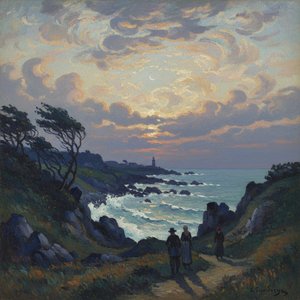 Ferdinand du Puigaudeau: Bridging Impressionism & Symbolism in Breton LandscapesDiscover Ferdinand du Puigaudeau's captivating Breton landscapes – a bridge between Impressionism & Symbolism. Explore his life, unique sty…