Expressionism · 1914
Hat Shop (Αουγκούστ Μάκε, 1914)
Ο/Η Αουγκούστ Μάκε (1887–1914) δημιούργησε το Hat Shop. Χρονολογείται στο 1914. Ανήκει στο κίνημα Expressionism. Είναι φτιαγμένο σε Acrylic On Canvas. Αποθηκεύεται στο Museum Folkwang στο Έσεν, Γερμανία.
- 1914
- Acrylic On Canvas
- Museum Folkwang, Έσεν

 Προεπισκόπηση σε πραγματική κλίμακα

 Ελαιογραφικό Χειροποίητο Έργο
 Αποστολή
 Κοινοποίηση
 Πληροφοριακό φύλλο


 Λήψη
 Παρόμοια αντικείμενα συλλογής
 Ακτινογραφία
 Παρουσίαση
 Ερωτήσεις & Απαντήσεις

 Στατιστικά
Hat Shop, εν συντομία
- Τίτλος
- Hat Shop
- Καλλιτέχνης
- Αουγκούστ Μάκε (1887–1914)
- Γεννημένος/η το
- Μέσεντε, Γερμανία
- Ημερομηνία
- 1914
- Μέσο
- Acrylic On Canvas
- Πού εκτίθεται
- Museum Folkwang, Έσεν, Γερμανία
- Κίνηση
- Expressionism
- Θέμα
- hat shop, urban scene, women, shopping, expressionism, bold colors
Τι απεικονίζει το Hat Shop;
A Glimpse of Urbanity: The Story Behind August Macke’s “Hat Shop”
August Macke's "Hat Shop" (1914) isn’t merely a depiction of a street scene; it’s a carefully constructed distillation of modern experience, rendered with the vibrant energy and emotional intensity characteristic of German Expressionism. Painted during a pivotal moment in Macke’s career – just months before his tragically early death – this work captures a fleeting moment of observation within the bustling heart of a city. It's a testament to his ability to imbue everyday life with profound symbolic weight, transforming a simple storefront into a microcosm of human interaction and contemplation.
Macke’s decision to focus on a hat shop wasn’t arbitrary. He was deeply fascinated by the transient nature of urban existence, the constant flow of people passing through public spaces. The shop window itself becomes a stage, presenting an anonymous woman – a figure deliberately devoid of individual features – as she pauses to observe the display within. This deliberate abstraction invites viewers to project their own experiences and emotions onto the scene, fostering a sense of shared contemplation.
Expressionist Techniques: Flattening Reality for Emotional Resonance
The painting’s style is undeniably Expressionist, a movement that prioritized subjective experience over objective representation. Macke employs a flattened perspective, compressing space and reducing forms to their essential shapes. The building facade, the hats themselves, and even the woman are rendered with bold, simplified lines – a deliberate rejection of traditional realism. This simplification isn’t an act of carelessness; it's a conscious choice to heighten the emotional impact of the work.
- Color Palette: Macke utilizes a striking, almost jarring color palette—a vibrant clash of reds, blues, yellows, and greens. These colors aren’t meant to mimic reality but rather to convey mood and emotion; the warm hues of the hats contrast sharply with the cooler tones of the building, creating a dynamic visual tension.
- Brushwork: The painting is characterized by broad, expressive brushstrokes that add texture and movement to the surface. This technique contributes to the overall sense of energy and immediacy.
- Geometric Forms: Angular lines dominate the composition, reinforcing the feeling of rigidity and formality while simultaneously hinting at underlying dynamism.
Symbolism in a Snapshot: Hats as Vessels of Meaning
The hats within the shop window are more than just accessories; they function as potent symbols. They represent status, fashion, perhaps even social barriers – elements that Macke frequently explored in his work. The anonymous woman’s posture suggests a moment of quiet contemplation, as if she is considering her own place within this complex urban landscape. The act of observing itself becomes significant, highlighting the human need to connect with and interpret the world around us.
A Legacy Preserved: Macke's “Hat Shop” Today
“Hat Shop” stands as a poignant reminder of August Macke’s brief but brilliant career. It exemplifies his ability to capture the essence of modern life through bold color, simplified forms, and emotionally charged symbolism. Reproductions of this iconic work offer a captivating glimpse into a pivotal moment in art history, inviting viewers to contemplate the beauty and complexity of everyday experience.
Σε ποιο μουσείο βρίσκεται το Hat Shop;
Museum Folkwang
Έσεν, Γερμανία
Origins and History of Museum Folkwang The history of Museum Folkwang begins with the convergence of two distinct legacies. In 1902, Karl Ernst Osthaus established the private Folkwang Museum, a collection driven by a specific vision for modern expression. This was later joined by the Essener Kunstmuseum, which had been founded in 1906.

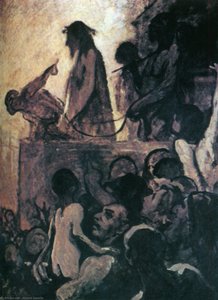

Εικόνες υψηλής ανάλυσης του Hat Shop

Δημόσιος τομέας: ο καλλιτέχνης απεβίωσε το 1914.
Άλλες διαστάσεις, καρέττες και αναφορά →Αουγκούστ Μάκε, Hat Shop (1914), Museum Folkwang. Δημόσιο περιουσιακό δικαίωμα
Ερωτήσεις για το Hat Shop, απαντημένες
Πού μπορώ να δω το πρωτότυπο "Hat Shop" του Αουγκούστ Μάκε;
Το έργο "Hat Shop" του Αουγκούστ Μάκε εκτίθεται στο Museum Folkwang, Έσεν, Γερμανία. Η αναφορά στο μουσείο αφορά το πρωτότυπο έργο και όχι αναπαραγωγές.
Πότε δημιουργήθηκε το "Hat Shop";
Το έργο "Hat Shop" χρονολογείται από το 1914. Η ημερομηνία αυτό το έργο το τοποθετεί μέσα στην καριέρα του/της Αουγκούστ Μάκε και την εποχή του/της.
Με ποιο υλικό έχει εκτελεστεί το έργο "Hat Shop" του Αουγκούστ Μάκε;
Το έργο "Hat Shop" εκτελέστηκε με τη χρήση του/της Acrylic On Canvas.
Τι απεικονίζει το "Hat Shop" του Αουγκούστ Μάκε;
Το έργο "Hat Shop" του Αουγκούστ Μάκε απεικονίζει: hat shop, urban scene, women, shopping, expressionism, bold colors, cityscape, fashion.
Μπορεί η εικόνα του έργου "Hat Shop" του Αουγκούστ Μάκε να αναπαραχθεί ελεύθερα;
Το έργο "Hat Shop" του Αουγκούστ Μάκε ανήκει στο δημόσιο κτήμα - τα δικαιώματα αυτορության έχουν λήξει. Η κατάσταση αυτή διέπει τον τρόπο με τον οποίο μπορεί να αναπαραχθεί η εικόνα του έργου.
Ποιον καλλιτέχνη αποδίδεται το "Hat Shop";
Το έργο "Hat Shop" δημιουργήθηκε από τον/την Αουγκούστ Μάκε. Οι πληροφορίες σε αυτή τη σελίδα περιγράφουν το πρωτότυπο έργο του/της Αουγκούστ Μάκε.
Προς ποιο καλλιτεχνικό ρεύμα ανήκει το έργο "Hat Shop" του Αουγκούστ Μάκε;
Το έργο "Hat Shop" ανήκει στο καλλιτεχνικό ρεύμα Expressionism, το οποίο ορίζει την καλλιτεχνική παράδοση στην οποία εντάσσεται.
Ποια φάση της καριέρας του Αουγκούστ Μάκε αντιπροσωπεύει το "Hat Shop";
Στο πλαίσιο της καριέρας του/της Αουγκούστ Μάκε, το έργο "Hat Shop" ανήκει στην περίοδο Mature Period. Αυτή η φάση διευκολύνει τη σύγκρισή του με άλλα έργα του/της καλλιτέχνη/της.
Πόσο είχε ηλικία ο/η Αουγκούστ Μάκε όταν δημιούργησε το "Hat Shop" το 1914;
Ο/Η Αουγκούστ Μάκε δημιούργησε το έργο "Hat Shop" στην ηλικία των 27 ετών. Ο/Η καλλιτέχνης γεννήθηκε το 1887 και το έργο χρονολογείται στο 1914.
Σχετικά με τον καλλιτέχνη, Αουγκούστ Μάκε
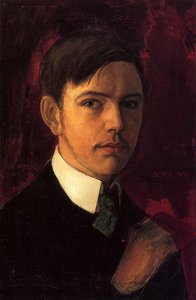
1887–1914, Γερμανία
Αουγκούστ Μάκε
Early Life, Family and Training The story of August Macke begins in the town of Meschede, Germany, where he was born on January 3, 1887. He was the only son born to August Friedrich Hermann Macke, a building contractor and amateur artist, and Maria Florentine. His childhood was shaped by the shifting fortunes of his father’s company, which brought the family to Cologne and later to Bonn. Even as a young boy, the pull of visual expression was evident; he spent his early years sketching and designing sets for school plays, finding a way to translate his surroundings onto paper long before he ever stepped into a formal academy.
Σχετικά με τον Αουγκούστ Μάκε Σημαντικά έργα του Αουγκούστ Μάκε
Εργασίες του Αουγκούστ Μάκε
 Η Γυναίκα με το Πράσινο Γιλέκο1913
 Βαθμωτές με τον τόπο στο υπόβαθρο1913
 Το Καταστημα Ηλιάτου1913
 Portrait of the Artist's Wife with Hat1909
Μελέτες γύρω από το Hat Shop
 James Abbott McNeill Whistler: Τα 25 Κορυφαία Έργα Τέχνης | OriginalUniqueArt.grΑνακαλύψτε τα 25 κορυφαία έργα τέχνης του James Abbott McNeill Whistler! Εξερευνήστε πίνακες, πορτρέτα & νυχτερινά τοπία που καθόρισαν τον …
 Συναισθηματική Μεταμόρφωση στην Εικαστική Τέχνη: Μια Μελέτη της Αισθητικής Αναπαράστασης μέσω του Χρώματος, της Φόρμας και της ΥφήςΕξερευνήστε πώς το χρώμα, η φόρμα και η υφή διαμορφώνουν τη συναισθηματική δύναμη της τέχνης. Εμβάθυνση στην αισθητική ανάλυση & ιστορία τη…
 August Macke: Expressionist Visions of Harmony & Modern LifeExplore the vibrant Expressionist paintings of August Macke (1887-1914). Discover his key role in Der Blaue Reiter, Fauvist influences, and…