Symbolism
La peste (Άρνολντ Μπέκλιν)
Το έργο La peste δημιούργησε ο/η Άρνολντ Μπέκλιν (1827–1901). Ανήκει στο κίνημα Symbolism. Είναι φτιαγμένο σε Oil On Canvas.
- Oil On Canvas

 Προεπισκόπηση σε πραγματική κλίμακα

 Ελαιογραφικό Χειροποίητο Έργο
 Αποστολή
 Κοινοποίηση
 Φύλλο πληροφοριών


 Λήψη
 Παρόμοια αντικείμενα συλλογής
 Ακτινογραφία
 Παρουσίαση
 Ερωτήσεις & Απαντήσεις

 Στατιστικά
La peste, εν συντομία
- Τίτλος
- La peste
- Καλλιτέχνης
- Άρνολντ Μπέκλιν (1827–1901)
- Γεννημένος/η το
- Βασιλεία, Ελβετία
- Μέσο
- Oil On Canvas
- Κίνηση
- Symbolism
- Εποχή
- 19th Century
- Θέμα
- monster, rider, buildings, dead bodies, sky, red cloth
Τι απεικονίζει το La peste;
The Shadow of Mortality
In this unsettling scene, we find ourselves witnessing a moment of profound, inevitable decay. A monstrous, winged creature, reminiscent of a bat, moves through the narrow streets of a medieval European city. Atop this beast sits a skeletal figure, a personification of death that moves with a terrifying, silent purpose. The atmosphere is heavy, thick with a hazy, yellow-grey light that suggests a world choked by sickness. There is a sense of chaos here, yet it is a quiet, suffocating kind of chaos. The buildings, with their rigid, angular lines, seem to press in on the viewer, creating a claustrophobic environment where escape feels impossible.
The color palette is deliberately somber, leaning heavily into the earthy tones of ochre, brown, and grey. However, there is a specific, unsettling use of pale green—a hue often associated with the physical reality of decomposition—that permeates the work. This sickly tint contrasts sharply with the single, startling shock of red found in the foreground. A woman lies there, her clothing a vivid crimson against the muted, dying world around her, a stark reminder of the human cost of the plague passing through the streets.
Symbolic Elements and Composition
The composition is structured with a certain architectural precision that heightens the sense of dread. The rider and the beast form a central, pyramidal apex that draws the eye upward and then forces it back down toward the suffering below. The artist uses several layers of visual language to communicate the theme of pestilence:
- The winged creature, acting as a vessel for the plague, disrupts the orderly geometry of the urban landscape.
- The use of atmospheric perspective, where the background fades into a murky haze, suggests an endless, spreading contagion.
- The fallen figures in the foreground and middle ground represent the victims, their forms partially obscured by shadow and the weight of the scene.
- The contrast between organic, irregular shapes of the monster and the rigid, rectangular shapes of the architecture emphasizes the unnatural intrusion of death into civilization.
The technique involves a careful layering of oil paints, creating a texture that feels both rough and weathered. In certain areas, the impasto is visible, giving the creature a visceral, tactile presence. This physical depth mirrors the psychological depth of the subject matter, where the veil between the physical world and a nightmare state feels dangerously thin.
The Weight of the Unseen
There is a profound stillness in the way the figures are arranged, despite the violence of the subject. It is a stillness born of hopelessness. The lighting is diffused and uneven, casting deep shadows that hide as much as they reveal. This lack of a clear light source contributes to the sense of mystery and the feeling that the plague is an unstoppable, elemental force rather than a mere biological event. The work captures a specific tension between the tangible reality of a city and the intangible, spectral presence of death, leaving the viewer with a lingering sense of unease that remains long after the first glance.
Εικόνες υψηλής ανάλυσης του La peste
Δημόσιος τομέας: ο καλλιτέχνης απεβίωσε το 1901.
Άρνολντ Μπέκλιν, La peste. Δημόσιο περιουσιακό δικαίωμα
Ερωτήσεις για το La peste, απαντημένες
Με ποιο υλικό έχει εκτελεστεί το έργο "La peste" του Άρνολντ Μπέκλιν;
Η τεχνική του έργου "La peste" του Άρνολντ Μπέκλιν είναι το Oil On Canvas. Οι αναπαραγωγές στοχεύουν στην πιστή απόδοση της εμφάνισης αυτής της τεχνικής.
Τι απεικονίζει το "La peste" του Άρνολντ Μπέκλιν;
Τα θέματα του "La peste" είναι τα monster, rider, buildings, dead bodies, sky, red cloth, cityscape.
Το έργο "La peste" του Άρνολντ Μπέκλιν ανήκει στο δημόσιο περιουσιακό αγαθό;
Όσον αφορά τα πνευματικά δικαιώματα, το "La peste" ανήκει στο στην ελεύθερη χρήση - τα δικαιώματα αυτορούς δικαίωσης έχουν λήξει.
Ποιος δημιούργησε το "La peste";
Το έργο "La peste" αποδίδεται στον/στην Άρνολντ Μπέκλιν.
Σε ποιο καλλιτεχνικό ρεύμα ανήκει το "La peste";
Το καλλιτεχνικό ρεύμα που συνδέεται με το "La peste" του Άρνολντ Μπέκλιν είναι το Symbolism. Αυτή η ταξινόμηση τοποθετεί το έργο ανάμεσα σε σχετικούς καλλιτέχνες και έργα τέχνης.
Ποια εποχή της καριέρας του/της Άρνολντ Μπέκλιν αντιπροσωπεύει το έργο "La peste";
Το έργο "La peste" ανήκει στην περίοδο Late Period της καριέρας του Άρνολντ Μπέκλιν. Αυτή η ταξινόμηση συνδέει το έργο με την εξέλιξη του καλλιτέχνη.
Το έργο "La peste" του Άρνολντ Μπέκλιν ανήκει στο δημόσιο περιουσιακό αγαθό και γιατί;
Το έργο "La peste" του Άρνολντ Μπέκλιν ανήκει στο στην ελεύθερη χρήση - τα δικαιώματα αυτορούς δικαίωσης έχουν λήξει. Η διάρκεια της προστασίας των πνευματικών δικαιωμάτων υπολογίζεται από το έτος θανάτου του καλλιτέχνη, ο οποίος συνέβη το 1901.
Πώς συνδέεται το "La peste" με το υπόλοιπο έργο του/της Άρνολντ Μπέκλιν;
Στο συνολικό έργο του/της Άρνολντ Μπέκλιν, το "La peste" εντάσσεται στο στυλ του/της Symbolism, συνδέοντας τα θέματα του/της symbolist movement, mythology and mortality, themes of death, war and pestilence, exploration of the subconscious.
Είναι το "La peste" τυπικό για όσα δημιουργούσε συνήθως ο/η Άρνολντ Μπέκλιν;
Τα επαναλαμβανόμενα θέματα του/της Άρνολντ Μπέκλιν περιλαμβάνουν το/την symbolist movement, mythology and mortality, themes of death, war and pestilence, exploration of the subconscious, ενώ το/η "La peste" εστιάζει στο/στην monster, rider, buildings, dead bodies, sky, red cloth, cityscape.
Σχετικά με τον καλλιτέχνη, Άρνολντ Μπέκλιν
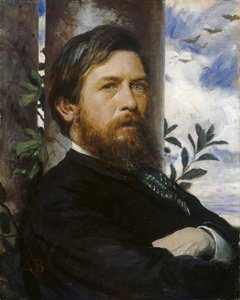
1827–1901, Ελβετία
Άρνολντ Μπέκλιν
Η Σκιά του Νησιού Η Βασιλεία της Ελβετίας αποτελεί το σημείο εκκίνησης για μια ζωή που χαρακτηρίστηκε από την ένταση μεταξύ του υφ tangible και του φαντασματικού. Γεννημένος στις 16 Οκτωβρίου του 1827 από τον Christian Frederick Böcklin και την Ursula Lippe, ο νεαρός καλλιτέχνης θα κινηθεί τελικά πέρα από το εμπόριο ηλίου του πατέρα του, για να εισέλθει στους αυστηρούς διαδρόμους της Ακαδημίας του Ντίσσελντορφ. Υπό την καθοδήγηση του Schirmer, άρχισε να απορροφά τη γλώσσα του τοπίου, μια δεξιότητα που θα χρησιμοποιηθεί αργότερα για να χαρτογραφήσει τη γεωγραφία της ανθρώπινης ψυχής. Δεν αποδίδεσε απλώς το τοπίο· δημιούργησε κόσμους όπου το κλασικό και το μακάβρο συγκρούονται.
Σχετικά με τον Άρνολντ Μπέκλιν Σημαντικά έργα του Άρνολντ Μπέκλιν
Εργασίες του Άρνολντ Μπέκλιν
 Το νησί των νεκρών (Πρώτη Έκδοση)1880
 Αυτοσυσκεπτό, με τον θάνατο να παίζει βιολί
 Arnold Böcklin1896
 Νησί των Νεκρών (Έκδοση 5)1886
Μελέτες για το La peste
 Beyond Reality: Unveiling the Enigmatic Depths of Metaphysical Art and its Philosophical EchoesExplore the profound mystery of Metaphysical Art. Delve into the philosophical depths of Giorgio de Chirico’s dreamscapes and discover how …
 25 Essential Works by Arnold Böcklin: A Journey Through Myth and SymbolismExplore 25 iconic Arnold Böcklin paintings and Symbolist works. Discover the full collection online at OriginalUniqueArt.com.
 Swiss artworks of the 1890sSwiss Symbolism in the 1890s features the iconic works of Félix Vallotton and Arnold Hodler. View the full collection online at OriginalUni…